
Author: Reverend Michael Johnson
-

What the Bible Says About Blasphemy: Definition and Consequences
In the Bible, blasphemy refers to the act of speaking disrespectfully or irreverently about God or sacred things, often manifesting as denial of God’s power or character. It is considered a serious sin, as illustrated in passages like Matthew 12:31-32, which speaks of the unforgivable nature of blaspheming the Holy Spirit. Scripture 10 Now an…
-

What the Bible Says About the Definition of Fear God in KJV
In the King James Version (KJV) of the Bible, “Fear God” refers to having a deep reverence, respect, and awe for God’s power and authority, acknowledging His holiness and justice. It implies obedience to His commandments and a recognition of His ultimate sovereignty over creation (Ecclesiastes 12:13, Proverbs 1:7). Scripture 7 The fear of the…
-
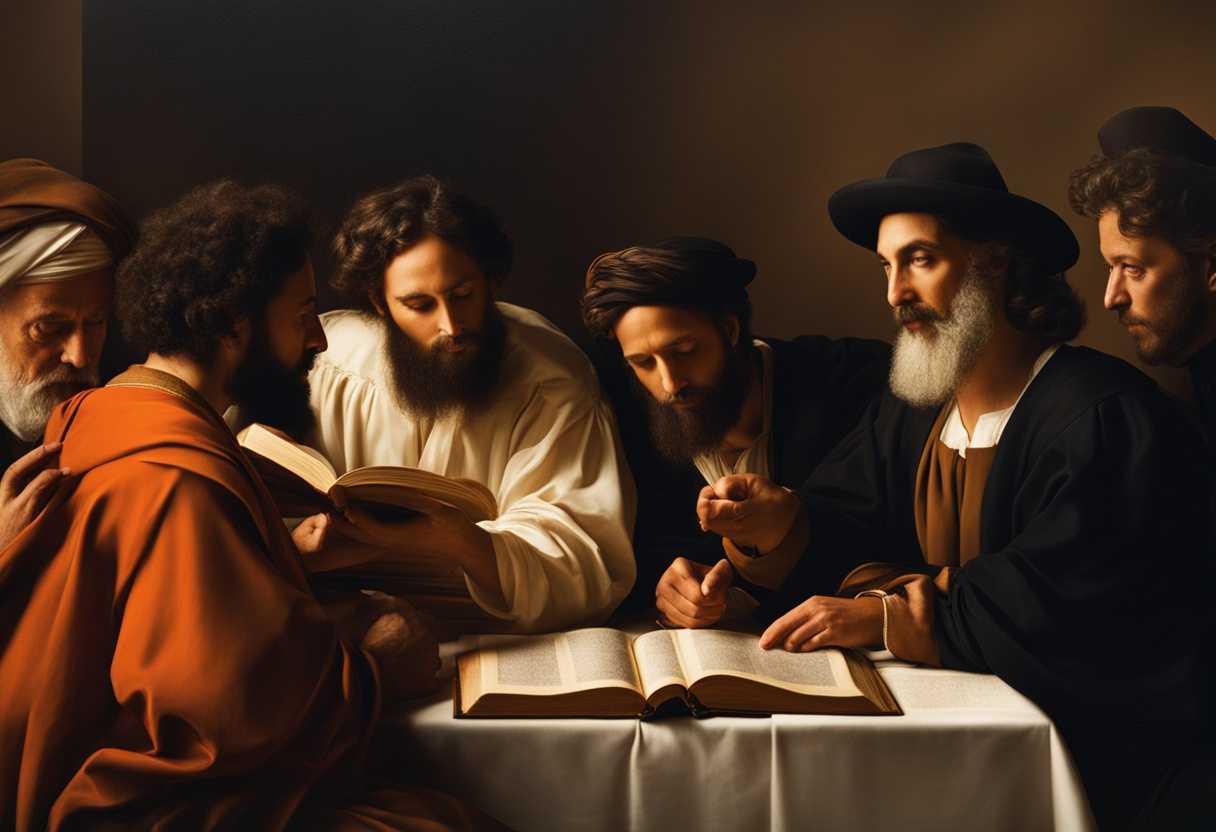
What the Bible Says About the “People of the Book”
In the Bible, the term “People of the Book” is commonly associated with Jews and Christians, who are seen as followers of the Scriptures (the Hebrew Bible and the New Testament). This concept emphasizes their shared foundation in holy texts and divine revelation, particularly in the context of interfaith relations. Scripture 1 “And now, O…
-

What the Bible Says About Being Irreprehensible
In the Bible, the term “irreprehensible” refers to being blameless or without fault, particularly in the context of moral or ethical conduct. It is often associated with the qualifications for church leadership, emphasizing the importance of integrity and uprightness in character (e.g., 1 Timothy 3:2). Scripture 1 The saying is trustworthy: If anyone aspires to…
-
What the Bible Says About the Meaning of Fishermen
In the Bible, fishermen symbolize the call to discipleship and evangelism, as seen in Jesus calling His first disciples—fishermen—who would become “fishers of men” (Matthew 4:19). Their trade represents the gathering of souls and the spread of the Gospel, emphasizing the importance of faith and the transformative power of following Christ. Scripture 18 While walking…
-

What the Bible Says About Gentiles: Understanding Their Role in Scripture
In the Bible, a Gentile refers to a person who is not part of the Jewish nation or faith; it denotes any non-Jewish individual. The term often highlights differences in religious practices and beliefs between Jews and other nations. Scripture 1 These are the generations of the sons of Noah, Shem, Ham, and Japheth. Sons…
-

What the Bible Says About the Role of an Apologist
In the Bible, an apologist is a defender of the faith who provides rational justification for Christian beliefs, as seen in passages like 1 Peter 3:15, which encourages believers to be prepared to give an answer for their hope in Christ. The role involves both explaining and defending the gospel against objections and misunderstandings. Scripture…
-

What the Bible Says About the Days of the Week
In the Bible, the days of the week are significant primarily through the account of Creation in Genesis 1, where God created the world in six days and rested on the seventh, establishing the Sabbath as a holy day of rest. Additionally, the rhythm of work and rest reflects God’s design for human life and…
-

What the Bible Says About the Definition of a Plea
In the Bible, a “plea” refers to an earnest request or appeal for help, often in a context of prayer or supplication, as seen in various Psalms where individuals cry out to God for mercy and intervention. It signifies a deep sense of urgency and dependence on divine support in times of distress. Scripture 1…
-

What the Bible Says About Denominational Definitions
In a biblical context, a “denomination” refers to a recognized branch or subset of Christianity that shares specific beliefs, practices, and doctrinal interpretations. It represents a distinct identity within the broader Christian faith, often organized around particular theological principles or traditions. Scripture 10 I appeal to you, brothers, by the name of our Lord Jesus…