
Author: Reverend Michael Johnson
-

What the Bible Says About the Significance of Lebanon
In the Biblical context, Lebanon is significant for its majestic cedar trees, which were highly valued for building materials, notably used in the construction of Solomon’s Temple (1 Kings 6:15). Additionally, Lebanon symbolizes strength and beauty, often referenced in poetry and metaphor throughout the scriptures (Song of Solomon 4:15). Scripture 25 Please let me go…
-
What the Bible Says About the Ontology of Demons
In the Bible, demons are often seen as fallen angels or malevolent spiritual beings that oppose God and seek to influence or possess humans for evil purposes (Matthew 12:24-27; James 2:19). They are characterized by their deceitfulness, power to cause suffering, and desire to lead people away from God (Mark 5:1-20; Ephesians 6:12). Scripture 28…
-
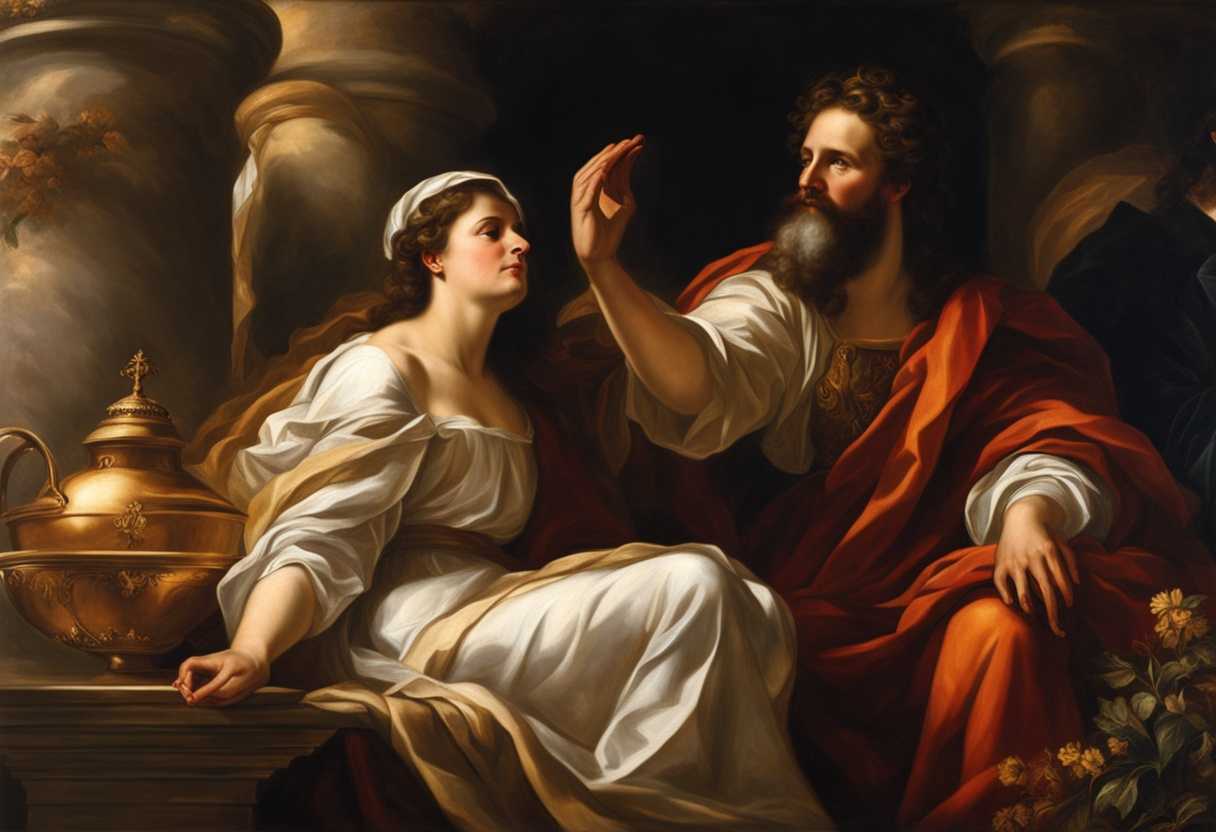
What the Bible Says About Sarepta: Meaning and Significance
Sarepta, also known as Zarephath, is a city mentioned in the Bible, particularly in 1 Kings 17, as the location where the prophet Elijah encountered a widow during a time of drought and famine. It symbolizes divine provision and faith, as the widow was miraculously sustained through her obedience to Elijah’s request for food. Scripture…
-

What the Bible Says About the Meaning of Sorek
In the Bible, Sorek is a valley mentioned in Judges 16:4 as the place where Samson fell in love with Delilah. It is often associated with vineyards, as “Sorek” translates to “a vine” or “a vineyard,” symbolizing fertility and abundance. Scripture 4 After this he loved a woman in the Valley of Sorek, whose name…
-

What the Bible Says About the Definition of Blessed
In the Amplified Bible, “blessed” typically refers to a state of favor and happiness bestowed by God, often indicating spiritual well-being and prosperity. It conveys not only material blessings but also a deep sense of joy and fulfillment in a person’s relationship with God. Scripture 1 Now the Lord said to Abram, “Go from your…
-
What the Bible Says About the Significance of Lebanon
In the Biblical context, Lebanon is significant for its majestic cedar trees, which were highly valued for building materials, notably used in the construction of Solomon’s Temple (1 Kings 6:15). Additionally, Lebanon symbolizes strength and beauty, often referenced in poetry and metaphor throughout the scriptures (Song of Solomon 4:15). Scripture 25 Please let me go…
-
What the Bible Says About the City of Tyre: Its Meaning and Significance
In the Bible, the City of Tyre is often depicted as a prosperous and powerful Phoenician city known for its trade and wealth, symbolizing both the allure of worldly success and eventual divine judgment for its pride and idolatry (Ezekiel 26-28). Tyre is also significant in biblical prophecy, representing the fate of nations opposed to…
-

What the Bible Says About the Meaning of Keilah
In the Bible, Keilah is a city located in the territory of Judah, mentioned in 1 Samuel 23:1-5, where David sought refuge from Saul and protected the city from the Philistines. The name Keilah is often associated with the meaning “fortress” or “city of the strong.” Scripture 6 When Abiathar the son of Ahimelech had…
-

What the Bible Says About the Afterlife: Understanding Its Meaning
In the Bible, the afterlife refers to the existence that follows physical death, where individuals are rewarded or punished based on their faith and deeds during their earthly life. It encompasses concepts of resurrection, eternal life in heaven for believers, and separation from God, often depicted as hell, for those who reject Him. Scripture 1…
-

What the Bible Says About Pasch: Understanding Its Definition and Significance
“Pasch” refers to the Passover, a significant Jewish feast commemorating the Israelites’ liberation from slavery in Egypt, marked by the sacrifice of a lamb and the blood placed on doorposts (Exodus 12:13). In Christian theology, it signifies Christ as the Paschal Lamb, whose sacrifice brings salvation and eternal life (John 1:29). Scripture 1 The Lord…