
Category: Places and Locations
-

What the Bible Says About the Meaning of Canaan
In the Bible, Canaan refers to the land promised by God to the descendants of Abraham, Isaac, and Jacob, which includes modern-day Israel and surrounding areas. It symbolizes a place of divine blessing and fulfillment of God’s covenant with His people. Scripture 18 The sons of Noah who went forth from the ark were Shem,…
-
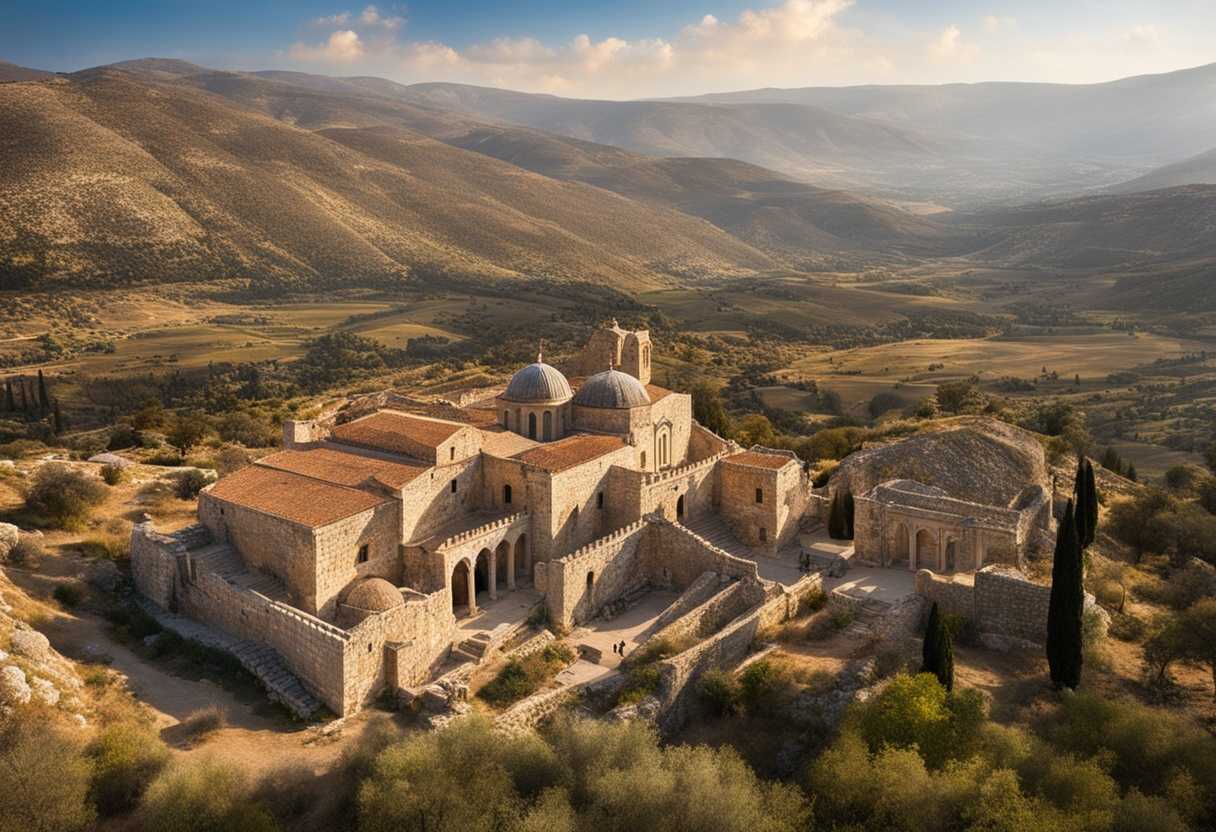
What the Bible Says About the Meaning of Samaria
In the Bible, Samaria refers to both a region and its capital city in ancient Israel, known for its significant role in the history of the northern kingdom. It symbolizes division and conflict, especially between the Israelites and the Samaritans, as well as the site of idol worship and foreign influences that often led the…
-

What the Bible Says About the Meaning of Cana
Cana, in the Bible, is a village in Galilee known for the wedding feast where Jesus performed his first miracle of turning water into wine (John 2:1-11). The name “Cana” can also be associated with the concept of zeal and from Hebrew means “a place of reeds.” Scripture 1 On the third day there was…
-
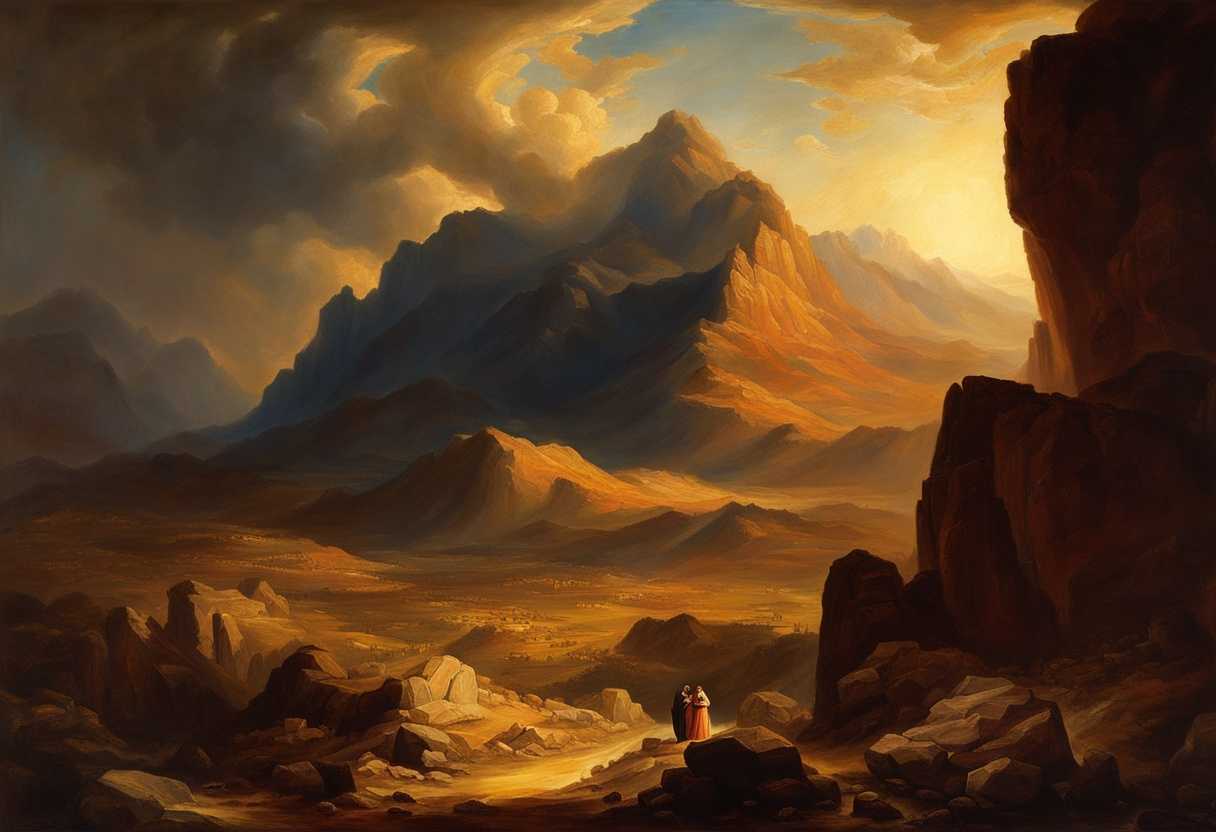
What the Bible Says About the Meaning of Mount Sinai
Mount Sinai is the biblical mountain where Moses received the Ten Commandments from God, symbolizing the covenant between God and the Israelites. It represents a place of divine revelation and guidance in the Hebrew Bible, particularly in the Book of Exodus. Scripture 1 On the third new moon after the people of Israel had gone…
-

What the Bible Says About the Meaning of Hermon
In the Bible, Hermon refers to Mount Hermon, a prominent mountain located in the region of Syria and Lebanon, often associated with divine revelation and the transfiguration of Jesus in the New Testament. The name Hermon comes from the Hebrew word meaning “sacred” or “holy,” reflecting its significance in biblical narratives. Scripture 8 So we…
-

What the Bible Says About Syria: Understanding Its Meaning and Significance
In the Bible, Syria often refers to the region of Aram, inhabited by the Arameans, and is frequently mentioned in contexts of conflict and interaction with Israel. It symbolizes both a geographical location and a representation of nations opposing or interacting with God’s people throughout biblical narratives. Scripture 5 Naaman, commander of the army of…
-

What the Bible Says About the Meaning of Teman
In the Bible, “Teman” refers to a region in Edom, commonly associated with wisdom and might, as seen in Jeremiah 49:7. It is often mentioned as a place of geographical and cultural significance in the context of the descendants of Esau. Scripture 11 The sons of Eliphaz were Teman, Omar, Zepho, Gatam, and Kenaz. 12…
-

What the Bible Says About the Meaning of Gadara
Gadara, in the Bible, refers to a city located in the region of the Gerasenes, east of the Sea of Galilee. It is notably mentioned in the context of the healing of the demon-possessed man in Mark 5:1-20, where Jesus casts out demons, allowing them to enter a herd of pigs. Scripture 28 And when…
-
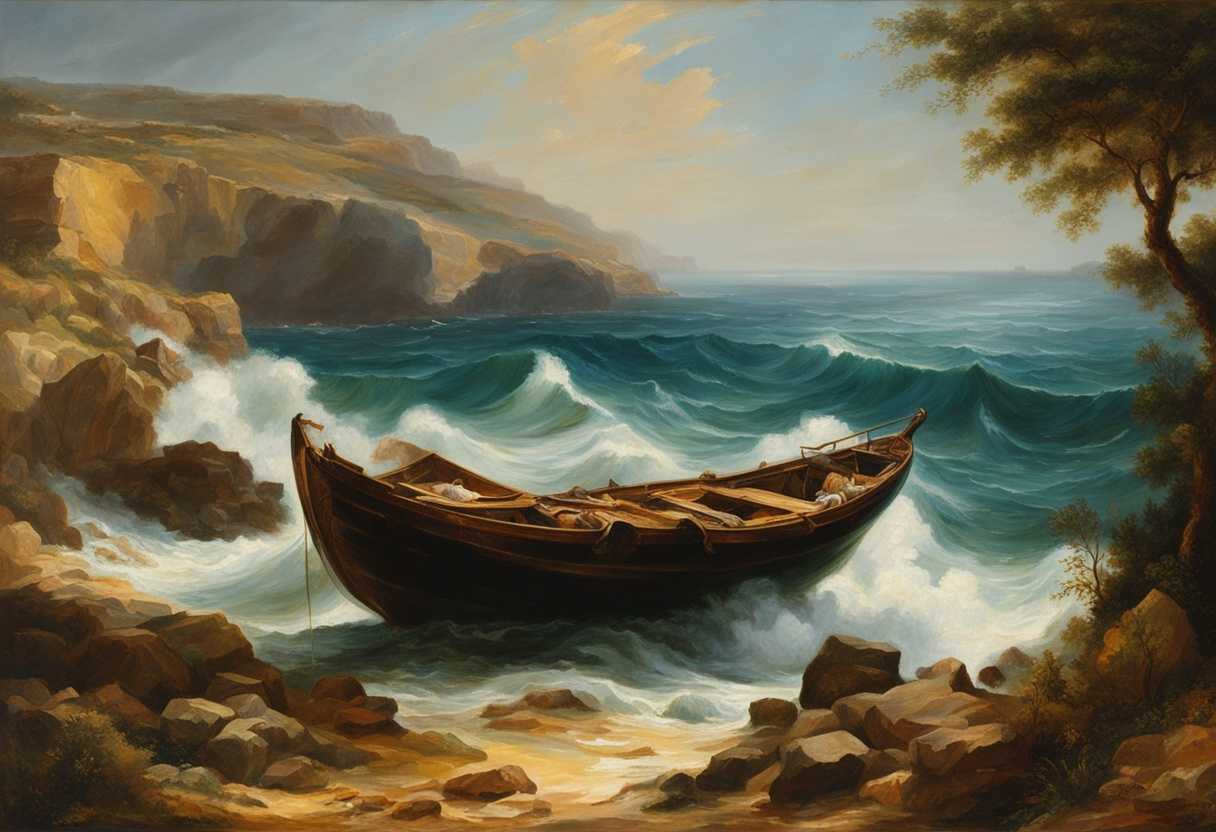
What the Bible Says About the Meaning of Melita
In the Bible, Melita refers to the island of Malta, where the Apostle Paul was shipwrecked during his journey to Rome (Acts 27:39-44; Acts 28:1-10). The name Melita is thought to mean “honey-sweet” or “honeyed,” reflecting the island’s fertile and pleasant environment. Scripture 1 After we were brought safely through, we then learned that the…
-

What the Bible Says About the Meaning of Shunem
Shunem is a village mentioned in the Bible, located in the territory of Issachar. It is notably associated with the Shunammite woman who provided hospitality to the prophet Elisha, as described in 2 Kings 4:8-37, and is recognized as a site of significant biblical events. Scripture 3 Now Samuel had died, and all Israel had…