
Category: Places and Locations
-

What the Bible Says About the Meaning of Topheth
Topheth is described in the Bible as a place in the Valley of Hinnom associated with idolatrous practices, notably child sacrifice to the god Molech (Jeremiah 7:31). It symbolizes a site of deep moral and spiritual corruption, representing the consequences of turning away from God. Scripture 10 And he defiled Topheth, which is in the…
-

What the Bible Says About the Israelites: A Journey Through the Scriptures
The books of the Bible that primarily focus on the Israelites include Exodus, which details their liberation from Egypt; Leviticus, which provides laws for their community; Numbers, which chronicles their journey in the wilderness; and Deuteronomy, which reiterates the law as they prepare to enter the Promised Land. Other historical books, such as Joshua and…
-

What the Bible Says About Courts: Understanding Its Meaning
In the Bible, “courts” often refer to the enclosed areas surrounding the Tabernacle or Temples where worship and sacrifices were conducted, serving as spaces for communal worship and interaction with God (e.g., Psalm 100:4). It symbolizes a place of access to God’s presence and communal gathering among believers. Scripture 11 Then David gave Solomon his…
-

What the Bible Says About Caesarea: Meaning and Significance
Caesarea in the Bible refers to a coastal city in ancient Judea, significant for its Roman administration and as a center for early Christianity. It is notably mentioned as the place where the Apostle Peter baptized Cornelius, the first Gentile convert, and where Paul was imprisoned before his journey to Rome (Acts 10, Acts 23:33-35).…
-

What the Bible Says About the Meaning of Ephrata
In the Bible, Ephrata is a place name that means “fruitful” or “fertile.” It is notably mentioned in connection with Bethlehem, which is often referred to as “Bethlehem Ephratah” in Micah 5:2, indicating its significance as the birthplace of King David and, in Christian belief, Jesus Christ. Scripture 16 Then they journeyed from Bethel. When…
-

What the Bible Says About the Meaning of Holy Hill
In the Bible, “Holy Hill” often refers to a sacred or elevated place chosen by God for worship and communion, most notably associated with Mount Zion in Jerusalem. It symbolizes God’s presence and the sanctity of places where believers gather to seek Him. Scripture 6 As for me, I have set my King on Zion,…
-

What the Bible Says About the Meaning of Megiddo
In the Bible, Megiddo is a significant ancient city located in Israel, known for its strategic military importance and its mention in prophetic literature. It is often associated with the final battle in the Book of Revelation, referred to as Armageddon, symbolizing the ultimate confrontation between good and evil. Scripture 19 “The kings came, they…
-
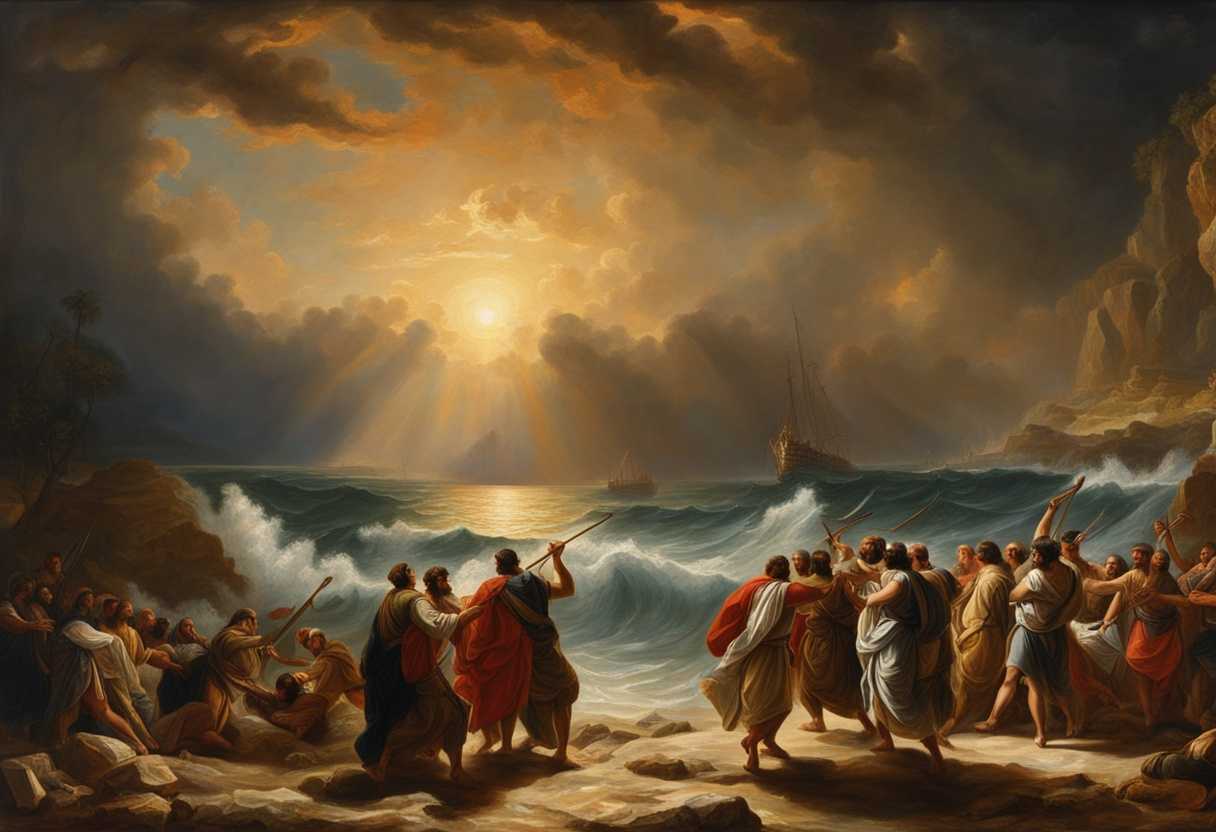
What the Bible Says About the Meaning of Pi Hahiroth
Pi Hahiroth is a location mentioned in the Bible, specifically in Exodus 14:2, as part of the route taken by the Israelites during their escape from Egypt. Its name means “the mouth of the gorges,” and it is noted for being near the Red Sea, where the Israelites faced the pursuing Egyptian army. Scripture 14…
-

What the Bible Says About the Meaning of the Royal Court
In the Bible, the royal court refers to the assembly of officials and advisers surrounding a king or ruler, often responsible for governance and the administration of justice. It symbolizes authority, power, and the execution of divine will in both earthly and spiritual matters, as seen in the courts of kings like David and Solomon.…
-

What the Bible Says About the Spiritual Meaning of Places
The spiritual significance of biblical locations often reflects their roles in divine encounters, pivotal events, or spiritual teachings, serving as tangible reminders of God’s presence and promises. For example, places like Jerusalem represent spiritual connection and worship, while others like Mount Sinai symbolize revelation and covenant. Scripture 10 Jacob left Beersheba and went toward Haran.…