
Category: Places and Locations
-

What the Bible Says About Gilgal: Definition and Significance
Gilgal means “to roll” in Hebrew, symbolizing the rolling away of the reproach of Egypt from the Israelites (Joshua 5:9). It served as a significant campsite for the Israelites during their conquest of Canaan and is associated with major events such as the first Passover in the Promised Land and the establishing of a memorial…
-

What the Bible Says About Gethsemane: Understanding Its Meaning and Significance
Gethsemane, in the Bible, refers to the garden where Jesus prayed and experienced deep anguish before his crucifixion (Matthew 26:36-46). The name itself means “oil press,” symbolizing the weight of the suffering and the preparation for the events to come. Scripture 36 Then Jesus went with them to a place called Gethsemane, and he said…
-

What the Bible Says About the Meaning of Capernaum
Capernaum is a biblical town located on the northern shore of the Sea of Galilee, significant for being the home of the Apostle Peter and the site of many of Jesus’ miracles and teachings. Its name means “village of Nahum” in Hebrew, reflecting its historical and cultural context. Scripture 23 And he went throughout all…
-

What the Bible Says About the Valley of Baca: Understanding Its Meaning
The Valley of Baca, mentioned in Psalm 84:6, symbolizes a place of mourning or trouble, representing the hardships and challenges that believers may encounter. Yet, it is also a place where spiritual transformation and divine blessings can occur, as those who pass through it are promised to find strength and refreshment. Scripture 5 Blessed are…
-

What the Bible Says About the Hittites: Understanding Their Meaning and Significance
The Hittites in the Bible refer to an ancient group of people often associated with the land of Canaan, known for their strong military capabilities and significant role in the early history of Israel. They are mentioned as one of the nations that the Israelites encountered and sometimes interacted with during their conquest of the…
-

What the Bible Says About the Meaning of Tabor
In the Bible, Tabor refers to Mount Tabor, a prominent mountain in Israel mentioned in the context of battles and revelations, particularly as the site of the victory of Barak and Deborah over Sisera (Judges 4). It symbolizes divine intervention and strength, as well as serving as a backdrop for significant events in Israel’s history.…
-
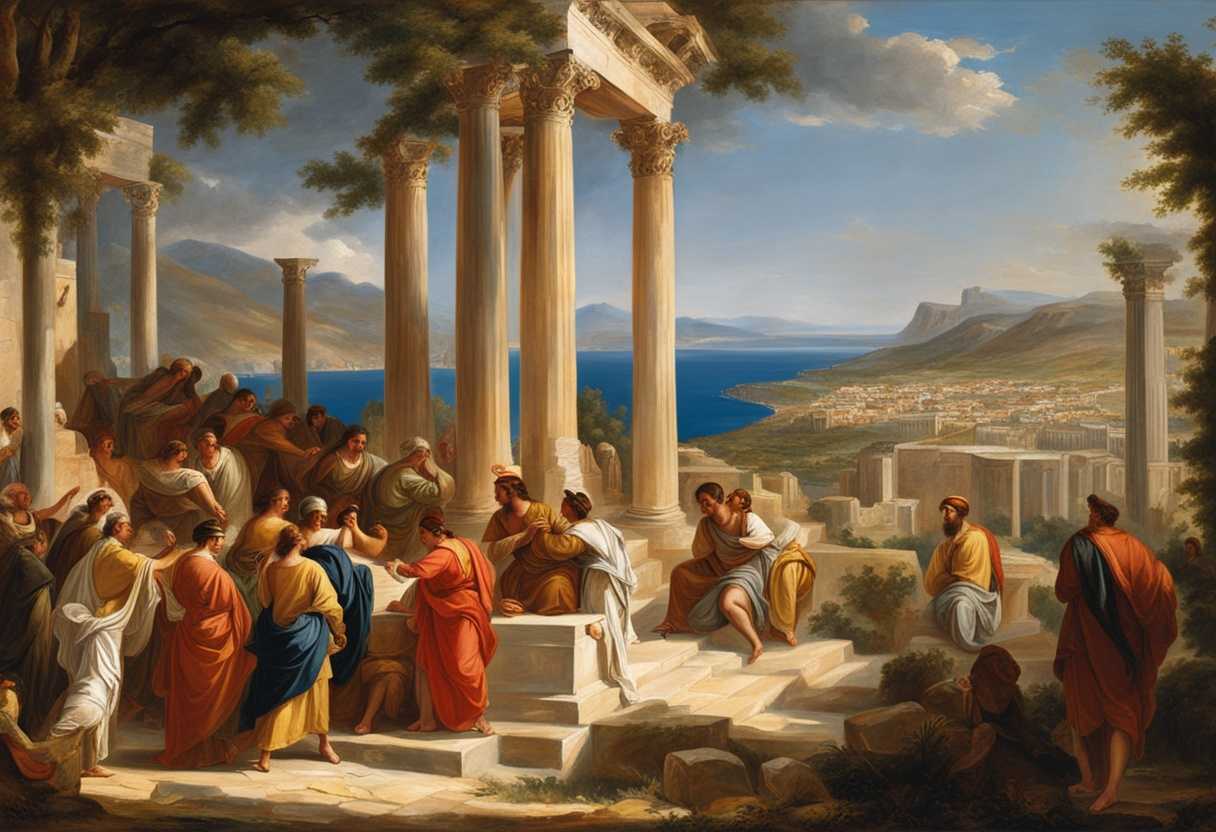
What the Bible Says About Achaia: Meaning and Significance
Achaia refers to a region in southern Greece, often mentioned in the New Testament as a significant area for early Christian missions. It was home to several important cities, including Corinth, and is noted for being a place where the Apostle Paul preached and established churches. Scripture 12 But when Gallio was proconsul of Achaia,…
-
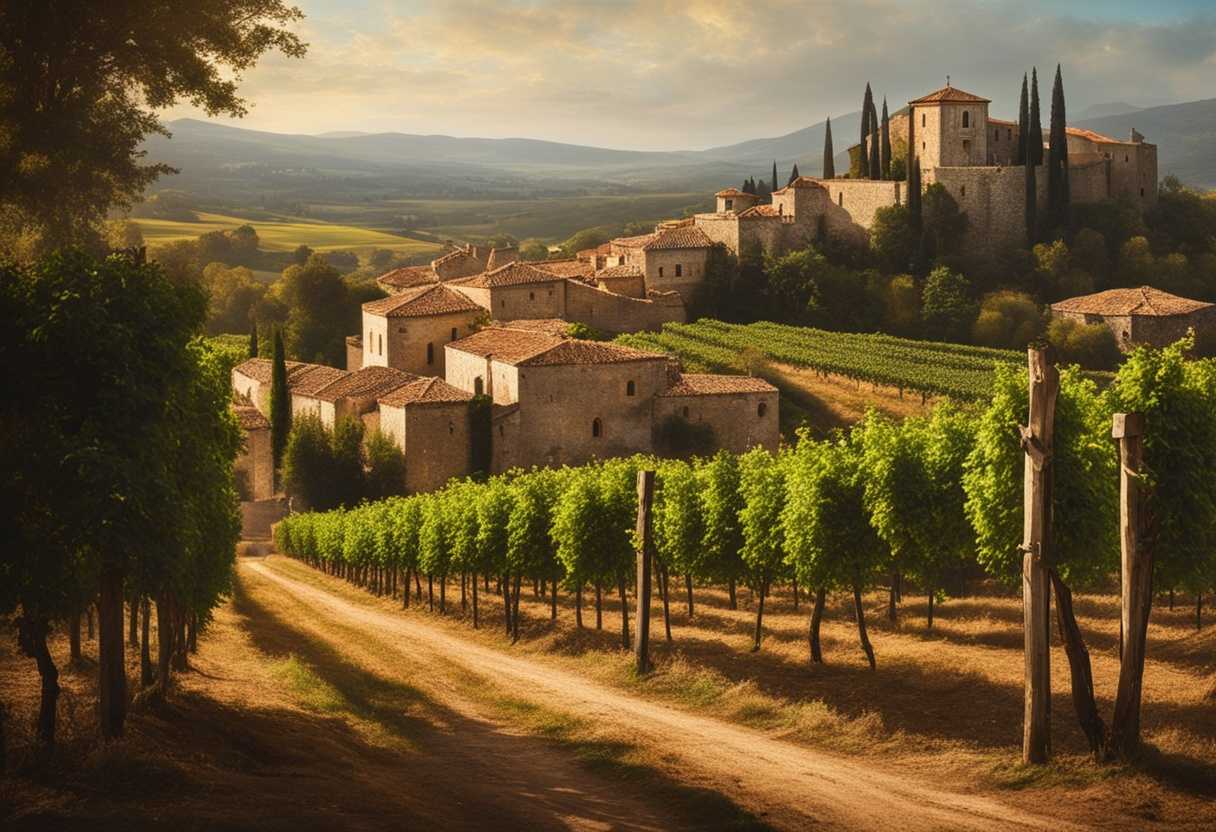
What the Bible Says About the Meaning of Gath
Gath, in the Bible, is one of the five prominent cities of the Philistines and is known as the home of Goliath, the giant defeated by David. The name “Gath” means “wine press,” reflecting its agricultural significance. Scripture 1 After this David defeated the Philistines and subdued them, and he took Gath and its villages…
-
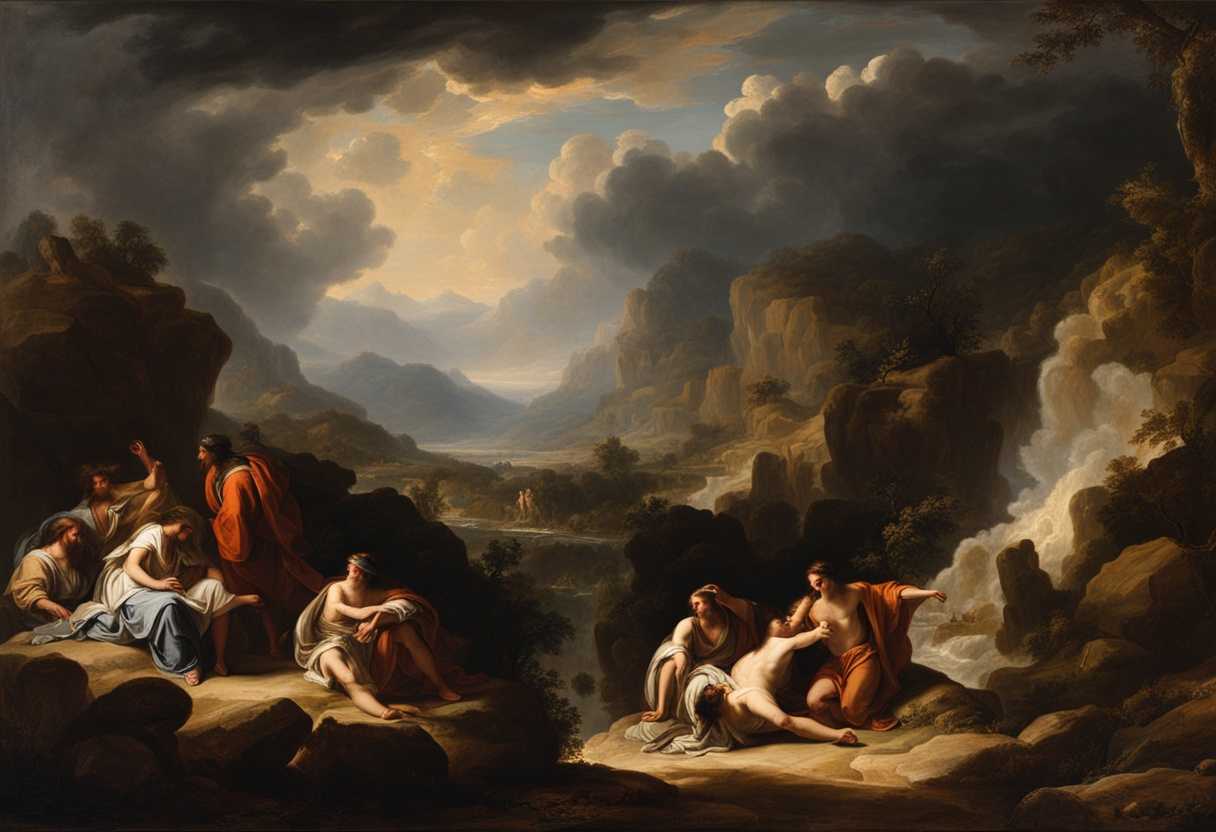
What the Bible Says About the Meaning of Meribah
Meribah, meaning “strife” or “quarreling,” refers to the location where the Israelites contested with Moses and God over water and expressed their discontent (Exodus 17:1-7; Numbers 20:1-13). It is significant for representing a moment of rebellion and lack of faith among the Israelites during their journey in the wilderness. Scripture 1 All the congregation of…
-

What the Bible Says About the Meaning of Slime Pits
In the Bible, slime pits refer to pits containing bitumen or asphalt, primarily mentioned in Genesis 14:10 during the account of the battle of the kings in the Valley of Siddim. These pits symbolize places of danger and entrapment, indicating both a physical hazard and a representation of the pitfalls of sin. Scripture 1 In…