
Category: Places and Locations
-
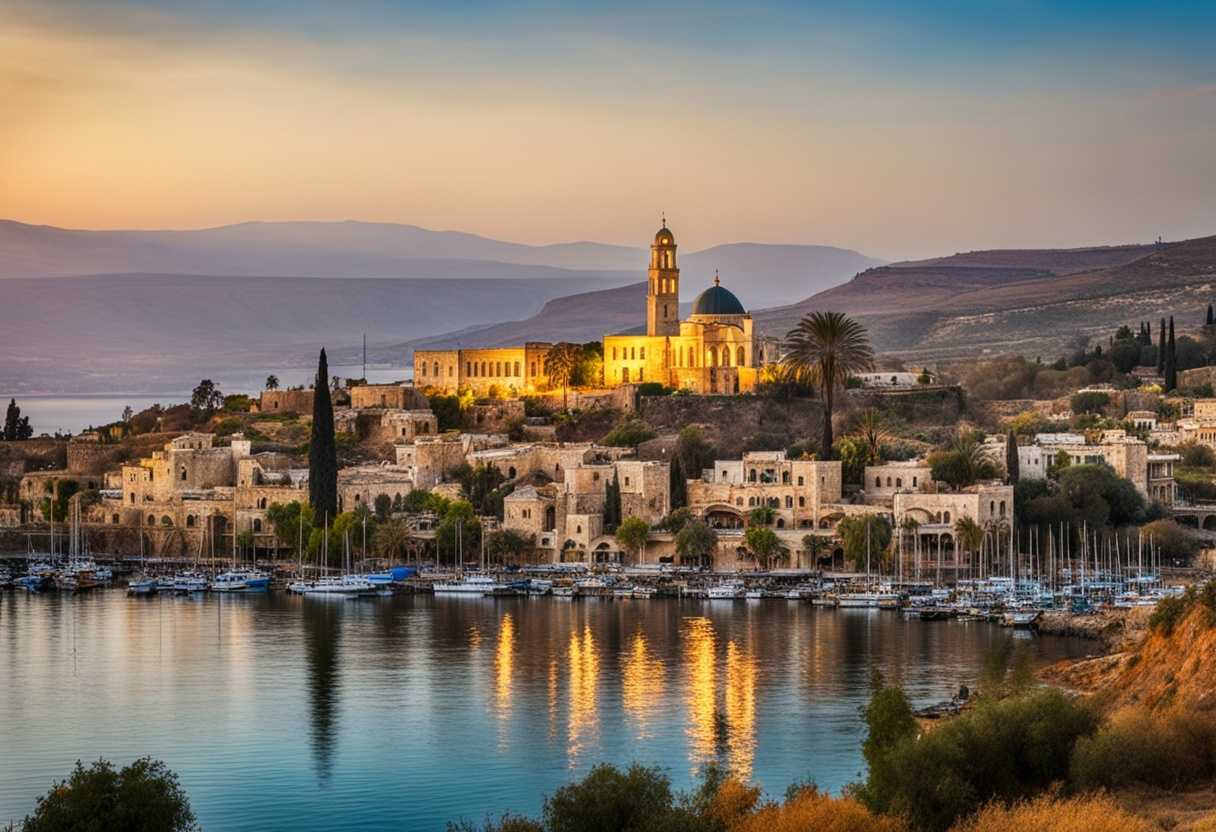
What the Bible Says About Tiberias: Its Meaning and Significance
Tiberias is a city mentioned in the New Testament, notably as a location near the Sea of Galilee (John 6:1). It was known as a center of Jewish learning and culture during the time of Jesus, reflecting the intersection of Jewish and Roman influences in the region. Scripture 1 After this Jesus went away to…
-

What the Bible Says About the Assyrians: A Historical Perspective
In the Bible, the Assyrians are often depicted as a powerful and aggressive empire known for their conquests and exile of the Israelites, particularly during the 8th century BC. They are frequently mentioned in connection with prophetic warnings and judgments, as seen in books like Isaiah and Nahum, highlighting their role in God’s plans for…
-

What the Bible Says About Euroclydon: Understanding the Storm in Acts 27
Euroclydon refers to a violent, tempestuous wind mentioned in Acts 27:14 in the New Testament. It is a term for a strong northeast wind that caused a severe storm during the Apostle Paul’s journey to Rome. Scripture 13 Now when the south wind blew gently, supposing that they had obtained their purpose, they weighed anchor…
-
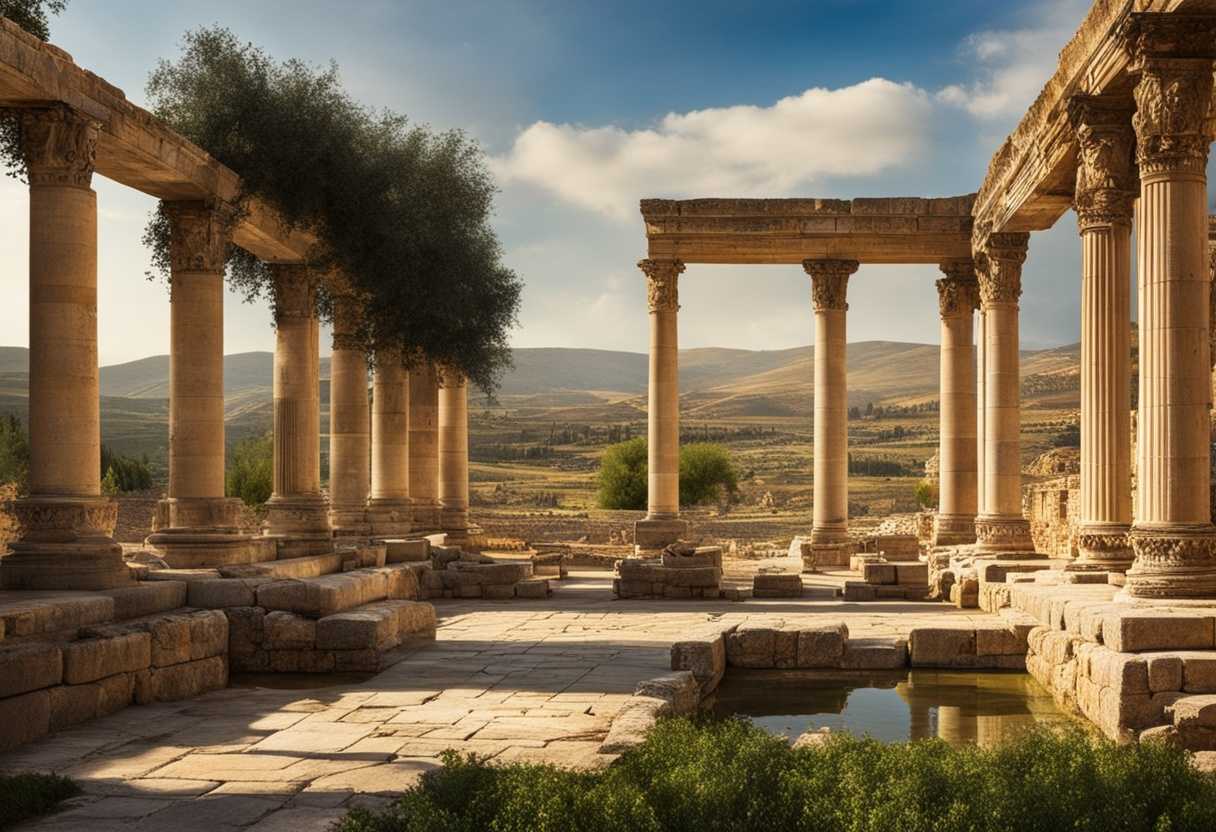
What the Bible Says About the Meaning of Beit Shean
Beit Shean, also known as Bethshan, is a biblical city mentioned in the Old Testament, located in the Jordan Valley near the Jordan River. It served as a significant site for trade and defense, and is noted as the place where the Philistines hung the bodies of Saul and his sons (1 Samuel 31:10-12). Scripture…
-

What the Bible Says About the Definition of Eden
In the Bible, Eden refers to the paradise described in the Book of Genesis, where God placed the first humans, Adam and Eve. It symbolizes a state of innocence, harmony, and a close relationship with God before the fall into sin. Scripture 8 And the Lord God planted a garden in Eden, in the east,…
-
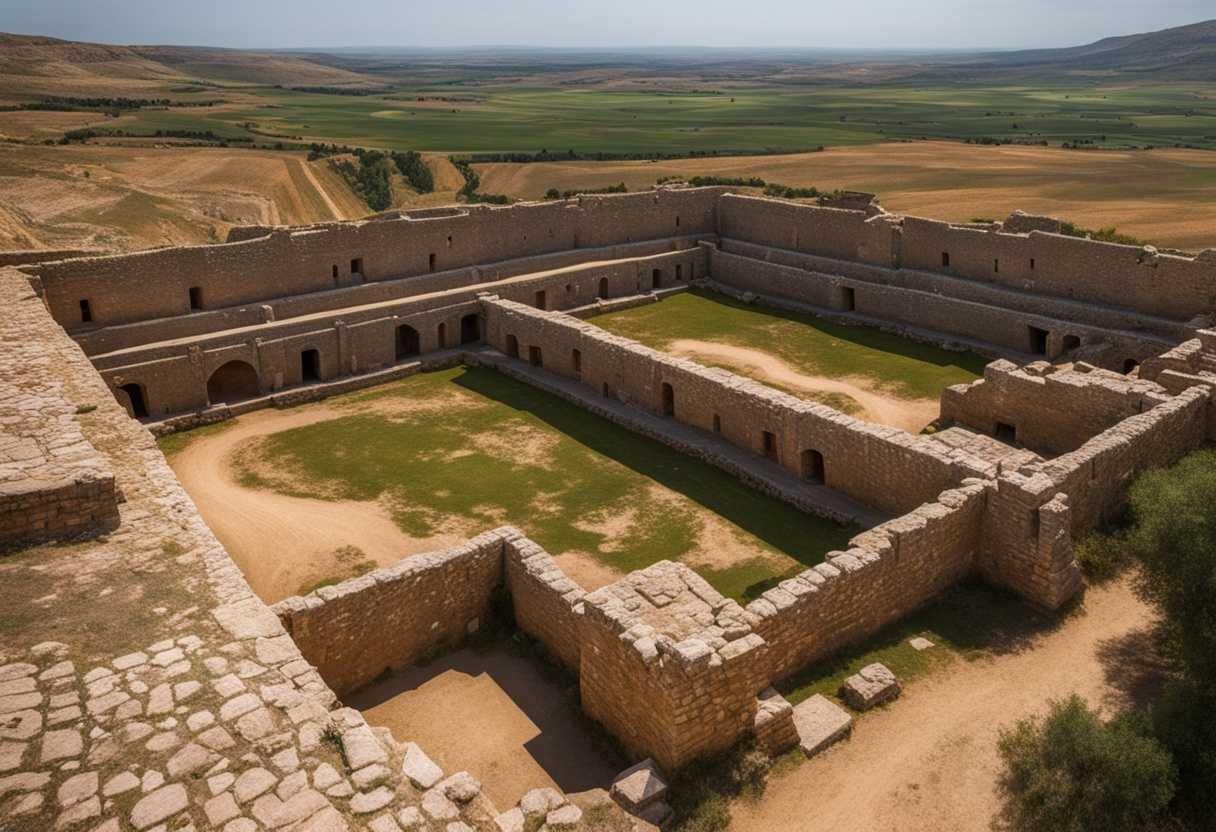
What the Bible Says About the Meaning of Hazor
Hazor, in the Bible, is an ancient city mentioned as a significant Canaanite stronghold in the Book of Joshua, particularly known for its destruction by Joshua during the Israelite conquests (Joshua 11:10-11). The name “Hazor” means “enclosure” or “fortress,” highlighting its role as a fortified city in the ancient Near East. Scripture 1 When Jabin,…
-

What the Bible Says About the Meaning of Laos
In the Bible, “Laos” refers to the concept of the people or the congregation, often used to describe the collective body of believers or the faithful. It derives from the Greek word meaning “people” and is commonly associated with God’s chosen people or the community of faith. Scripture 14 “And to the angel of the…
-

What the Bible Says About Pergamos: Understanding Its Meaning and Significance
Pergamos, mentioned in Revelation 2:12-17, refers to one of the seven churches of Asia Minor, symbolizing a place of mixed beliefs and compromise with pagan practices among its Christian community. The name can mean “elevation” or “height,” reflecting its historical status as a cultural and religious center. Scripture 12 “And to the angel of the…
-

What the Bible Says About the City of Tyre: Its Meaning and Significance
In the Bible, the City of Tyre is often depicted as a prosperous and powerful Phoenician city known for its trade and wealth, symbolizing both the allure of worldly success and eventual divine judgment for its pride and idolatry (Ezekiel 26-28). Tyre is also significant in biblical prophecy, representing the fate of nations opposed to…
-

What the Bible Says About the Meaning of Landmarks
Biblical landmarks often serve as physical manifestations of divine encounters, pivotal events, or promises in the biblical narrative, reinforcing the identity and faith of the people involved. They act as tangible reminders of God’s presence, guidance, and covenant with humanity, and are frequently used in scripture to invoke memories of faith and obedience. Scripture 10…