
Author: Reverend Michael Johnson
-

What the Bible Says About the Definition of Believeth
In the Bible, “believeth” refers to the act of having faith or trust in God and His promises, often emphasizing a personal commitment to Christ as Lord and Savior. It signifies not just intellectual agreement but a deep, sustaining faith that impacts one’s life and actions. Scripture 16 “For God so loved the world, that…
-

What the Bible Says About Birds of the Air: Symbolism and Meaning
In the Bible, “birds of the air” often symbolize God’s provision and care for His creation, as seen in passages like Matthew 6:26, where Jesus points out that God feeds them, highlighting His concern for all living beings. Additionally, they can represent themes of freedom and the transient nature of life. Scripture 20 And God…
-

What the Bible Says About Doxa: Understanding Its Definition and Significance
In the Bible, “doxa” is a Greek term often translated as “glory,” signifying the manifested presence and splendor of God, as well as the honor and praise due to Him. It reflects divine attributes and is frequently connected to worship, the recognition of God’s greatness, and the hope of believers in reflecting His glory in…
-

What the Bible Says About Elevation: A Definition and Insight
In the Bible, elevation often symbolizes spiritual ascent or being raised to a higher state of grace and understanding, representing God’s favor and blessing. It can also refer to a physical elevation, such as a high place or mountain, often associated with divine encounters or worship. Scripture 1 Now the Lord said to Abram, “Go…
-

What the Bible Says About the Millennium: A Definition and Exploration
In the Bible, the Millennium refers to a prophesied thousand-year reign of Christ on earth, as described in Revelation 20:1-6, during which Satan is bound and believers are said to reign with Christ. This period symbolizes a time of peace and righteousness before the final judgment. Scripture 1 Then I saw an angel coming down…
-

What the Bible Says About the Meaning of Aion
In the Bible, “aion” (Greek: αἰών) refers to an age or an era, often signifying a distinct period of time with specific characteristics or purposes, particularly in the context of God’s plan for history and humanity. It can denote both the present age and the age to come, emphasizing the temporal nature of earthly life…
-
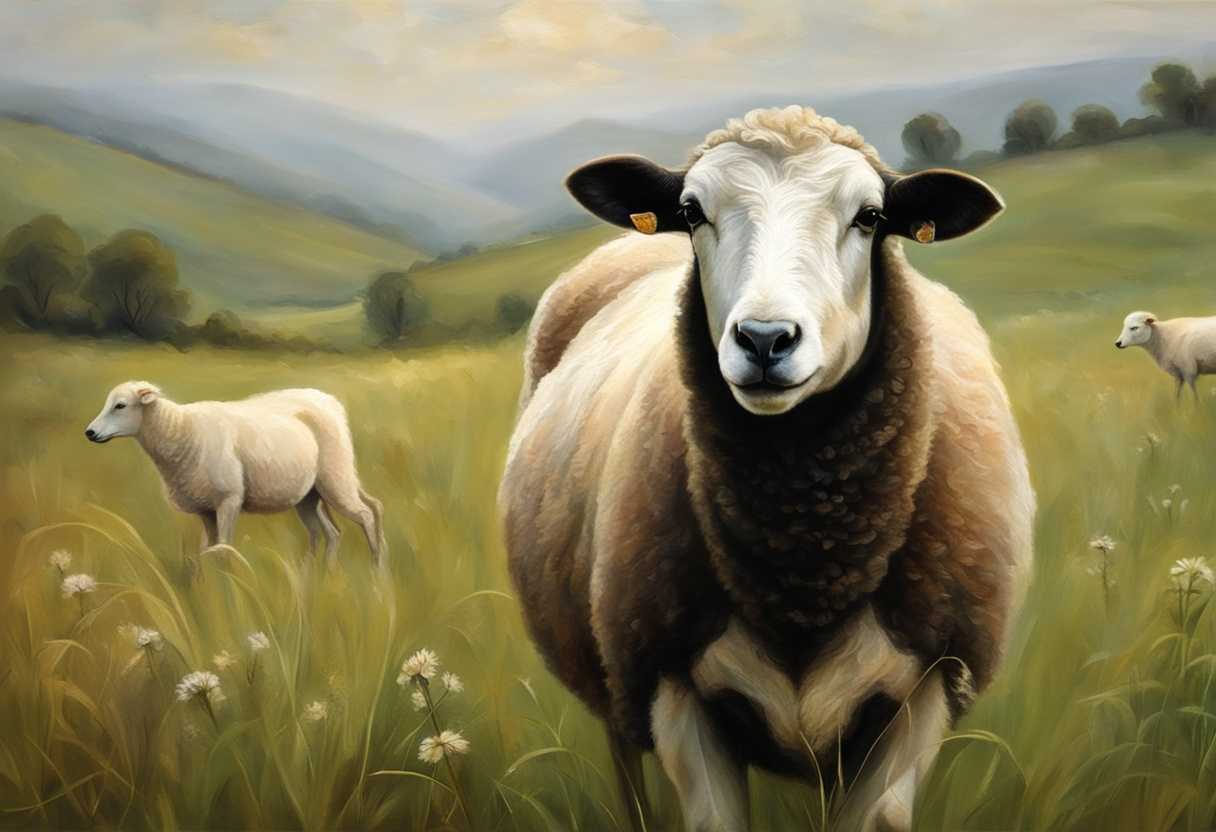
What the Bible Says About the Meaning of Ewe
In the Bible, the term “ewe” typically refers to a female sheep, symbolizing innocence, gentleness, and sacrifice. It is often used in agricultural contexts and as a metaphor for God’s care for His people, as seen in passages like Psalm 23 where God is depicted as a shepherd. Scripture 28 Then Abraham set seven ewe…
-
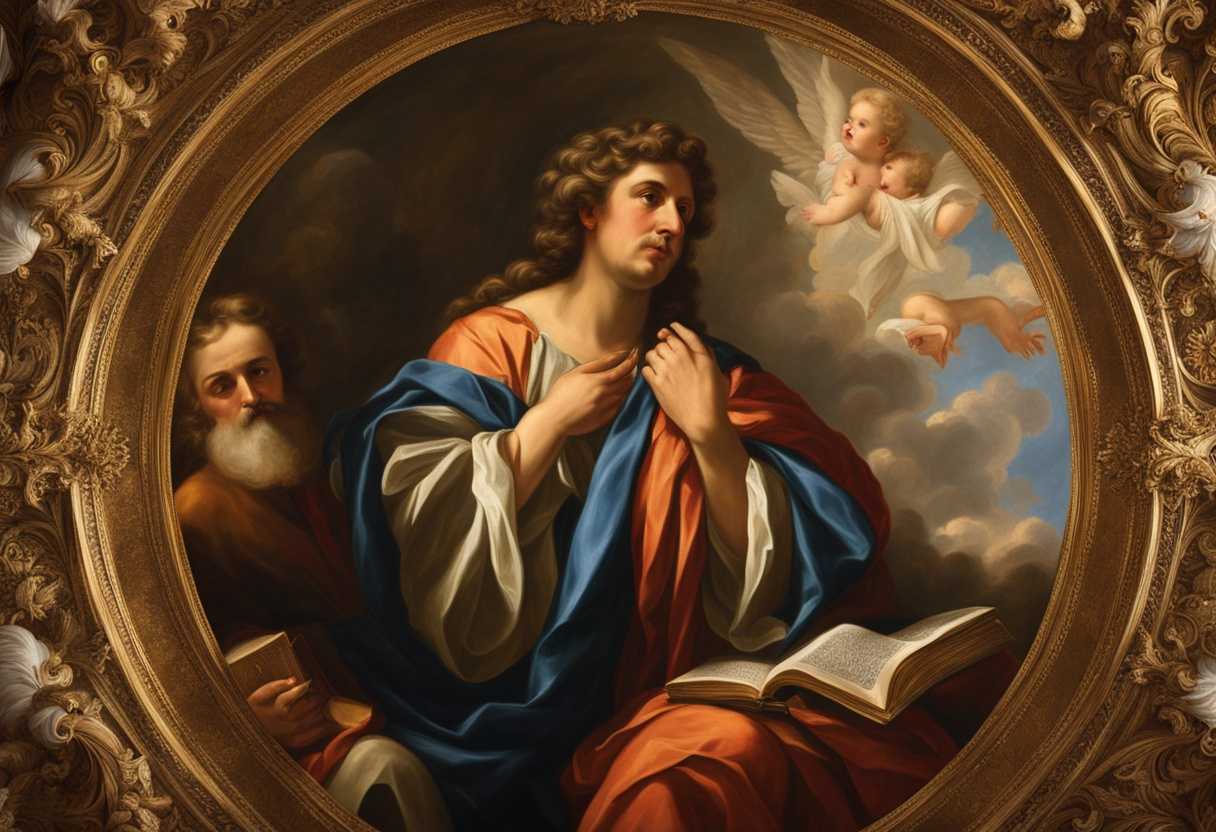
What the Bible Says About the Definition of “Spake”
In the Bible, “spake” is an archaic form of the word “spoke,” referring to the act of speaking or uttering words. It is often used to describe communication between God, prophets, and individuals in various contexts throughout the scriptures. Scripture 3 And God said, “Let there be light,” and there was light. 4 And God…
-
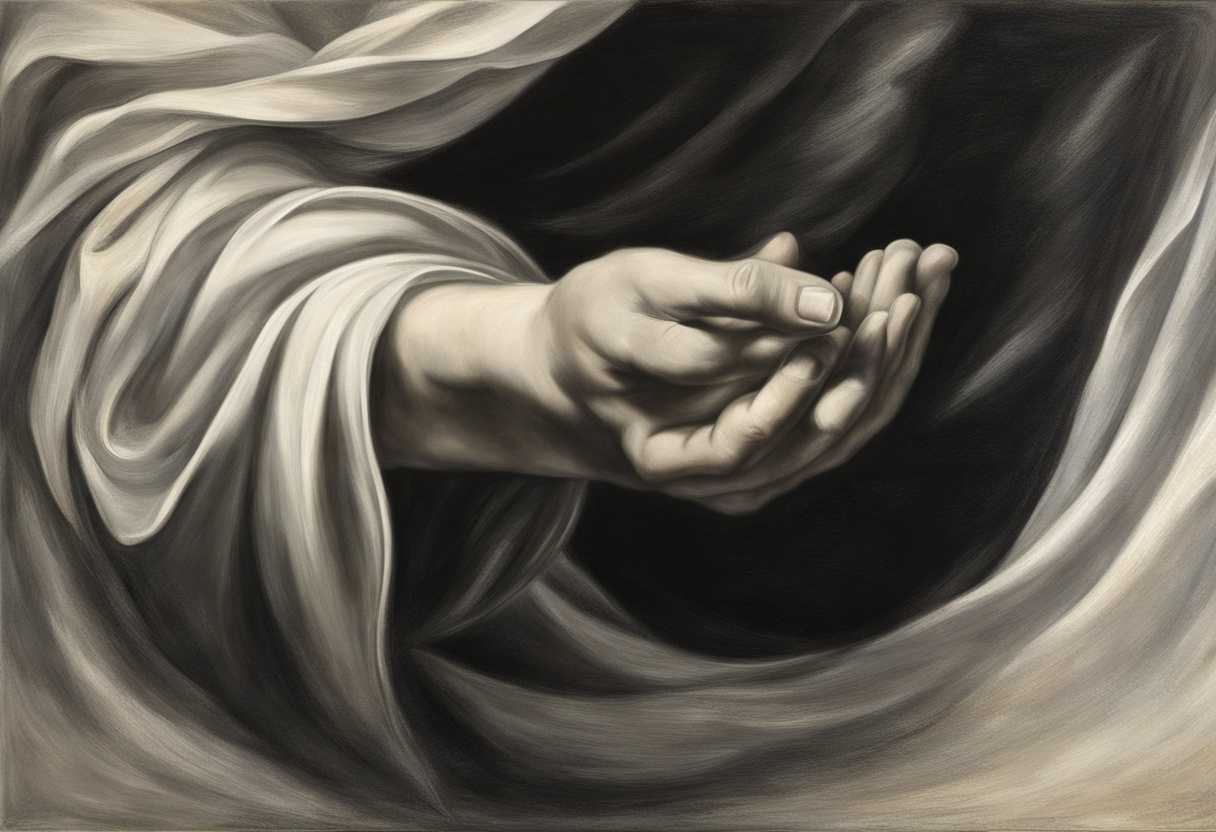
What the Bible Says About the Meaning of “Hand”
In the Bible, “hand” often symbolizes power and authority, representing both God’s strength and human action. It can also signify blessings and guidance, as seen in God’s “hand” being upon individuals for protection and support. Scripture 6 “Your right hand, O Lord, glorious in power, your right hand, O Lord, shatters the enemy.” 7 In…
-
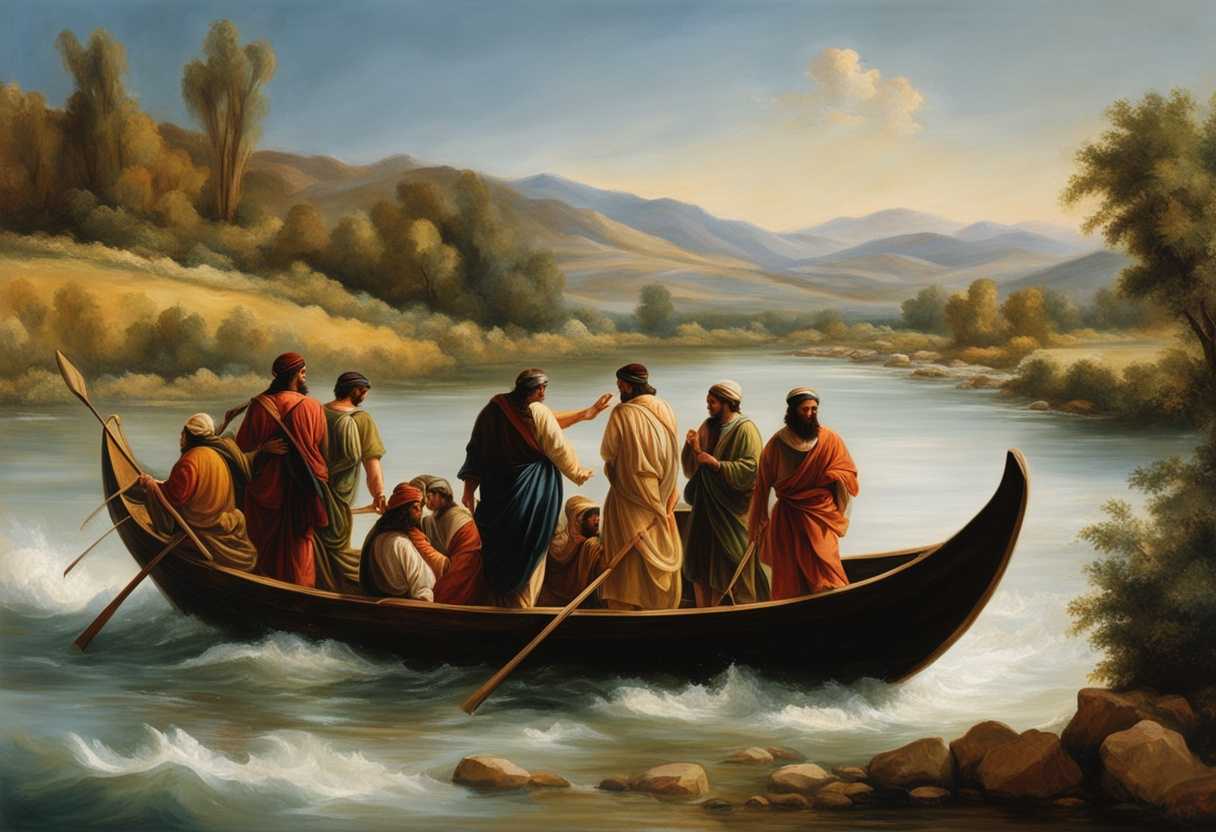
What the Bible Says About the Meaning of Cross Over
In the Bible, “cross over” often refers to the act of passing from one side to another, symbolizing a transition or change, such as the Israelites crossing the Jordan River into the Promised Land (Joshua 3:14-17). It can also signify a spiritual journey or commitment to follow God, as seen in the invitation to leave…