
Author: Reverend Michael Johnson
-

What the Bible Says About “Thy Kingdom Come”
“Thy Kingdom Come” refers to the petition in the Lord’s Prayer, expressing a desire for God’s reign and sovereignty to manifest on earth as it is in heaven. It signifies the hope for divine intervention and the establishment of God’s justice, peace, and righteousness among humanity. Scripture 9 Pray then like this: “Our Father in…
-

What the Bible Says About the Meaning of the Acacia Tree
In the Bible, the acacia tree is often associated with resilience and durability, symbolizing God’s enduring presence. It was used to construct sacred objects, such as the Ark of the Covenant in Exodus 25:10, highlighting its significance in religious rituals and worship. Scripture 10 “They shall make an ark of acacia wood. Two cubits and…
-
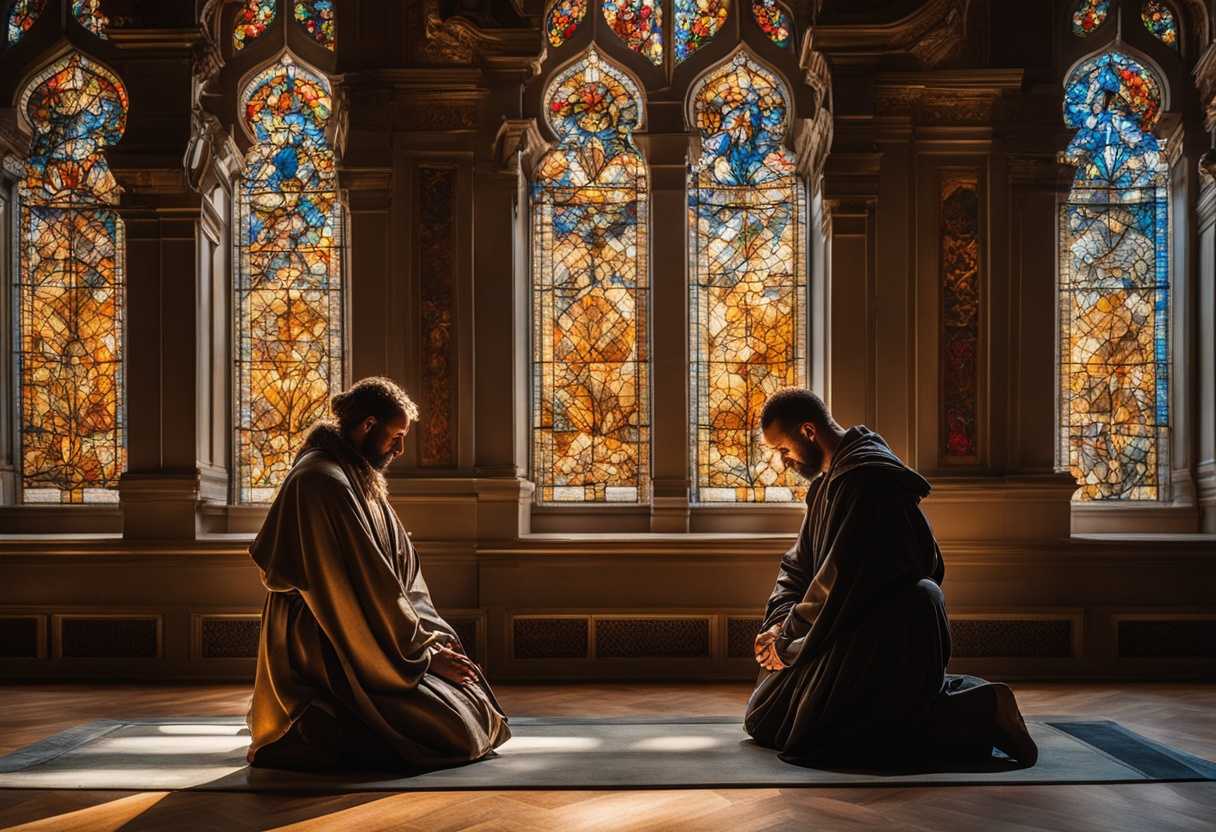
What the Bible Says About Kneeling
In the Bible, “knelt” signifies an act of humility, reverence, or supplication before God or authority figures, often associated with prayer or worship. It symbolizes a posture of submission and surrender to divine will, as seen in various passages (e.g., Philippians 2:10). Scripture 26 The man bowed his head and worshiped the Lord. 27 saying,…
-

What the Bible Says About Protection: A Divine Definition
In the Bible, protection refers to the safeguarding and preservation by God of individuals or nations from harm or danger, often highlighted in scriptures such as Psalm 91:1-2, where God is described as a refuge and fortress. It conveys the notion of divine shelter and support in times of trouble, emphasizing faith in God’s ability…
-

What the Bible Says About Divine Meaning
In the Bible, “divine” refers to anything pertaining to God or having qualities associated with God, such as holiness, power, and omniscience. It often describes God’s nature, actions, and attributes as well as the spiritual aspects of creation that reflect His glory. Scripture 26 Then God said, “Let us make man in our image, after…
-
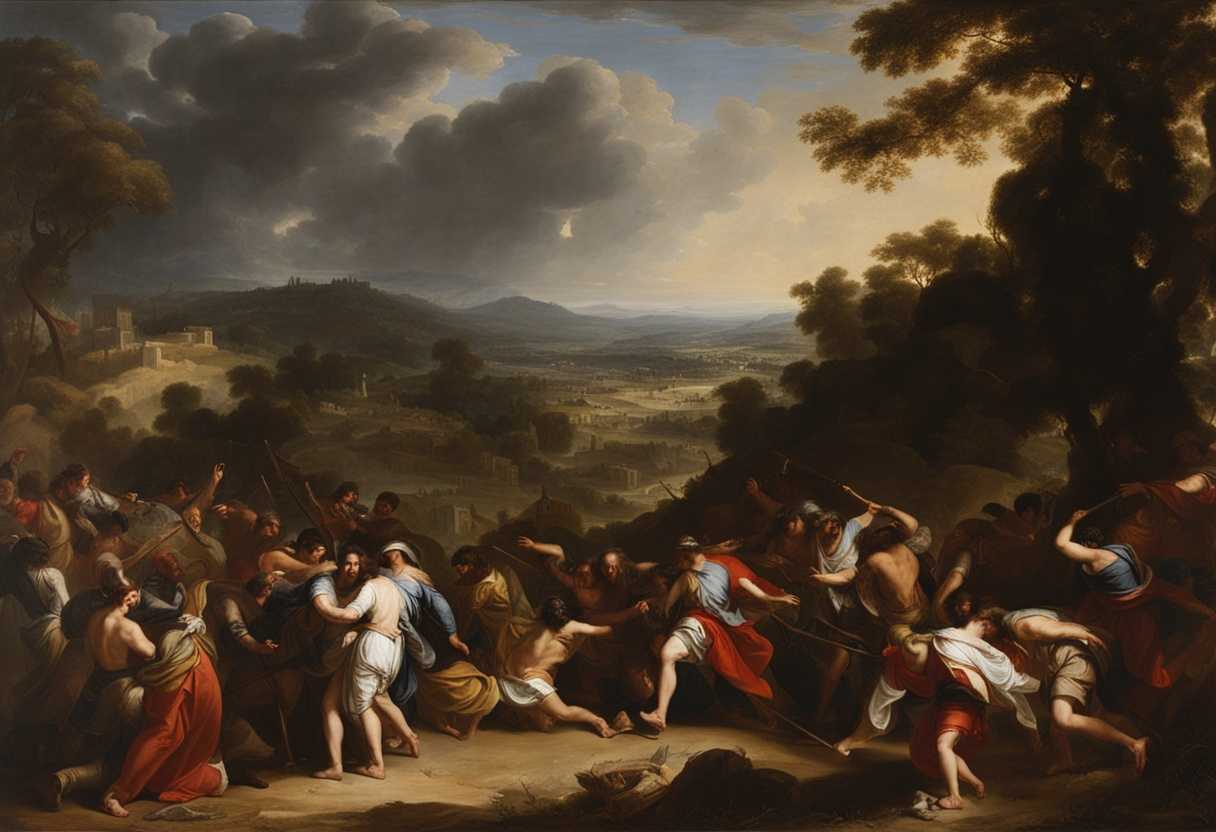
What the Bible Says About “Strove”
In the Bible, “strove” generally means to struggle, contend, or fight, often referring to conflicts or disputes. It appears in various contexts, indicating both physical and metaphorical struggles, such as in Genesis 26:22, where it describes the conflicts over wells between Isaac’s servants and the Philistines. Scripture 24 And Jacob was left alone. And a…
-

What the Bible Says About the Meaning of the Third Day
In the Bible, the “third day” often symbolizes resurrection, renewal, or divine intervention. For instance, Jesus rose from the dead on the third day (Luke 24:7), representing the culmination of his redemptive work and the promise of eternal life for believers. Scripture 9 And God said, “Let the waters under the heavens be gathered together…
-

What the Bible Says About the Meaning of the Seven Churches
In the Book of Revelation, the seven churches symbolize the diverse conditions and challenges faced by Christian communities in Asia Minor during the first century. Each church represents spiritual strengths and weaknesses, offering messages of encouragement, warning, and instruction to believers. Scripture 11 saying, “Write what you see in a book and send it to…
-

What the Bible Says About Walking in the Flesh
“Walking in the flesh” in the Bible refers to living according to one’s sinful nature and worldly desires, in contrast to living according to the Spirit of God. It signifies a focus on earthly, carnal pursuits that lead away from spiritual growth and obedience to God’s will (Romans 8:1-8). Scripture 1 There is therefore now…
-

What the Bible Says About the Lion and the Lamb: Symbolism and Meaning
In the Bible, the lion often symbolizes strength, power, and royalty, as seen in references to Jesus as “the Lion of the tribe of Judah” (Revelation 5:5). The lamb represents innocence, sacrifice, and gentleness, epitomized by Jesus as “the Lamb of God” (John 1:29), highlighting the contrast between strength and humility in God’s plan for…