
Author: Reverend Michael Johnson
-
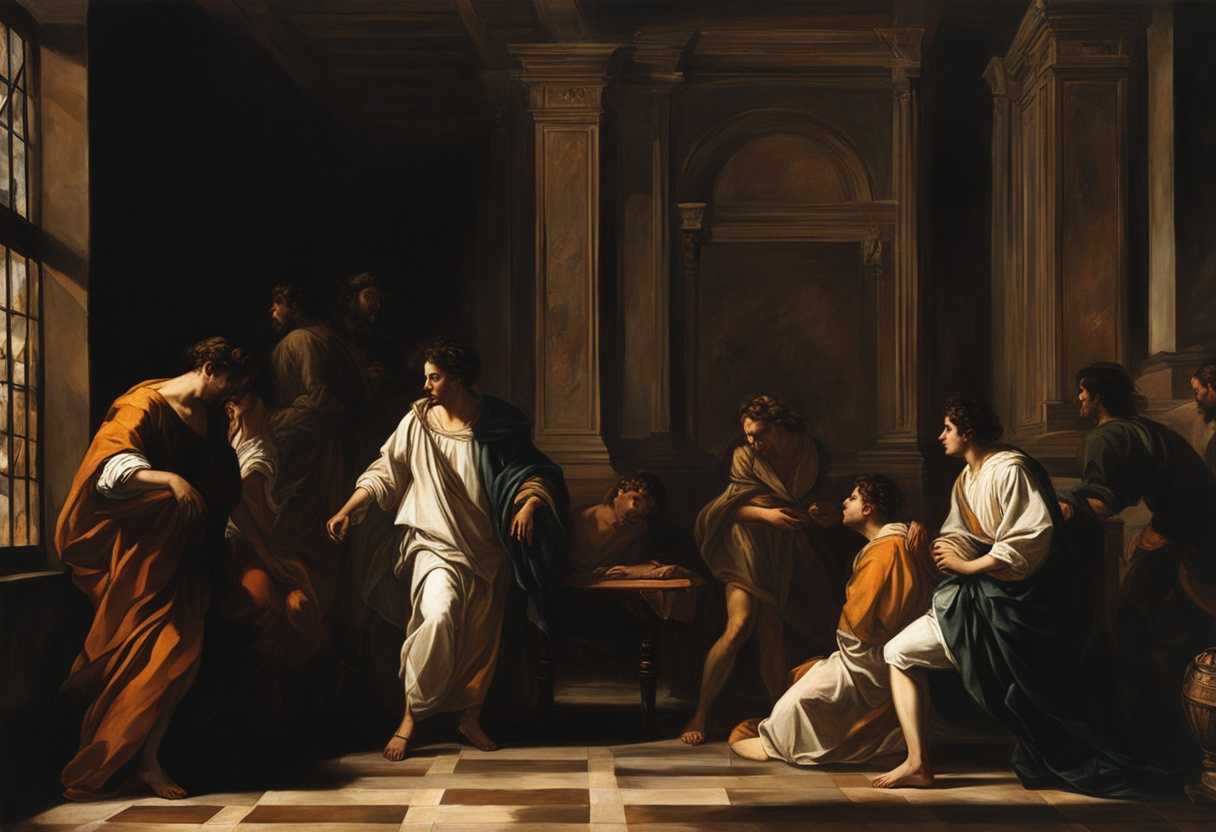
What does Genesis 42:9, 13 really mean?
Genesis 42:9, 13 is about Joseph recognizing his brothers who had sold him into slavery, testing their integrity and repentance, and ultimately showing forgiveness and grace, portraying themes of reconciliation, redemption, and the mysterious ways in which God works for good even in the midst of betrayal and hardship. 9 And Joseph remembered the dreams…
-
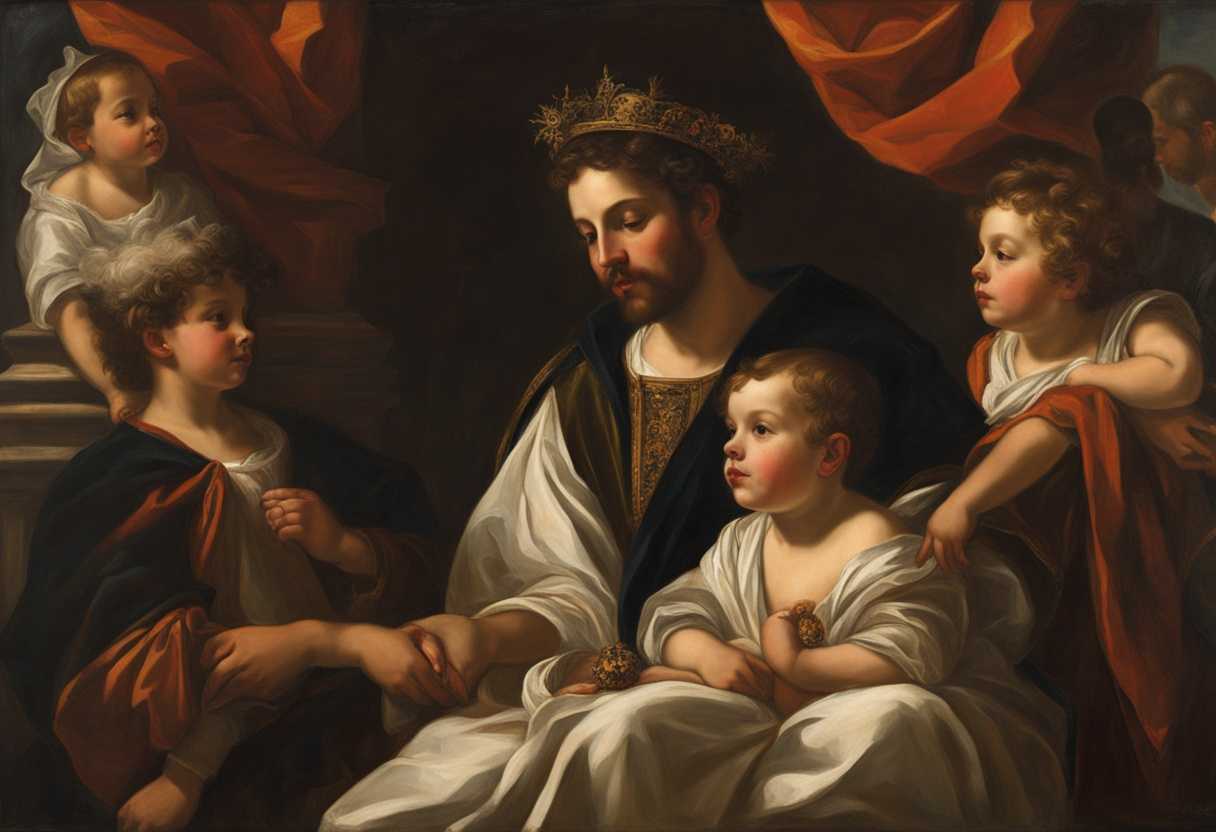
What does Exodus 28-29 really mean?
Exodus 28-29 is about God providing detailed instructions to Moses for the garments of the priests and the consecration of Aaron and his sons, symbolizing the importance of holiness, separation, and dedication in serving God. 1 “Then bring near to you Aaron your brother, and his sons with him, from among the people of Israel,…
-

What does 2 Chronicles 14-16 really mean?
2 Chronicles 14-16 is about the reign of King Asa of Judah, detailing his faithfulness to God in seeking Him and removing idolatry from the land, yet also showing his lapse in relying on human alliances rather than on God alone. 1 Abijah slept with his fathers, and they buried him in the city of…
-

What does Genesis 37:7,9 really mean?
Genesis 37:7,9 is about Joseph sharing his dream with his brothers, illustrating his future leadership and dominance over them, symbolizing the fulfillment of divine purpose and the jealousy and resentment it can provoke. 7 And behold, we were binding sheaves in the field, and behold, my sheaf arose and stood upright. 9 Then he dreamed…
-

What does Romans 9:27-28 really mean?
Romans 9:27-28 is about the prophetic declaration that although the number of Israelites may be small, God will preserve a remnant and fulfill His promises despite widespread unbelief and judgment, highlighting His sovereignty and mercy in salvation. 27 And Isaiah cries out concerning Israel: “Though the number of the sons of Israel be as the…
-

What does 1 Kings 17-18 really mean?
1 Kings 17-18 is about the prophet Elijah demonstrating the power and faithfulness of God through miraculous signs and his confrontation with the prophets of Baal to reveal the one true God. 1 Now Elijah the Tishbite, of Tishbe in Gilead, said to Ahab, “As the Lord, the God of Israel, lives, before whom I…
-

What does Judges 11-12 really mean?
Judges 11-12 is about Jephthah, a judge of Israel, who made a rash vow to God leading to the tragic sacrifice of his own daughter, highlighting the dangers of making hasty promises and the importance of thoughtful reflection and devotion in one’s relationship with God. 1 Now Jephthah the Gileadite was a mighty warrior, but…
-

What does Leviticus 13-14 really mean?
Leviticus 13-14 is about the laws and rituals concerning skin diseases and bodily emissions, emphasizing the importance of purity and cleanliness in the Israelite community. 1 The Lord spoke to Moses and Aaron, saying, 2 When a person has on the skin of his body a swelling or an eruption or a spot, and it…
-

What does Judges 14-16 really mean?
Judges 14-16 is about the story of Samson, a man chosen by God to be a Nazirite, who possesses great physical strength but is ultimately brought down by his own weaknesses and inability to resist temptation. 1 Samson went down to Timnah, and at Timnah he saw one of the daughters of the Philistines. 2…
-

What does 1 Kings 6-7 really mean?
1 Kings 6-7 is about the construction of the temple by King Solomon, highlighting the importance of dedicating oneself to the service of God and creating a sacred space for worship and communion with Him. 1 In the four hundred and eightieth year after the people of Israel came out of the land of Egypt,…