
Author: Reverend Michael Johnson
-

What the Bible Says About the Definition of Abounded
In the Bible, “abounded” refers to the idea of overflowing or being rich in a quality, particularly in grace, love, mercy, or blessings. It signifies an abundance that exceeds normal limits, often highlighting God’s generous provision for humanity (e.g., Romans 5:20). Scripture 20 Now the law came in to increase the trespass, but where sin…
-

What the Bible Says About “Compassed”
In the Bible, “compassed” generally refers to being surrounded or encircled, often used in the context of people or forces encompassing a location or an individual. It conveys a sense of limitation or confinement, as seen in passages describing how enemies might compass the righteous or how God’s presence surrounds His faithful. Scripture 5 And…
-

What the Bible Says About “Intreated”
In the Bible, “intreated” generally refers to the act of earnestly or fervently asking for something, often implying a sense of urgency or desperation in the request. This term is used in various contexts to convey pleading or seeking help from God or others. Scripture 24 And Jacob was left alone. And a man wrestled…
-

What the Bible Says About Emulating Meaning
In the Bible, to “emulate” can be understood as striving to imitate the good qualities or behaviors of others, particularly in relation to Christ-like attributes, as seen in passages that encourage believers to follow the example of Jesus and fellow faithful (1 Corinthians 11:1). It implies a pursuit of righteousness and moral virtues by reflecting…
-

What the Bible Says About Workmanship
In the Bible, “workmanship” refers to the unique creation and craftsmanship of God in shaping individuals, as expressed in Ephesians 2:10, which states that believers are God’s handiwork, created for good works. It emphasizes the intentional design and purpose that God has for each person. Scripture 8 For by grace you have been saved through…
-

What the Bible Books Mean: A Summary of Their Significance
The Bible consists of multiple books, each serving a unique purpose and conveying different messages. For example, Genesis outlines creation and the beginnings of humanity and Israel, while the Gospels (Matthew, Mark, Luke, and John) chronicle the life and teachings of Jesus Christ. Scripture 1 In the beginning, God created the heavens and the earth.…
-

What the Bible Says About Futility
In the Bible, futility is often associated with the idea of emptiness or vanity, as seen in Ecclesiastes, where it suggests the meaningless pursuits of life without a focused purpose in God. It highlights the transience of human efforts and the ultimate need for divine wisdom and understanding. Scripture 1 The words of the Preacher,…
-

What the Bible Says About Weaning
In the Bible, “weaned” refers to the stage when a child is transitioned from breastfeeding to eating solid food, symbolizing maturation and independence. It often signifies a period of growth and readiness for new responsibilities, as illustrated in passages such as Psalm 131:2, where the psalmist compares himself to a weaned child. Scripture 1 O…
-

What the Bible Says About the Meaning of “Ish”
In the Bible, “ish” is a Hebrew word meaning “man” or “husband.” It is often used to denote human beings in general or to signify a male partner in a marital context, as seen in Genesis where it is contrasted with “isha,” meaning “woman.” Scripture 23 Then the man said, “This at last is bone…
-
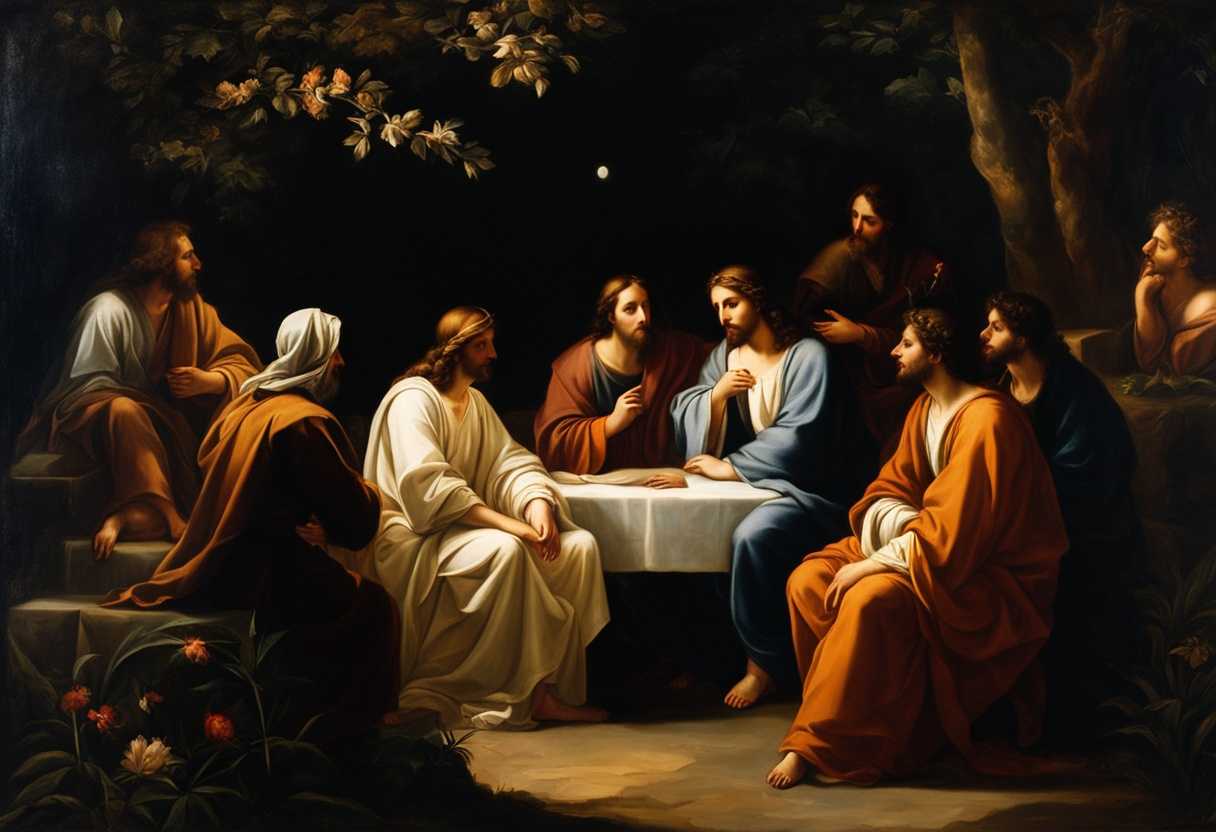
What the Bible Says About “The Flesh is Weak”
The phrase “the flesh is weak” originates from Matthew 26:41, where Jesus tells his disciples to “watch and pray” because “the spirit indeed is willing, but the flesh is weak.” This highlights the human tendency to succumb to temptation and fail in spiritual vigilance despite a desire to do what is right. Scripture 36 Then…