
Author: Reverend Michael Johnson
-
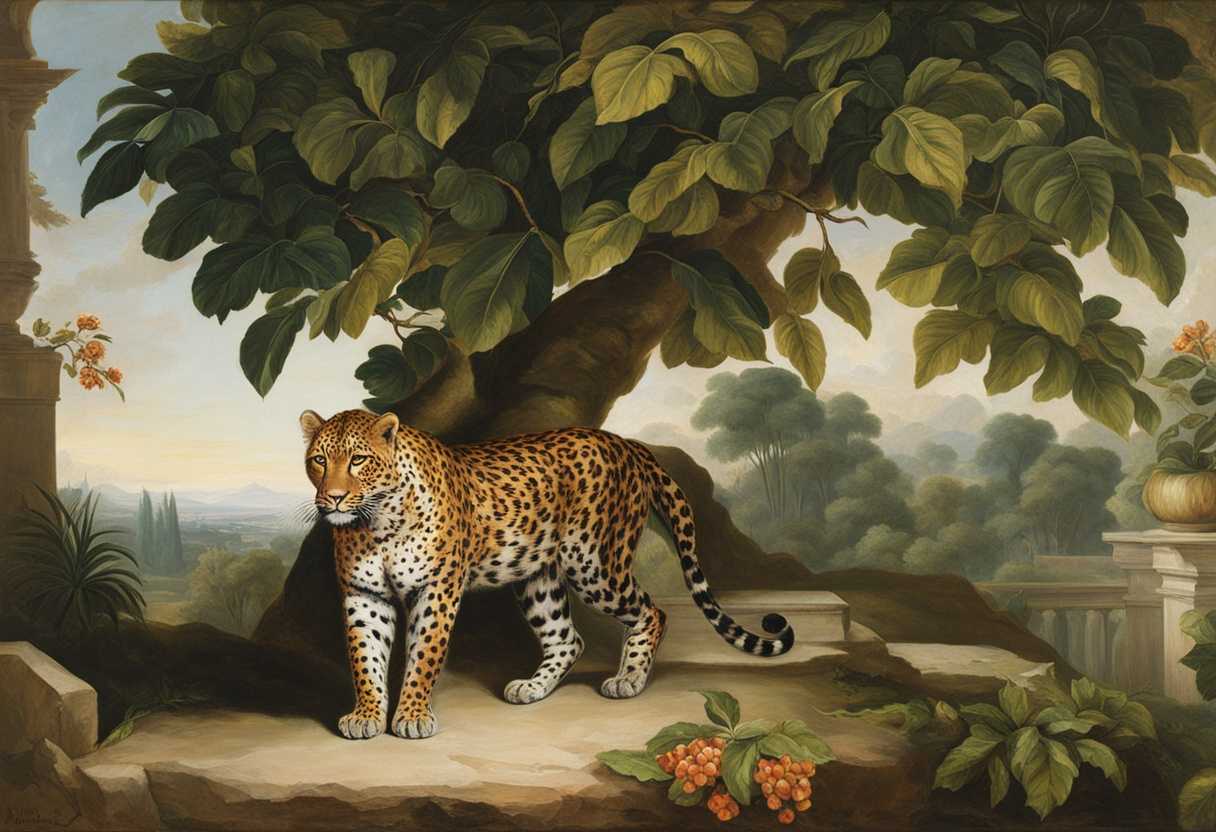
What the Bible Says About the Meaning of Leopard
In the Bible, a leopard often symbolizes swiftness and ferocity, as seen in Jeremiah 5:6, where it represents an unstoppable threat. It is also mentioned in prophetic visions, such as in Daniel 7:6, where a leopard symbolizes a kingdom characterized by speed and cunning. Scripture 9 Judah is a lion’s cub; from the prey, my…
-
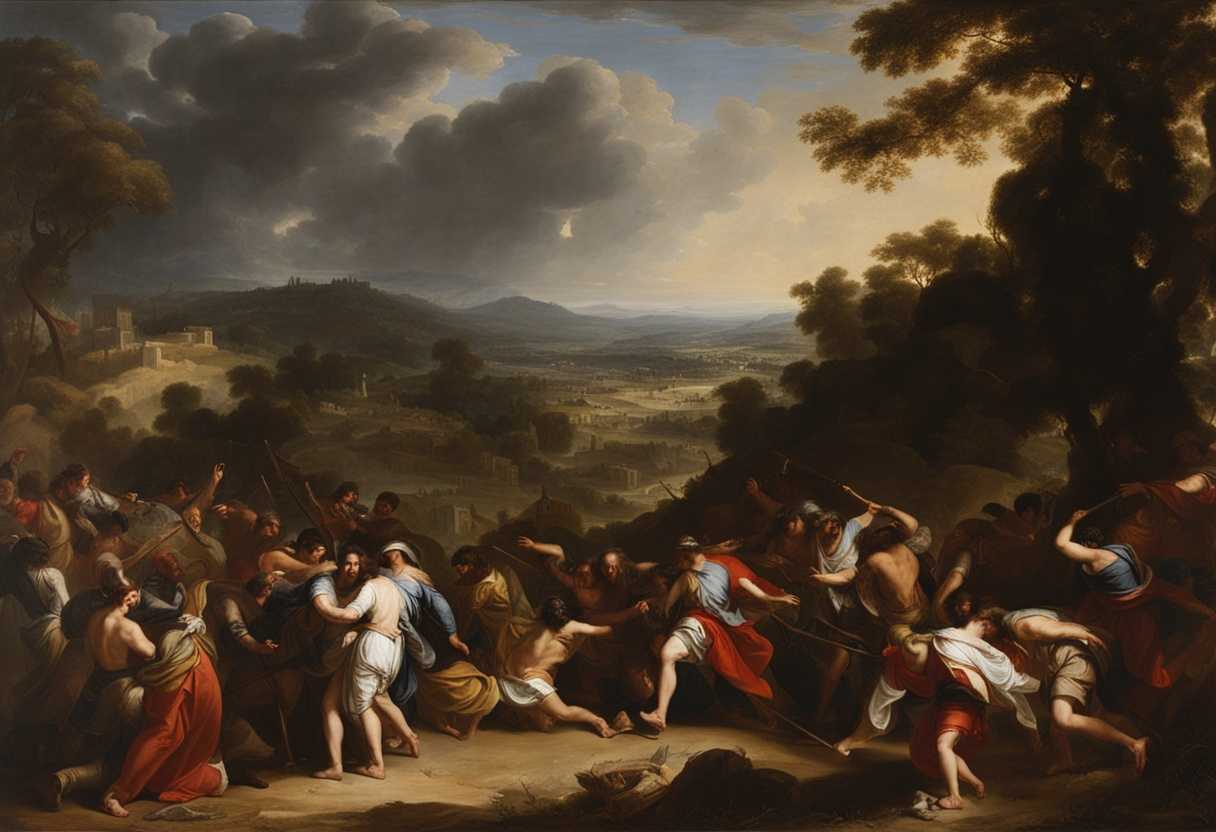
What the Bible Says About “Strove”
In the Bible, “strove” generally means to struggle, contend, or fight, often referring to conflicts or disputes. It appears in various contexts, indicating both physical and metaphorical struggles, such as in Genesis 26:22, where it describes the conflicts over wells between Isaac’s servants and the Philistines. Scripture 24 And Jacob was left alone. And a…
-
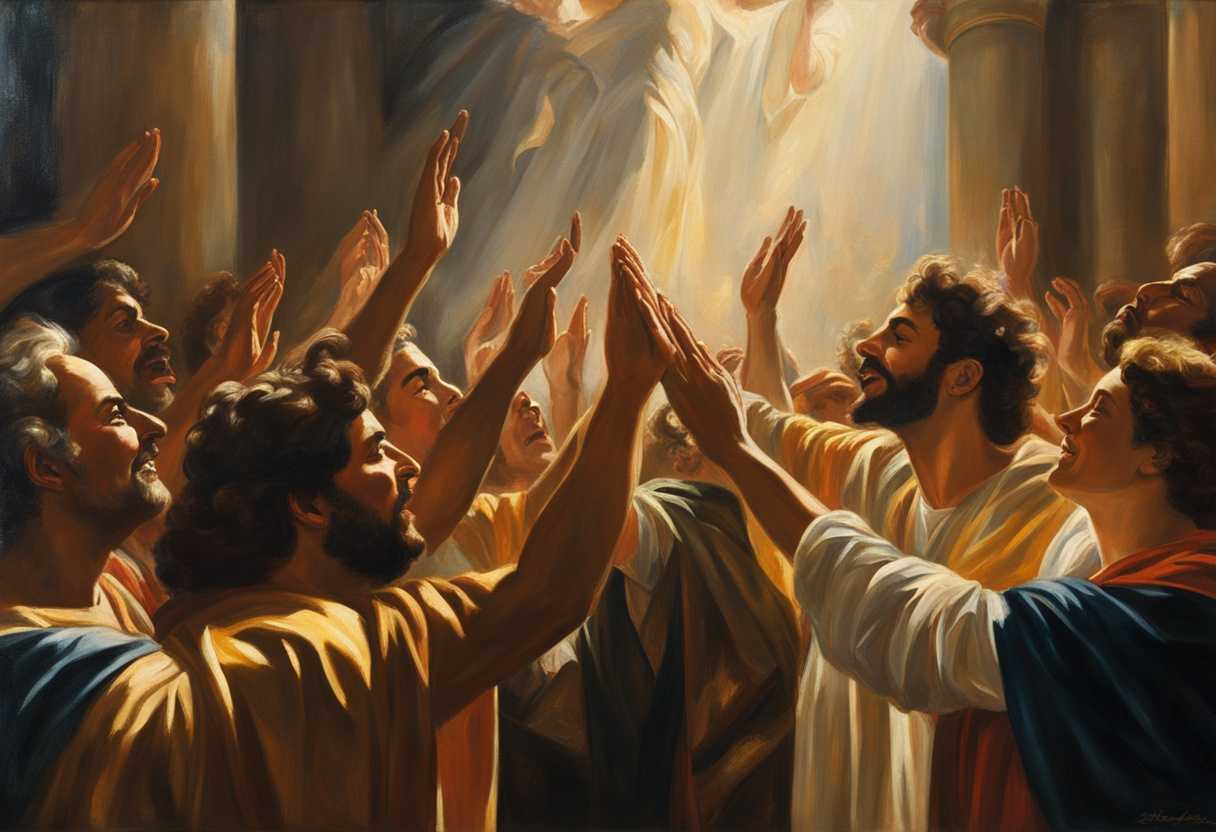
What the Bible Says About the Meaning of Lifted Hands
In the Bible, lifted hands in worship symbolize surrender, openness to God, and a desire for divine connection. This act can be seen as a physical expression of prayer and praise, exemplified in passages such as Psalm 63:4 and 1 Timothy 2:8. Scripture 29 Moses said to him, “As soon as I have gone out…
-

What the Bible Says About Fleeing
In the Bible, “flee” often signifies the act of running away from danger, sin, or temptation, demonstrating a desire for safety or purity. It conveys the urgency of escaping harmful situations or immoral behaviors, as seen in verses like 1 Corinthians 6:18, where believers are encouraged to “flee from sexual immorality.” Scripture 17 And as…
-

What the Bible Says About Demonstrate
In the Bible, “demonstrate” often refers to the act of showing or proving something through actions or signs. For instance, it can relate to demonstrating faith through works, as seen in James 2:18, which emphasizes that faith is shown by actions. Scripture 8 but God shows his love for us in that while we were…
-

What the Bible Says About Grasshoppers
In the Bible, grasshoppers are often used as symbols of insignificance, frailty, and vulnerability. For example, in Numbers 13:33, the Israelites describe themselves as grasshoppers compared to the giants in the land, illustrating their feelings of fear and inferiority. Scripture 33 And there we saw the Nephilim (the sons of Anak, who come from the…
-

What the Bible Says About Wild Beasts
In the Bible, “wild beasts” often symbolize dangerous, untamed forces or nations, as seen in various prophetic and apocalyptic texts. They can also represent chaos and evil, contrasted with the order found in God’s creation (e.g., Psalm 50:10, Daniel 7:3). Scripture 24 And God said, “Let the earth bring forth living creatures according to their…
-

What the Bible Says About Repentance: Definition from Blue Letter Bible
In the Blue Letter Bible, “repent” is defined as a change of mind or purpose, often involving a deep sense of remorse for past actions, leading to a commitment to change one’s life direction in accordance with God’s will. It reflects both a turning away from sin and a turning toward God. Scripture 6 And…
-

What the Bible Says About Revelry
In the Bible, revelry refers to excessive partying, indulgence, or boisterous merrymaking, often associated with immoral behavior. It is generally condemned in scripture, such as in Galatians 5:19-21, where it is listed among the works of the flesh. Scripture 6 And they rose up early the next day and offered burnt offerings and brought peace…
-

What the Bible Says About Conies
In the Bible, conies (or hyraxes) are small, herbivorous mammals mentioned in Proverbs 30:26 and Psalm 104:18, noted for their rock-dwelling habits and wisdom in seeking shelter. They symbolize reliance on protective environments and are often highlighted for their vulnerability compared to larger animals. Scripture 5 And the rock badger, because it chews the cud…