
Author: Reverend Michael Johnson
-

What the Bible Says About Futility
In the Bible, futility is often associated with the idea of emptiness or vanity, as seen in Ecclesiastes, where it suggests the meaningless pursuits of life without a focused purpose in God. It highlights the transience of human efforts and the ultimate need for divine wisdom and understanding. Scripture 1 The words of the Preacher,…
-

What the Bible Says About Graven Images
In the Bible, “graven” refers to something that is engraved or carved, often in relation to idols or images made by human hands (e.g., in the context of the commandment against making graven images, found in Exodus 20:4). It conveys the idea of creating a physical representation that can distract from or misrepresent the worship…
-

What the Bible Says About Revival
In the Bible, “revive” generally refers to restoring life, strength, or health, often in a spiritual context, signifying a renewal or revitalization of faith and relationship with God. It is frequently associated with repentance and a return to spiritual vitality, as seen in passages like Psalm 85:6, which calls for God to revive His people.…
-
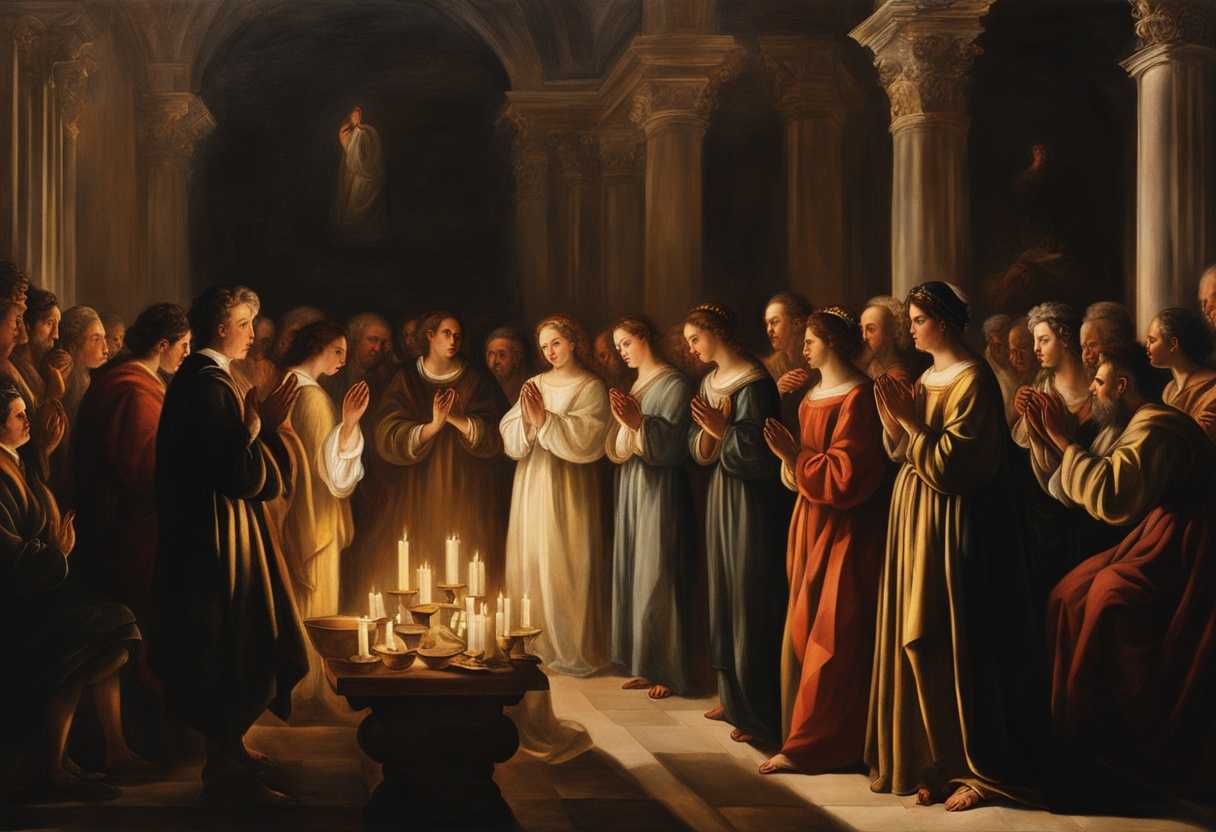
What the Bible Says About Convocation
In the Bible, a convocation refers to a solemn assembly or gathering of people for a religious purpose, often associated with the observance of sacred festivals or worship. It signifies the act of calling together God’s people to worship, as seen in passages such as Leviticus 23, where various feasts are described as holy convocations.…
-

What the Bible Says About the Meaning of “Ish”
In the Bible, “ish” is a Hebrew word meaning “man” or “husband.” It is often used to denote human beings in general or to signify a male partner in a marital context, as seen in Genesis where it is contrasted with “isha,” meaning “woman.” Scripture 23 Then the man said, “This at last is bone…
-

What the Bible Says About Abundance
In the Bible, “abundant” refers to an overflow of blessings, provision, or life, often associated with God’s grace and generosity. For example, John 10:10 describes Jesus coming that we might have life “more abundantly,” implying a richness and fullness in spiritual and material blessings. Scripture 10 The thief comes only to steal and kill and…
-

What the Bible Says About Meeting Definitions
In the Bible, “meet” is often used in the context of being suitable or fitting, as in Genesis 2:18, where God says He will create a helper “meet” for Adam, meaning a companion that is appropriate or corresponding to him. The term emphasizes suitability and compatibility within relationships, particularly in the context of marriage and…
-

What the Bible Says About “Soweth”
In the Bible, “soweth” refers to the act of planting seeds, symbolizing the act of investing efforts or resources with the expectation of future growth or harvest. It often conveys spiritual principles, such as the idea of reaping what one sows, emphasizing the consequences of one’s actions (Galatians 6:7). Scripture 11 And God said, “Let…
-

What the Bible Says About “Bridleth”
In the Bible, “bridleth” refers to the act of controlling or restraining, particularly in relation to one’s speech or behavior. This term is often associated with the idea of exercising self-discipline, as seen in James 1:26, where it emphasizes the importance of controlling the tongue. Scripture 26 If anyone thinks he is religious and does…
-

What the Bible Books Mean: A Summary of Their Significance
The Bible consists of multiple books, each serving a unique purpose and conveying different messages. For example, Genesis outlines creation and the beginnings of humanity and Israel, while the Gospels (Matthew, Mark, Luke, and John) chronicle the life and teachings of Jesus Christ. Scripture 1 In the beginning, God created the heavens and the earth.…