
Author: Reverend Michael Johnson
-

What the Bible Says About Revolution: Understanding Its Meaning
The term “revolution” is not explicitly defined in the Bible, but it can be associated with themes of significant change, upheaval, or transformation in societal or spiritual contexts. Biblical narratives often depict revolutions in the form of God’s intervention, the overthrow of oppressors, or the establishment of God’s kingdom, such as in the stories of…
-

What the Bible Says About Flattery: A Definition and Insight
In the Bible, flattery is often viewed as insincere praise or compliments intended to manipulate or deceive, as seen in Proverbs 29:5, which warns that a person who flatters their neighbor spreads a net for their feet. It implies a lack of honesty and can lead to negative consequences, reflecting an intention to gain favor…
-

What the Bible Says About the Meaning of Wells
In the Bible, wells often symbolize sources of life, sustenance, and spiritual nourishment. They serve as places of encounter, revelation, and covenant, reflecting both physical and metaphorical depths of God’s provision and blessings. Scripture 25 When Abraham reproved Abimelech about a well of water that Abimelech’s servants had seized. 26 And Abimelech said, “I do…
-

What the Bible Says About the Meaning of a Study Bible
A study Bible is a type of Bible that includes additional features such as notes, explanations, maps, and commentary to help readers understand the text more deeply. It is designed to enhance the study of Scripture by providing context and insights from biblical scholarship. Scripture 1 My son, if you receive my words and treasure…
-

What the Bible Says About Folly: A KJV Definition
In the KJV Bible, “folly” refers to a lack of good sense or understanding, often associated with foolish behavior or actions that lead to moral or practical failure. It is frequently contrasted with wisdom and understanding, illustrating the consequences of poor choices (Proverbs 1:7, Proverbs 14:24). Scripture 7 The fear of the Lord is the…
-

What the Bible Says About Warfare: Understanding Its Meaning and Context
In the Bible, warfare often symbolizes the ongoing spiritual battle between good and evil, representing the struggles believers face against sin, temptation, and spiritual forces. It can also refer to physical conflicts in the historical context of God’s people, where battles were fought for righteous causes under divine guidance. Scripture 3 “The Lord is a…
-

What the Bible Says About Being Simple
In the Bible, simplicity often refers to a pure, uncomplicated faith and trust in God, as seen in passages like 2 Corinthians 11:3, which encourages believers to maintain sincere and pure devotion to Christ. It also emphasizes humility and the rejection of worldly complications, aligning with Proverbs simplicity speaks to living a life focused on…
-

What the Bible Says About Peril: Understanding Its Definition and Significance
In the Bible, “peril” refers to danger or exposure to harm, both physical and spiritual. It emphasizes the seriousness of circumstances that threaten one’s well-being or faith, as seen in various scriptures such as 2 Corinthians 11:26, where Paul speaks of facing dangers in his ministry. Scripture 1 But understand this, that in the last…
-

What the Bible Says About Replenishing the Earth
In the Bible, the term “replenish” often refers to the act of filling or restoring something to its original state, as seen in Genesis 1:28 where God commands humanity to “be fruitful and multiply, and replenish the earth.” It implies not only filling the earth but also managing and nurturing it in accordance with God’s…
-
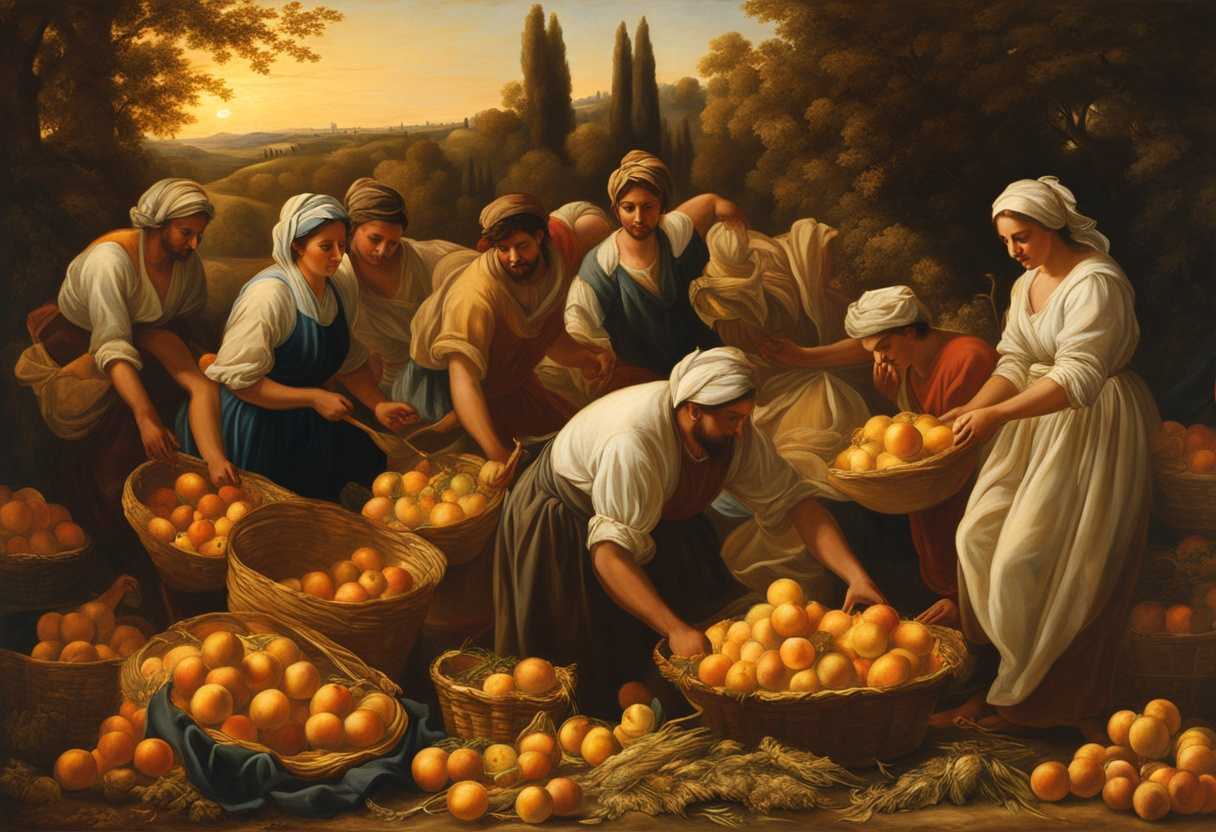
What the Bible Says About Reaping: A Definition and Insight
In the Bible, “reap” refers to the act of gathering in a harvest, symbolizing the process of receiving the results of one’s actions or efforts. It is often associated with sowing and reaping, illustrating the principle that one will harvest what they have planted, both in agricultural and spiritual terms, as seen in Galatians 6:7.…