
Author: Reverend Michael Johnson
-

What the Bible Says About Majesty
In the Bible, “majestic” describes the grandeur and magnificence of God’s nature and creation, reflecting His supreme power and authority. It emphasizes the awe-inspiring beauty and holiness found in God’s presence, often seen in passages that highlight His sovereignty over the universe (e.g., Psalm 93:1). Scripture 1 O Lord, our Lord, how majestic is your…
-
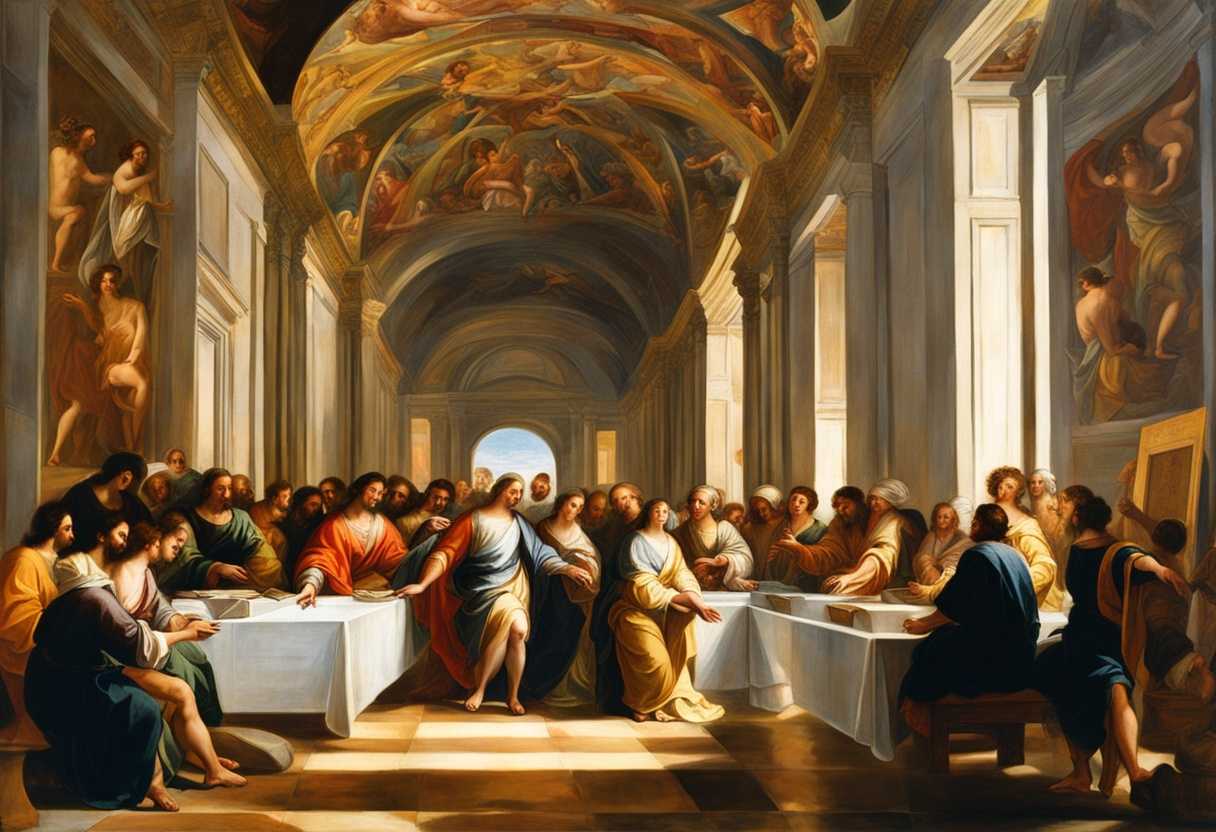
What the Bible Says About Democratizing Meaning
Democratizing the Bible refers to the process of making biblical texts accessible and interpretable to a broader audience, emphasizing individual engagement and interpretation rather than relying solely on institutional authority. This concept aligns with the biblical principle that all believers are called to read and understand Scripture, as seen in passages like 1 Peter 2:9,…
-

What the Bible Says About “In the Cool of the Day”
“In the cool of the day” refers to a time of day characterized by a gentle, refreshing atmosphere, often described in Genesis 3:8 when God walks in the garden of Eden. It signifies a time of communion and closeness between God and humanity before the Fall. Scripture 8 And they heard the sound of the…
-
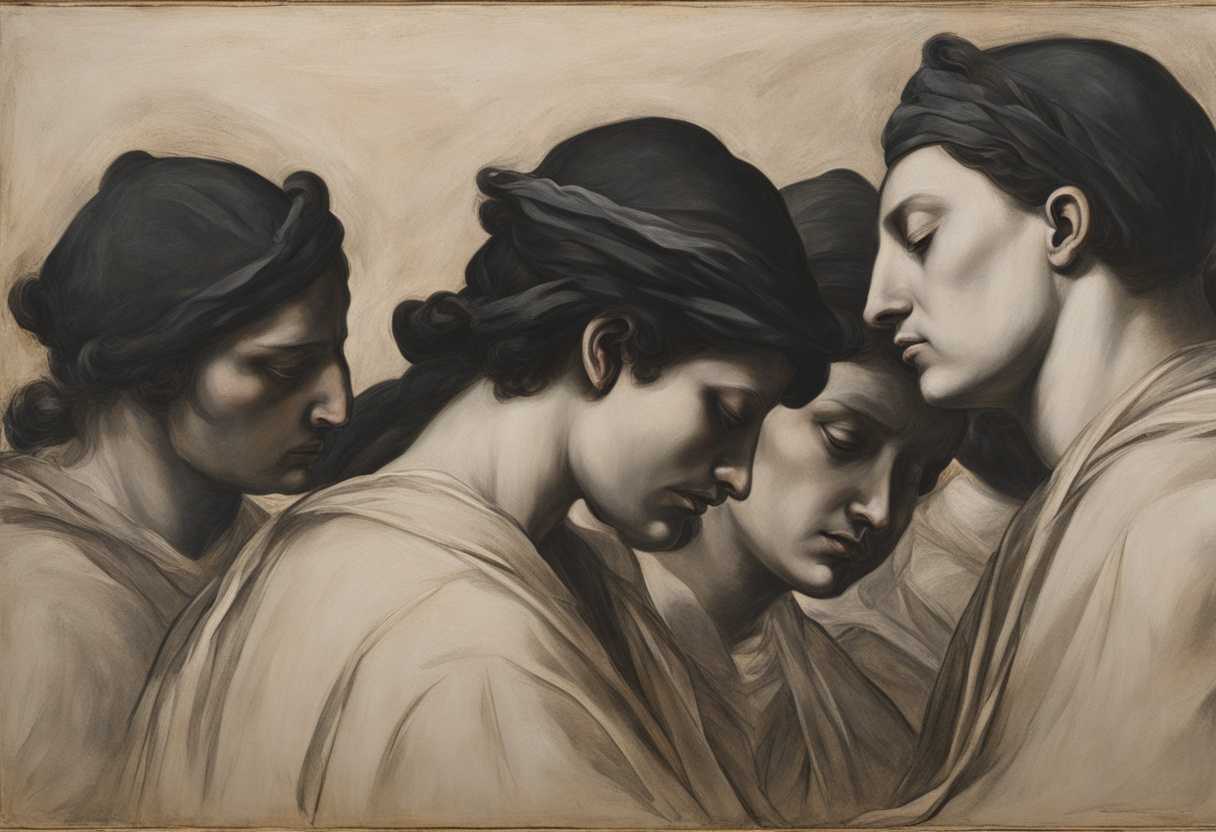
What the Bible Says About Bewailing
In the Bible, “bewail” refers to expressing deep sorrow or mourning, often in a loud or dramatic manner. It signifies a profound grief, typically in response to loss or tragedy, as seen in various passages where individuals lament over their misfortunes or the fate of others. Scripture 2 And Sarah died at Kiriath-arba (that is,…
-

What the Bible Says About Definition of Choose
In the Bible, “choose” refers to the act of selecting or making a decision, often in the context of God’s call for individuals to decide between righteousness and sin (e.g., Deuteronomy 30:19). It emphasizes the importance of free will in the relationship between God and humanity, where one is invited to choose life and align…
-

What the Bible: Understanding the Gutenberg Bible’s Significance
The Gutenberg Bible, printed by Johannes Gutenberg in the 15th century, is considered the first major book printed using movable type, making it significant in the spread of the Bible and literacy in Europe. It represents the beginning of the printing revolution and the democratization of access to biblical texts. Scripture 27 And the Lord…
-

What the Bible Says About Genealogies
Genealogies in the Bible serve as historical records that trace lineage and heritage, often highlighting the descent of important figures or tribes. They emphasize God’s covenant promises through successive generations, as seen in books like Genesis and Matthew. Scripture 1 This is the book of the generations of Adam. When God created man, he made…
-

What the Bible Says About “Strove”
In the Bible, “strove” generally means to struggle, contend, or fight, often referring to conflicts or disputes. It appears in various contexts, indicating both physical and metaphorical struggles, such as in Genesis 26:22, where it describes the conflicts over wells between Isaac’s servants and the Philistines. Scripture 24 And Jacob was left alone. And a…
-

What the Bible Says About Peace in the Middle East
In the Bible, peace (Hebrew “shalom”) represents a state of completeness, wholeness, and harmony, both in individual lives and within communities. In the context of the Middle East, it often reflects the prophetic hope for reconciliation and unity among nations, as exemplified in passages like Isaiah 2:4, where swords are turned into plowshares. Scripture 2…
-

What the Bible Says About the Meaning of Leopard
In the Bible, a leopard often symbolizes swiftness and ferocity, as seen in Jeremiah 5:6, where it represents an unstoppable threat. It is also mentioned in prophetic visions, such as in Daniel 7:6, where a leopard symbolizes a kingdom characterized by speed and cunning. Scripture 9 Judah is a lion’s cub; from the prey, my…