
Author: Reverend Michael Johnson
-

What the Bible Says About Peril: Understanding Its Definition and Significance
In the Bible, “peril” refers to danger or exposure to harm, both physical and spiritual. It emphasizes the seriousness of circumstances that threaten one’s well-being or faith, as seen in various scriptures such as 2 Corinthians 11:26, where Paul speaks of facing dangers in his ministry. Scripture 1 But understand this, that in the last…
-

What the Bible Says About Entreaty
In the Bible, “entreat” means to earnestly ask or request something, often with a sense of urgency or heartfelt appeal. It typically reflects a deep desire for assistance or favor from God or another person, as seen in various contexts throughout Scripture. Scripture 20 and you shall say, ‘Moreover, your servant Jacob is behind us.’”…
-
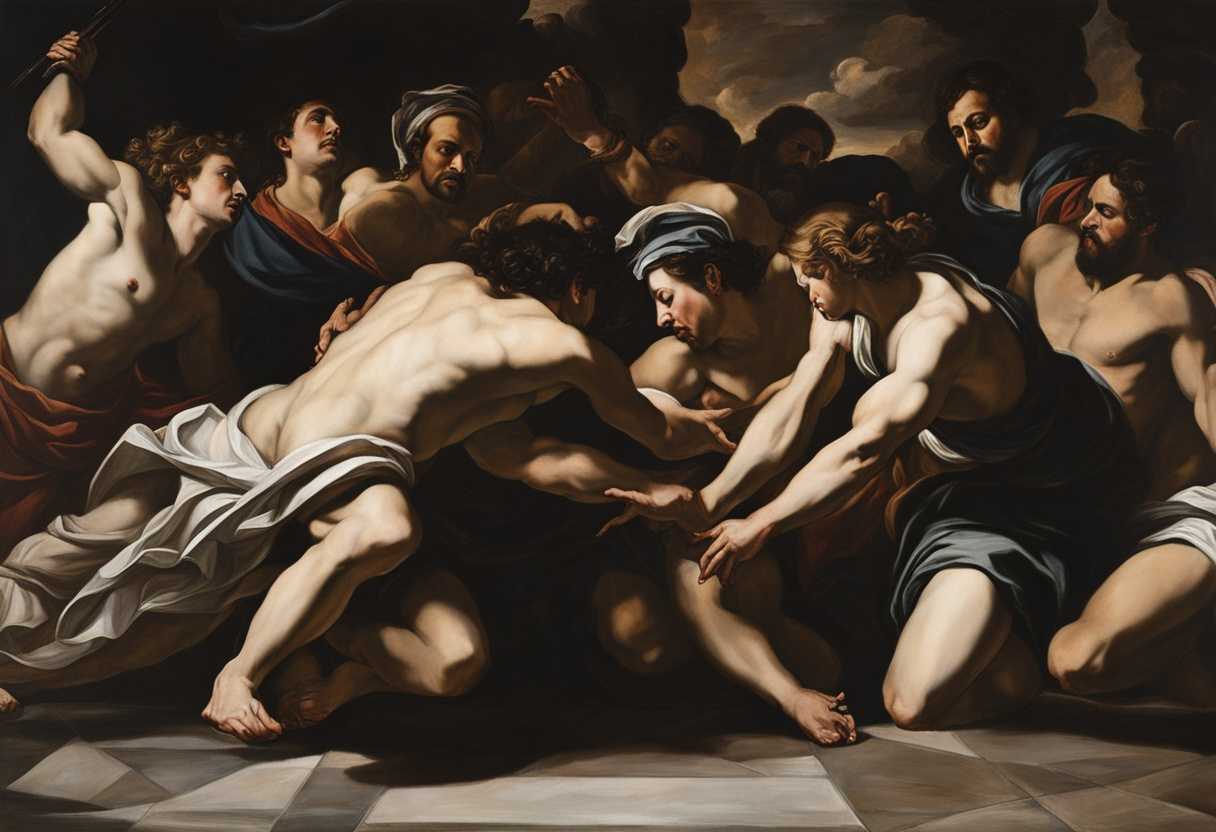
What the Bible Says About the Greek Definition of “Contend”
The Greek word for “contend” is “ἀγωνίζομαι” (agonizomai), which means to struggle, wrestle, or strive vigorously in a contest or conflict. In a biblical context, it often refers to the effort required in spiritual battles or the pursuit of faith (e.g., 1 Timothy 6:12). Scripture 24 And Jacob was left alone. And a man wrestled…
-

What the Bible Says About Peace in the Middle East
In the Bible, peace (Hebrew “shalom”) represents a state of completeness, wholeness, and harmony, both in individual lives and within communities. In the context of the Middle East, it often reflects the prophetic hope for reconciliation and unity among nations, as exemplified in passages like Isaiah 2:4, where swords are turned into plowshares. Scripture 2…
-

What the Bible Says About Wild Beasts
In the Bible, “wild beasts” often symbolize dangerous, untamed forces or nations, as seen in various prophetic and apocalyptic texts. They can also represent chaos and evil, contrasted with the order found in God’s creation (e.g., Psalm 50:10, Daniel 7:3). Scripture 24 And God said, “Let the earth bring forth living creatures according to their…
-

What the Bible Says About Sheol: Understanding Its Meaning
In the Bible, “shew” is an archaic term meaning to demonstrate, display, or reveal something. It often appears in contexts where God instructs people to manifest His will or truths to others. Scripture 22 There I will meet with you, and from above the mercy seat, from between the two cherubim that are on the…
-
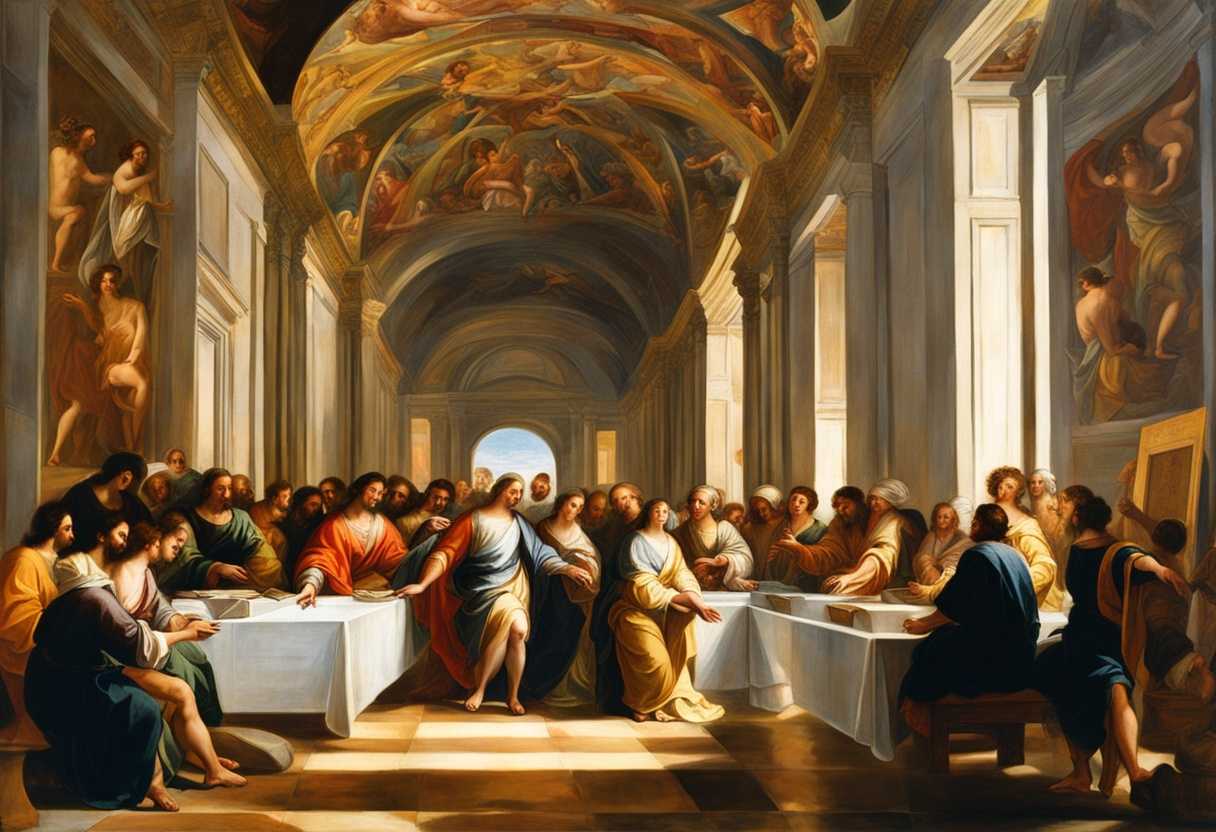
What the Bible Says About Democratizing Meaning
Democratizing the Bible refers to the process of making biblical texts accessible and interpretable to a broader audience, emphasizing individual engagement and interpretation rather than relying solely on institutional authority. This concept aligns with the biblical principle that all believers are called to read and understand Scripture, as seen in passages like 1 Peter 2:9,…
-

What the Bible Says About Betrothal
In the Bible, “betroth” refers to a formal engagement or promise of marriage, signifying a binding commitment between a man and a woman, often seen as being almost equivalent to marriage itself (Deuteronomy 22:23-24). This period was taken very seriously in Jewish culture, with implications of fidelity and legal obligations. Scripture 16 “If a man…
-

What the Bible Says About the Definition of Forsook
In the Bible, “forsook” refers to the act of abandoning or leaving behind, often in the context of a person turning away from God or renouncing faithfulness. It signifies a deliberate choice to ignore or reject a relationship, as seen in various scriptures that describe individuals or nations turning away from God’s commandments. Scripture 15…
-

What the Bible Books Mean: A Summary of Their Significance
The Bible consists of multiple books, each serving a unique purpose and conveying different messages. For example, Genesis outlines creation and the beginnings of humanity and Israel, while the Gospels (Matthew, Mark, Luke, and John) chronicle the life and teachings of Jesus Christ. Scripture 1 In the beginning, God created the heavens and the earth.…