
Author: Reverend Michael Johnson
-

What does Leviticus 8:6-9 really mean?
Leviticus 8:6-9 is about the consecration of Aaron and his sons as priests by Moses, symbolizing their purification and anointment for their sacred duty to serve God and the community. 6 And Moses brought Aaron and his sons and washed them with water. 7 And he put the coat on him and tied the sash…
-

What does Micah 5:7-8 really mean?
Micah 5:7-8 is about the restoration and triumph of God’s chosen people, symbolized by a remnant standing firm and victorious even in the midst of adversity and enemies. 7 Then the remnant of Jacob shall be in the midst of many peoples like dew from the Lord, like showers on the grass, which delay not…
-
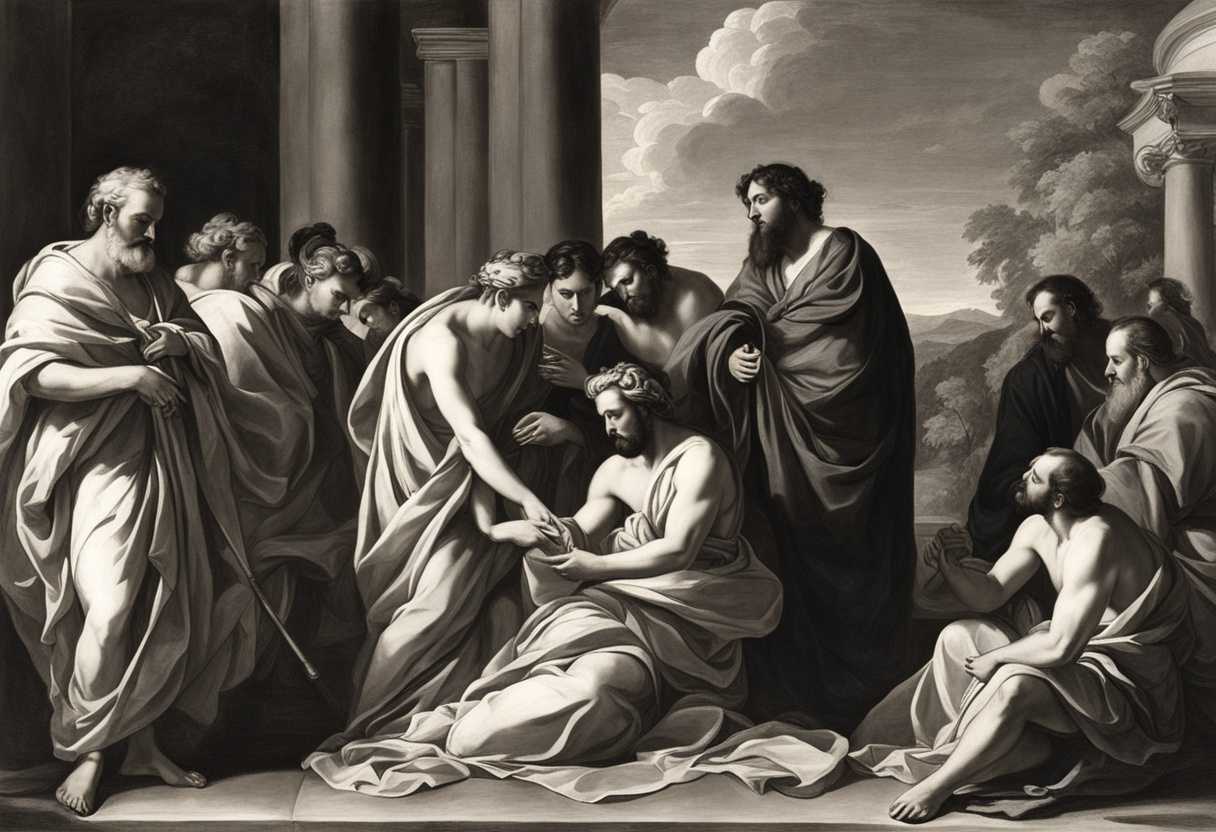
What does Leviticus 8:18-21 really mean?
Leviticus 8:18-21 is about the process of consecration and ordination of Aaron and his sons as priests, symbolizing their separation to serve God and the community in a holy and sacred manner. 18 Then he presented the ram of the burnt offering, and Aaron and his sons laid their hands on the head of the…
-

What does Leviticus 8:30-36 really mean?
Leviticus 8:30-36 is about the consecration of Aaron and his sons as priests before the Lord, emphasizing the importance of following God’s instructions with meticulous care and reverence in order to receive His blessing and approval. 30 Then Moses took some of the anointing oil and of the blood that was on the altar and…
-

What does Isaiah 37:36-37 really mean?
Isaiah 37:36-37 is about the ultimate power and protection of God, who defended His people against their enemies and brought about their salvation and deliverance. 36 And the angel of the Lord went out and struck down a hundred and eighty-five thousand in the camp of the Assyrians. And when people arose early in the…
-

What does Isaiah 9:18-19 really mean?
Isaiah 9:18-19 is about the consequences of wickedness and the judgment of God on those who turn away from Him, resulting in destruction and devastation. 18 For wickedness burns like a fire; it consumes briers and thorns; it kindles the thickets of the forest, and they roll upward in a column of smoke. 19 Through…
-

What does Leviticus 7:22-27 really mean?
Leviticus 7:22-27 is about the importance of abstaining from consuming any fat or blood of an animal as a way to demonstrate reverence for God and to follow His commandments. 22 The Lord spoke to Moses, saying, 23 “Speak to the people of Israel, saying, You shall eat no fat, of ox or sheep or…
-

What does Leviticus 25:29-34 really mean?
Leviticus 25:29-34 is about the regulations regarding the redemption of sold property in order to ensure the preservation of family inheritance and the acknowledgment that God is the ultimate owner of all land. 29 “If a man sells a dwelling house in a walled city, he may redeem it within a year of its sale.…
-
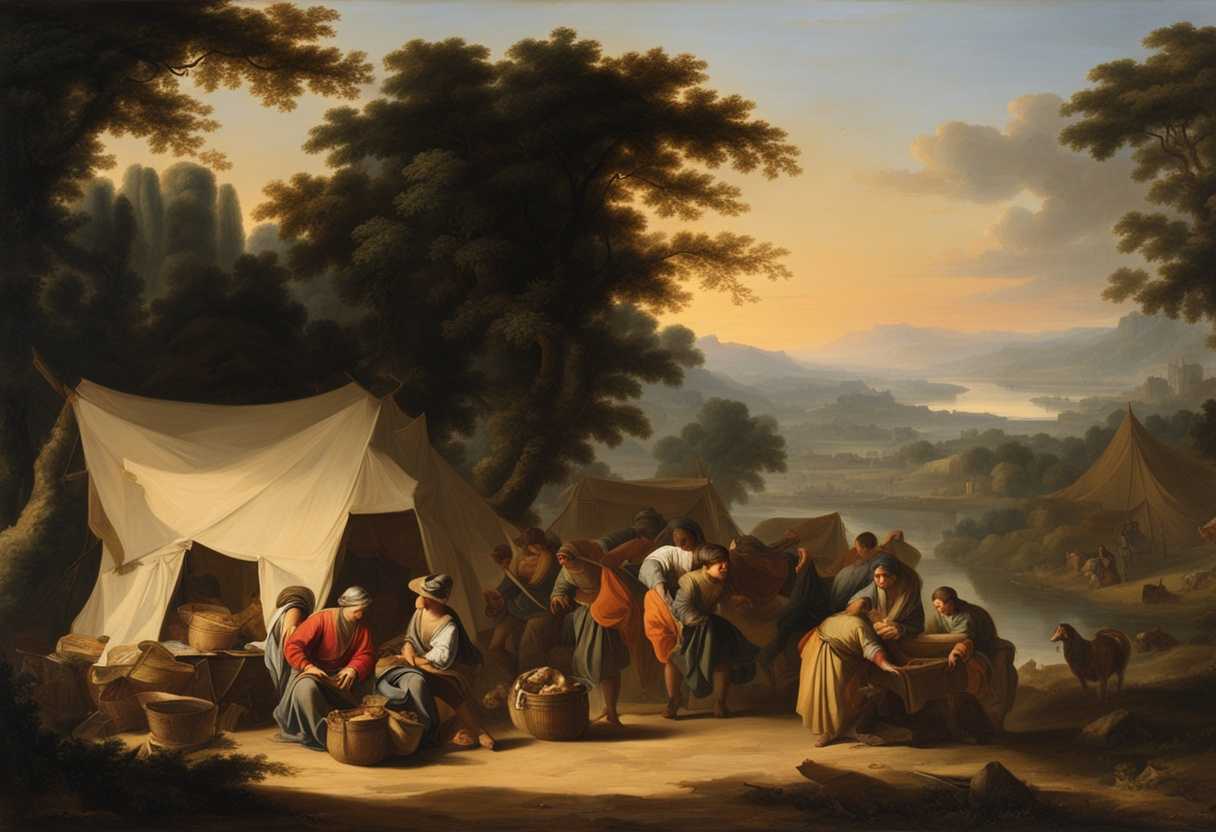
What does Numbers 33:41-43 really mean?
Numbers 33:41-43 is about the Israelites journeying from Mount Hor to Zalmonah and setting up camp at Punon, highlighting the importance of following God’s guidance and provisions during times of transition and uncertainty. 41 And they set out from Mount Hor and camped at Zalmonah. 42 And they set out from Libnah and camped at…
-

What does Deuteronomy 28:58-63 really mean?
Deuteronomy 28:58-63 is about the consequences of turning away from God and His commandments, leading to various disasters and suffering as punishment for disobedience. 58 “If you are not careful to do all the words of this law that are written in this book, that you may fear this glorious and awesome name, the Lord…