
Author: Reverend Michael Johnson
-
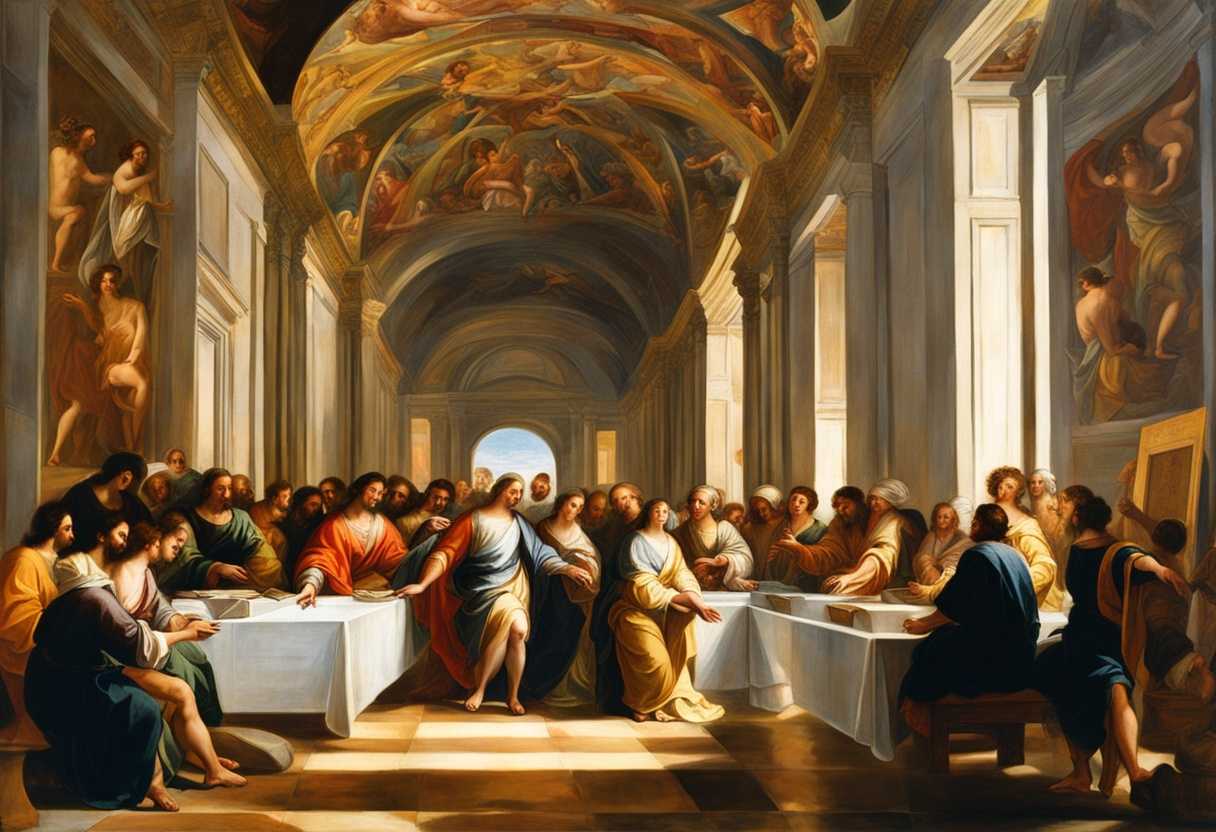
What the Bible Says About Democratizing Meaning
Democratizing the Bible refers to the process of making biblical texts accessible and interpretable to a broader audience, emphasizing individual engagement and interpretation rather than relying solely on institutional authority. This concept aligns with the biblical principle that all believers are called to read and understand Scripture, as seen in passages like 1 Peter 2:9,…
-

What the Bible Says About Like-Mindedness
In the Bible, “like-minded” refers to being in harmony or agreement in thoughts, beliefs, and attitudes among believers, particularly in the context of unity within the body of Christ (Philippians 2:2). It emphasizes the importance of mutual understanding and cooperation in pursuing God’s purposes. Scripture 5 May the God of endurance and encouragement grant you…
-

What the Bible Says About the Ladder: A Symbol of Connection and Ascent
In the Bible, a ladder often symbolizes a connection between heaven and earth, as seen in Jacob’s dream (Genesis 28:12), where it represents God’s communication and promises to humanity. Additionally, it can signify spiritual ascension and the journey towards divine fulfillment. Scripture 10 Jacob left Beersheba and went toward Haran. 11 And he came to…
-

What the Bible Says About Workmanship
In the Bible, “workmanship” refers to the unique creation and craftsmanship of God in shaping individuals, as expressed in Ephesians 2:10, which states that believers are God’s handiwork, created for good works. It emphasizes the intentional design and purpose that God has for each person. Scripture 8 For by grace you have been saved through…
-

What the Bible Says About Allegory
In the Bible, an allegory is a narrative that uses symbolic figures, events, and imagery to convey deeper spiritual truths and moral lessons. Notable examples include Paul’s use of allegory in Galatians 4:21-31, where he contrasts the covenant of law with the covenant of grace through the story of Hagar and Sarah. Scripture Tell me,…
-

What the Bible Says About the Leap of Faith
In the Bible, “leap” often signifies joy, excitement, or a powerful response to God’s actions. For example, in Luke 1:44, Elizabeth expresses that her unborn baby leapt in her womb in recognition of Mary’s presence, highlighting a divine connection and joy. Scripture 14 And David danced before the Lord with all his might. And David…
-

What the Bible Says About Thwarting Plans
In the Bible, to “thwart” means to prevent someone from accomplishing a purpose or plan, often used in the context of God’s sovereignty in overcoming human intentions (Proverbs 19:21). It highlights the distinction between human intentions and God’s ultimate will, showcasing that divine purposes cannot be undone. Scripture 6 And the Lord said, “Behold, they…
-

What the Bible Says About Alabaster: Definition and Significance
In the Bible, alabaster refers to a fine, translucent stone often used for creating perfume containers and ornamental objects. It symbolizes wealth and beauty, as seen in accounts such as the anointing of Jesus with expensive perfume from an alabaster jar (Matthew 26:7). Scripture 34 The Lord said to Moses, “Take sweet spices, stacte, and…
-

What the Bible Says About the Meaning of a Study Bible
A study Bible is a type of Bible that includes additional features such as notes, explanations, maps, and commentary to help readers understand the text more deeply. It is designed to enhance the study of Scripture by providing context and insights from biblical scholarship. Scripture 1 My son, if you receive my words and treasure…
-

What the Bible Says About Being Miserable
In the Bible, “miserable” often describes a state of deep distress or unhappiness, typically resulting from sin, suffering, or separation from God. It can reflect both physical and spiritual anguish, highlighting the need for divine comfort and redemption. Scripture 20 “Why is light given to him who is in misery, and life to the bitter…