
Author: Reverend Michael Johnson
-

What does Hosea 1:2-3 really mean?
Hosea 1:2-3 is about God using the prophet Hosea’s marriage to an adulterous woman as a metaphor for the unfaithfulness of Israel towards God, highlighting the depth of God’s love and faithfulness towards His people despite their continual disobedience. 2 When the Lord first spoke through Hosea, the Lord said to Hosea, “Go, take to…
-

What does Isaiah 21:1-10 really mean?
Isaiah 21:1-10 is about the impending judgment and downfall of Babylon, symbolizing the consequences of pride and arrogance, as well as the importance of staying alert to the signs of God’s judgment. 1 The oracle concerning the wilderness of the sea. As whirlwinds in the Negeb sweep on, it comes from the wilderness, from a…
-

What does Obadiah 1:1-2 really mean?
Obadiah 1:1-2 is about the prophet Obadiah receiving a vision from God to proclaim a message of judgment against the nation of Edom for their pride and mistreatment of the people of Israel. 1 The vision of Obadiah. Thus says the Lord God concerning Edom: We have heard a report from the Lord, and a…
-

What does Jeremiah 51:33 really mean?
Jeremiah 51:33 is about the inevitable destruction and desolation that will befall Babylon as a consequence of their pride, idolatry, and oppression of God’s people. 33 For thus says the Lord of hosts, the God of Israel: The daughter of Babylon is like a threshing floor at the time when it is trodden; yet a…
-

What does Isaiah 13:6-8 really mean?
Isaiah 13:6-8 is about the impending doom and destruction that will come upon Babylon as a result of God’s judgment for their wickedness and pride. 6 Wail, for the day of the Lord is near; as destruction from the Almighty it will come! 7 Therefore all hands will be feeble, and every human heart will…
-

What does Isaiah 22:5-8 really mean?
Isaiah 22:5-8 is about God’s judgment on Jerusalem for their lack of repentance and their refusal to acknowledge Him as their source of strength and protection. 5 For the Lord God of hosts has a day of tumult and trampling and confusion in the valley of vision, a battering down of walls and a shouting…
-

What does Isaiah 22:12-14 really mean?
Isaiah 22:12-14 is about God’s disappointment with the people of Jerusalem for their indulgent, careless, and self-centered behavior, calling them to repentance and warning them of the consequences of their actions. 12 In that day the Lord God of hosts called for weeping and mourning, for baldness and wearing sackcloth; 13 and behold, joy and…
-

What does Isaiah 22:15-18 really mean?
Isaiah 22:15-18 is about the downfall of Shebna, a proud and selfish official who was removed from his position of power and replaced by Eliakim, symbolizing God’s judgment on arrogance and his appointment of those who are faithful and responsible to carry out his will. 15 Thus says the Lord God of hosts, “Come, go…
-

What does Isaiah 22:21-22 really mean?
Isaiah 22:21-22 is about the appointment of Eliakim as a faithful steward representing the authority and trust bestowed upon him by God, symbolizing the transfer of leadership and responsibility within the kingdom. 21 And I will clothe him with your robe, and will bind your sash on him, and will commit your authority to his…
-
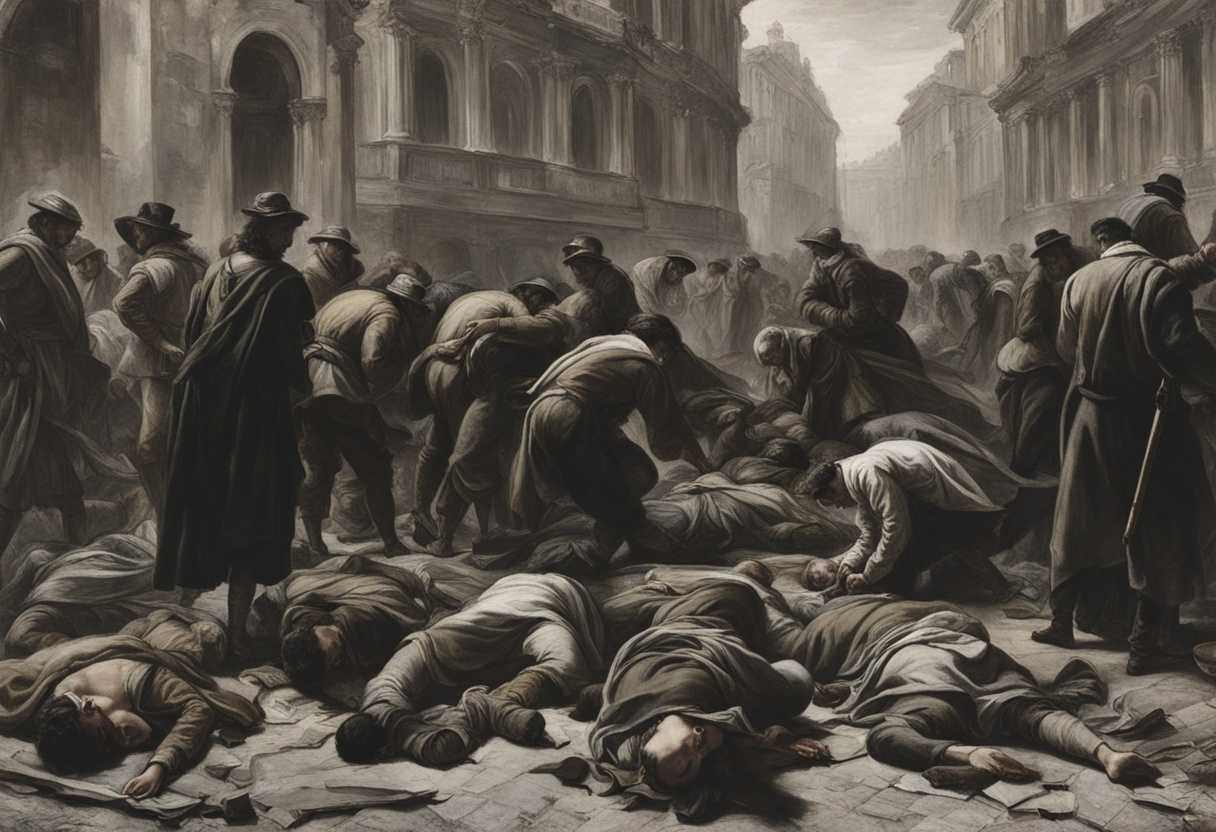
What does Lamentations 2:11 really mean?
Lamentations 2:11 is about the devastation and sorrow that befell Jerusalem due to its sins and disobedience towards God, resulting in the city’s desolation and the weeping of its inhabitants. 11 My eyes are spent with weeping; my stomach churns; my bile is poured out to the ground because of the destruction of the daughter…