
Lamentations 2:11 is about the devastation and sorrow that befell Jerusalem due to its sins and disobedience towards God, resulting in the city’s desolation and the weeping of its inhabitants.
11 My eyes are spent with weeping; my stomach churns; my bile is poured out to the ground because of the destruction of the daughter of my people, because infants and babies faint in the streets of the city.
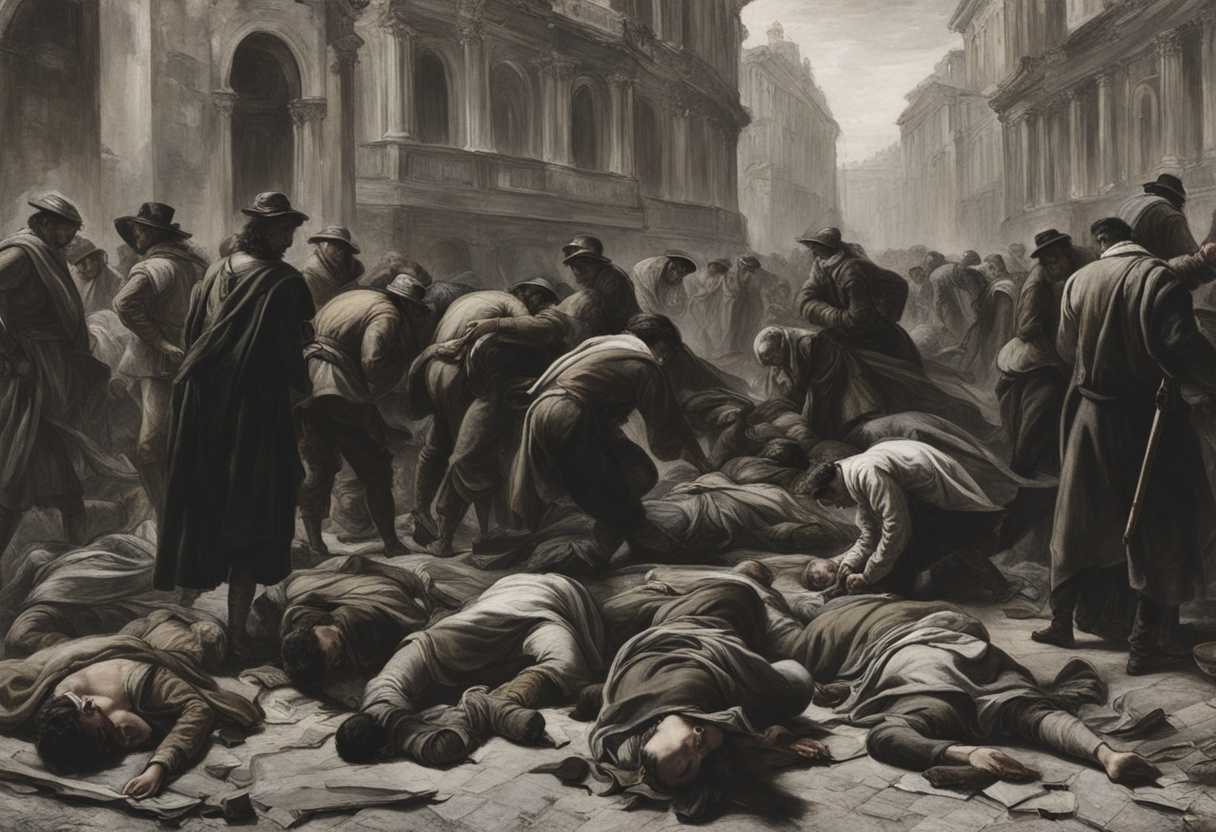
Setting the Scene for Lamentations 2:11
The scene in Lamentations 2:11 depicts a heartbreaking and somber moment in the aftermath of the destruction of Jerusalem. The verse describes how the people of Jerusalem are mourning and crying bitterly as they search for food and wine to sustain themselves, but there is none to be found. The city lies in ruins, and the once bustling streets are now desolate and empty.
In this scene, we see a group of survivors huddled together in the midst of the devastation. Among them are mothers cradling their hungry children, elderly men with tears streaming down their faces, and young people looking around in disbelief at the destruction that surrounds them. These individuals have come together out of a shared sense of loss and despair, seeking comfort and solace in each other’s presence.
The surroundings are grim and bleak, with the remnants of buildings smoldering in the background and the sound of wailing echoing through the streets. The air is thick with the smell of smoke and ash, serving as a constant reminder of the destruction that has befallen the once great city of Jerusalem. In this moment of despair, the survivors cling to each other for support, their faith tested but not broken as they try to make sense of the tragedy that has befallen them.
What is Lamentations 2:11 about?
This powerful verse conveys a sense of divine wrath and anger being unleashed. It signifies a moment of intense emotions and righteous indignation from the Lord. When we read these words, we are reminded of the deep sense of justice that God upholds and the consequences that come with violating His laws. But as we reflect on this verse, we must also consider the context in which it is written. What actions or behaviors led to such fury and anger being poured out? How can we learn from this example and ensure that we align ourselves with God’s will to avoid His wrath? As we delve into the depths of this verse, we confront the reality of the consequences of disobedience and the importance of repentance and seeking forgiveness. It serves as a reminder of the importance of living a life in accordance with God’s teachings to avoid facing His fierce anger. How can we strive to walk in righteousness and avoid provoking the Lord’s fury? What steps can we take to find redemption and grace in the midst of our struggles and sins? Let us reflect on this verse with humility and an open heart, seeking to understand the profound message it conveys about God’s justice and mercy.
Understanding what Lamentations 2:11 really means
In the context of the biblical book of Lamentations, penned by the prophet Jeremiah, we delve into a poignant series of poetic laments mourning the destruction of Jerusalem. Within this collection, Lamentations 2:11 stands out as a poignant portrayal of the profound sorrow and emotional turmoil experienced by the prophet as he witnesses the suffering of his people.
The phrase “My eyes fail from weeping” encapsulates the depth of Jeremiah’s grief, where tears flow so abundantly that his vision is clouded, symbolizing the profound nature of his sorrow. “I am in torment within” vividly portrays an internal anguish, a visceral pain caused by the emotional and spiritual distress he feels for his people. “My heart is poured out on the ground” conveys a sense of utter despair and helplessness, as if his very essence is draining away due to the overwhelming circumstances. The cause of his anguish is succinctly stated, “Because my people are destroyed,” highlighting his deep empathy and connection to his community. Furthermore, the image of “children and infants faint in the streets of the city” underscores the severity of the calamity and the depth of the prophet’s compassion for the innocent suffering.
Drawing parallels with other biblical passages, Jeremiah 9:1 and Psalm 119:136 echo the intense sorrow and continuous weeping found in Lamentations 2:11, emphasizing the profound emotional response to the suffering of God’s people. In Matthew 23:37, Jesus expresses a similar lament for Jerusalem, showcasing divine compassion and continuity in the theme of sorrow for a straying community.
The relevance of Lamentations 2:11 to contemporary society is profound. It serves as a poignant reminder of the importance of empathy and compassion towards those enduring hardships. This verse encourages us to acknowledge and express deep sorrow, recognizing that in times of personal or communal tragedy, embracing our pain is a crucial step towards healing. Moreover, it underscores the significance of community and solidarity, urging us to stand with those who are suffering within our own communities.
Consider a modern-day scenario where a community is ravaged by a natural disaster. A local pastor, akin to Jeremiah, embodies the weight of his community’s suffering. He tirelessly aids those in need, shedding tears with the afflicted, and offering solace. This anecdote mirrors the profound compassion and sorrow depicted in Lamentations 2:11, illustrating the timeless and indispensable nature of empathy and solidarity.
In conclusion, Lamentations 2:11 serves as a poignant reminder of the depth of human emotion and the imperative of compassion. It beckons us to partake in the suffering of others, to express our own grief authentically, and to unite as a community in times of adversity.
How can we keep God at the center?
One way to keep God at the center of our lives is through continuous communication with Him through prayer. Regularly speaking to God strengthens our relationship with Him and reminds us of His presence in our daily lives. This verse emphasizes the importance of seeking the Lord in prayer and seeking His face continually.
Another way to keep God at the center is by regularly reading and meditating on His Word, the Bible. The Bible is a source of guidance, wisdom, and truth that allows us to align our thoughts and actions with God’s will. We can ensure that God’s principles and teachings remain at the forefront of our minds and hearts by immersing ourselves in scripture.
Lastly, living a lifestyle that reflects God’s character and values helps us keep Him at the center of our lives. This includes demonstrating love, compassion, forgiveness, and humility towards others, as well as striving for obedience and faithfulness to God’s commandments. We honor God and draw closer to Him by consistently embodying these qualities, allowing Him to work through us to impact the world around us.
Application
In the complex maze of life, it’s easy to lose our way and drift from what truly matters. Let’s pause and recalibrate our hearts, aligning them with the divine compass that guides us towards peace and purpose. Don’t wait for the storm to reveal the cracks in your foundation – fortify it now with faith and steadfast intention. Will you choose to steer your course towards the light of God’s love, finding solace and strength in His eternal wisdom?

Reverend Michael Johnson is an experienced Church Minister with a profound expertise in spirituality and guidance. With a serene presence and a compassionate heart, he has faithfully served his congregation for over 20 years, leading them on a spiritual journey towards inner peace and enlightenment. Reverend Johnson’s extensive knowledge of religious philosophies and profound understanding of human nature have made him a trusted confidant and mentor to many, as he seamlessly weaves his profound wisdom into life teachings. Reverend Johnson’s calming demeanor and empathetic nature continue to uplift and heal souls, nurturing a sense of unity and tranquility within his community.