
Author: Reverend Michael Johnson
-

What does Isaiah 22:12-14 really mean?
Isaiah 22:12-14 is about God’s disappointment with the people of Jerusalem for their indulgent, careless, and self-centered behavior, calling them to repentance and warning them of the consequences of their actions. 12 In that day the Lord God of hosts called for weeping and mourning, for baldness and wearing sackcloth; 13 and behold, joy and…
-

What does Isaiah 22:15-18 really mean?
Isaiah 22:15-18 is about the downfall of Shebna, a proud and selfish official who was removed from his position of power and replaced by Eliakim, symbolizing God’s judgment on arrogance and his appointment of those who are faithful and responsible to carry out his will. 15 Thus says the Lord God of hosts, “Come, go…
-

What does Isaiah 22:21-22 really mean?
Isaiah 22:21-22 is about the appointment of Eliakim as a faithful steward representing the authority and trust bestowed upon him by God, symbolizing the transfer of leadership and responsibility within the kingdom. 21 And I will clothe him with your robe, and will bind your sash on him, and will commit your authority to his…
-
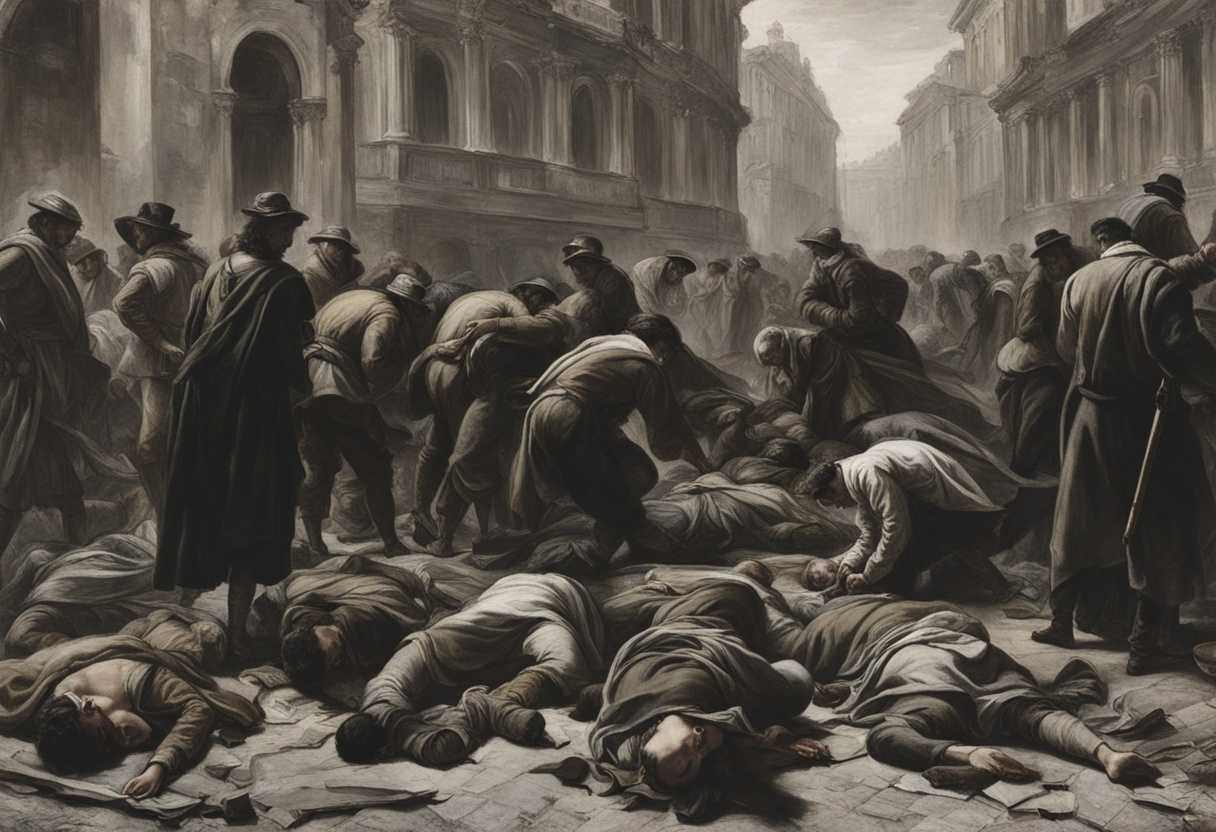
What does Lamentations 2:11 really mean?
Lamentations 2:11 is about the devastation and sorrow that befell Jerusalem due to its sins and disobedience towards God, resulting in the city’s desolation and the weeping of its inhabitants. 11 My eyes are spent with weeping; my stomach churns; my bile is poured out to the ground because of the destruction of the daughter…
-

What does Isaiah 23:1-5 really mean?
Isaiah 23:1-5 is about the downfall of the powerful coastal city of Tyre due to its reliance on earthly wealth and trade instead of trusting in God’s sovereignty. 1 The oracle concerning Tyre. Wail, O ships of Tarshish, for Tyre is laid waste, without house or harbor! From the land of Cyprus it is revealed…
-

What does Isaiah 23:10-14 really mean?
Isaiah 23:10-14 is about the downfall of Tyre, a powerful and prosperous city, as a consequence of their pride, oppressive practices, and reliance on wealth and material possessions instead of turning to God for guidance and protection. 10 Cross over your land like the Nile, O daughter of Tarshish; there is no restraint anymore. 11…
-

What does 1 Samuel 1:5-20 really mean?
1 Samuel 1:5-20 is about Hannah’s fervent prayer to God for a child, her faithfulness and persistent supplication leading to the birth of Samuel, illustrating the power of prayer and God’s faithfulness in answering the cries of the righteous. 5 But to Hannah he gave a double portion, because he loved her, though the Lord…
-

What does Isaiah 14:16-20 really mean?
Isaiah 14:16-20 is about the downfall of the King of Babylon and a vivid depiction of the consequences of pride and arrogance before God. 16 Those who see you will stare at you and ponder over you: “Is this the man who made the earth tremble, who shook kingdoms, 17 who made the world like…
-

What does Joshua 13:8-13 really mean?
Joshua 13:8-13 is about the allocation of territories to the tribes of Reuben, Gad, and half of the tribe of Manasseh on the eastern side of the Jordan River after they had fulfilled their military duty in helping the other Israelite tribes conquer Canaan, demonstrating the importance of fulfilling obligations and promises in biblical narratives.…
-

What does Psalms 69:19-21 really mean?
Psalms 69:19-21 is about the psalmist crying out for deliverance from his enemies and the suffering he endures, while also expressing trust in God’s steadfast love and salvation. 19 You know my reproach, and my shame and my dishonor; my foes are all known to you. 20 Reproaches have broken my heart, so that I…