
Category: 2 Kings
-

What does 2 Kings 24:14-16 really mean?
2 Kings 24:14-16 is about how King Nebuchadnezzar of Babylon exiled King Jehoiachin of Judah, along with his mother, wives, officials, and the leading men of the land to Babylon as punishment for their disobedience to God, fulfilling the prophecy of the Lord’s judgment upon Judah. 14 He carried away all Jerusalem and all the…
-

What does 2 Kings 18:1-6 really mean?
2 Kings 18:1-6 is about King Hezekiah’s faithful reign over Judah, purging the land of idolatry and turning to God for guidance and protection, demonstrating the importance of wholehearted devotion to God and the destruction of false idols. 1 In the third year of Hoshea son of Elah, king of Israel, Hezekiah the son of…
-

What does 2 Kings 10:32-36 really mean?
2 Kings 10:32-36 is about the consequences of King Jehu’s failure to completely follow God’s commandments, leading to the decline of his dynasty and the fulfillment of God’s prophecy of punishment against the house of Jehu. 32 In those days the Lord began to cut off parts of Israel. 33 from the Jordan eastward, all…
-

What does 2 Kings 3:21-27 really mean?
2 Kings 3:21-27 is about how God provided victory for the Israelites over the Moabites through a clever military strategy and the power of prophetic intervention. 21 And when all the Moabites heard that the kings had come up to fight against them, all who were able to put on armor, from the youngest to…
-

What does 2 Kings 5:20-24 really mean?
2 Kings 5:20-24 is about the greed and deceit of Gehazi, Elisha’s servant, who sought to benefit personally from Naaman’s healing by lying to him and accepting gifts against Elisha’s wishes, leading to his eventual punishment for his dishonesty. 20 But Gehazi, the servant of Elisha the man of God, said, “See, my master has…
-
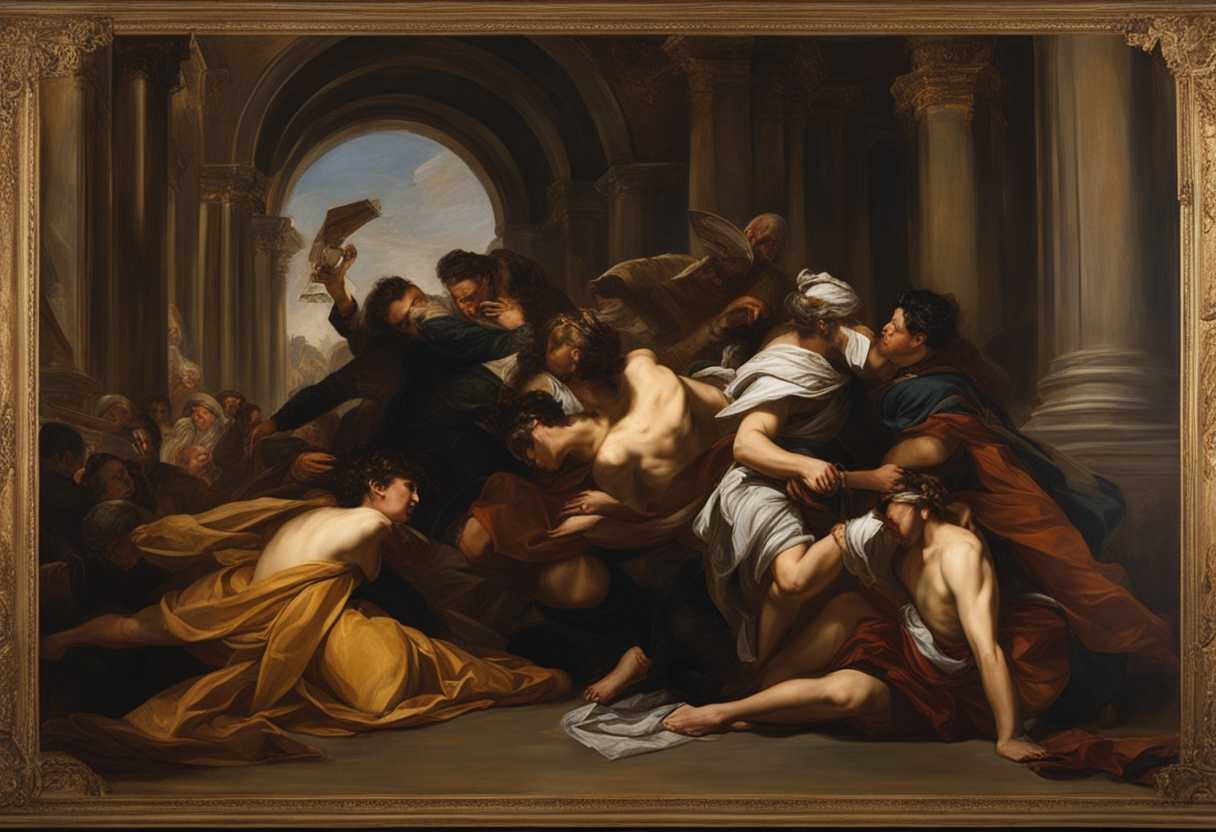
What does 2 Kings 15:27-31 really mean?
2 Kings 15:27-31 is about the assassination of King Pekah of Israel by Hoshea, depicting a time of political turmoil and instability when leaders faced violent consequences for their actions. 27 In the fifty-second year of Azariah king of Judah, Pekah the son of Remaliah began to reign over Israel in Samaria, and he reigned…
-

What does 2 Kings 8:16-24 really mean?
2 Kings 8:16-24 is about the reign of Jehoram, a king of Judah, who is portrayed as wicked and unfaithful, leading his kingdom into turmoil and ultimately facing a tragic end due to his disobedience to God. 16 In the fifth year of Joram the son of Ahab, king of Israel, when Jehoshaphat was king…
-
What does 2 Kings 18:9-12 really mean?
2 Kings 18:9-12 is about King Hezekiah’s rebellion against the Assyrian King Sennacherib, highlighting Hezekiah’s defiance in refusing to serve the Assyrians and his trust in the Lord’s protection. 9 In the fourth year of King Hezekiah, which was the seventh year of Hoshea son of Elah, king of Israel, Shalmaneser king of Assyria came…
-
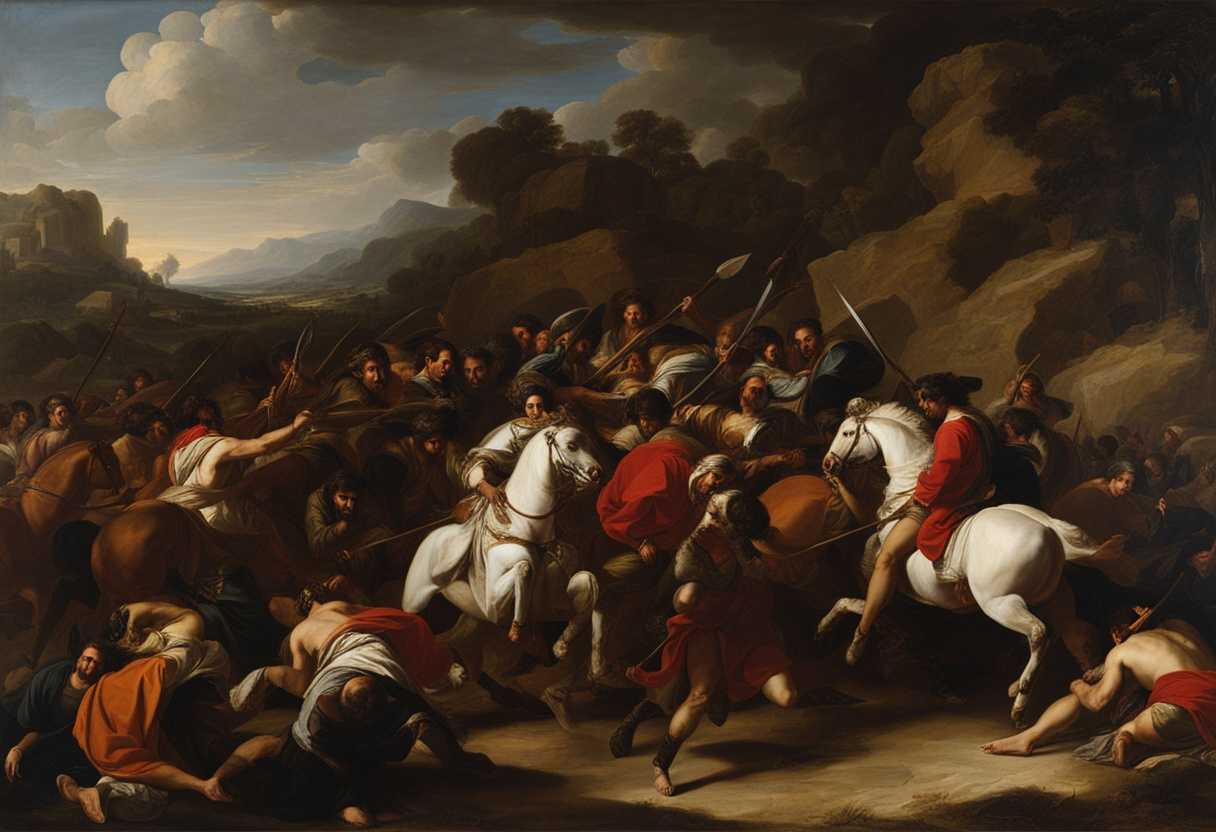
What does 2 Kings 2:16-18 really mean?
2 Kings 2:16-18 is about Elisha receiving the power of God to perform miracles and demonstrating his authority as a true prophet by parting the waters of the Jordan River, revealing his divine connection and successorship to the great prophet Elijah. 16 And they said to him, “Behold now, there are with your servants fifty…
-

What does 2 Kings 22:19-20 really mean?
2 Kings 22:19-20 is about God’s promise to bring destruction upon the land due to the disobedience of the people, but also showing mercy towards King Josiah for his humility and repentance. 19 because your heart was penitent, and you humbled yourself before the Lord, when you heard how I spoke against this place and…