
Category: 2 Kings
-

What does 2 Kings 18:7 really mean?
2 Kings 18:7 is about King Hezekiah’s faithfulness to the Lord, illustrating how his reliance on God and reformative actions led to divine protection and success against foreign adversaries, signifying the importance of faith and obedience in the face of challenges. 7 And the Lord was with him; wherever he went out, he prospered. He…
-
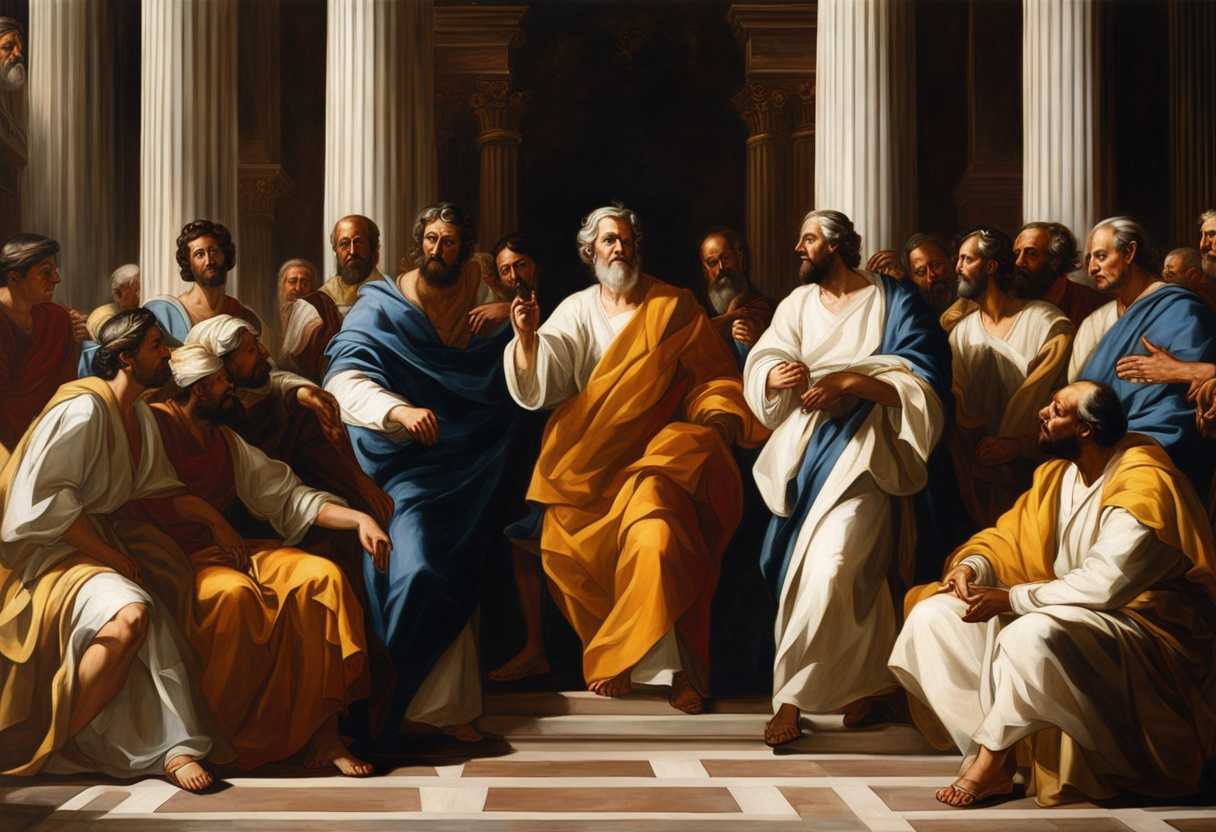
What does 2 Kings 23:2 really mean?
2 Kings 23:2 is about King Josiah of Judah gathering all the elders and people to the temple to read aloud the Book of the Law, signifying a national renewal of covenantal commitment to God’s commandments and a call to reform the moral and spiritual life of the nation. 2 And the king went up…
-

What does 2 Kings 14:17-20 really mean?
2 Kings 14:17-20 is about the reign of King Amaziah of Judah, detailing his actions after a military defeat, including his conflict with a neighboring king and ultimately his assassination, highlighting themes of accountability, the consequences of arrogance, and the volatility of power. 17 Amaziah the son of Joash, king of Judah, lived fifteen years…
-

What does 2 Kings 19:10-13 really mean?
2 Kings 19:10-13 is about the Assyrian king Sennacherib sending a message to King Hezekiah of Judah, challenging the efficacy of his faith in God and boasting about the Assyrian victories over other nations, which serves to highlight the tension between trust in divine power versus human might amidst a looming military threat. 10 “Thus…
-

What does 2 Kings 23:4-25 really mean?
2 Kings 23:4-25 is about King Josiah’s efforts to reform Judah by removing idolatry, restoring temple worship, and renewing the covenant with God, ultimately highlighting the significance of obedience to divine commandments and the pursuit of spiritual integrity. 4 And the king commanded Hilkiah the high priest and the priests of the second order and…
-

What does 2 Kings 16:10-18 really mean?
2 Kings 16:10-18 is about King Ahaz of Judah’s misguided reliance on Assyrian power and idolatry, highlighting the dangers of turning away from the Lord for political gain and the consequent abandonment of true worship in favor of pagan practices. 10 When King Ahaz went to Damascus to meet Tiglath-pileser king of Assyria, he saw…
-

What does 2 Kings 19:20-34 really mean?
2 Kings 19:20-34 is about the prophet Isaiah delivering God’s response to King Hezekiah’s prayer for deliverance from the Assyrian threat, emphasizing God’s sovereignty, the assurance of protection for Jerusalem, and the impending judgment against Assyria. 20 Then Isaiah the son of Amoz sent to Hezekiah, saying, “Thus says the Lord, the God of Israel:…
-
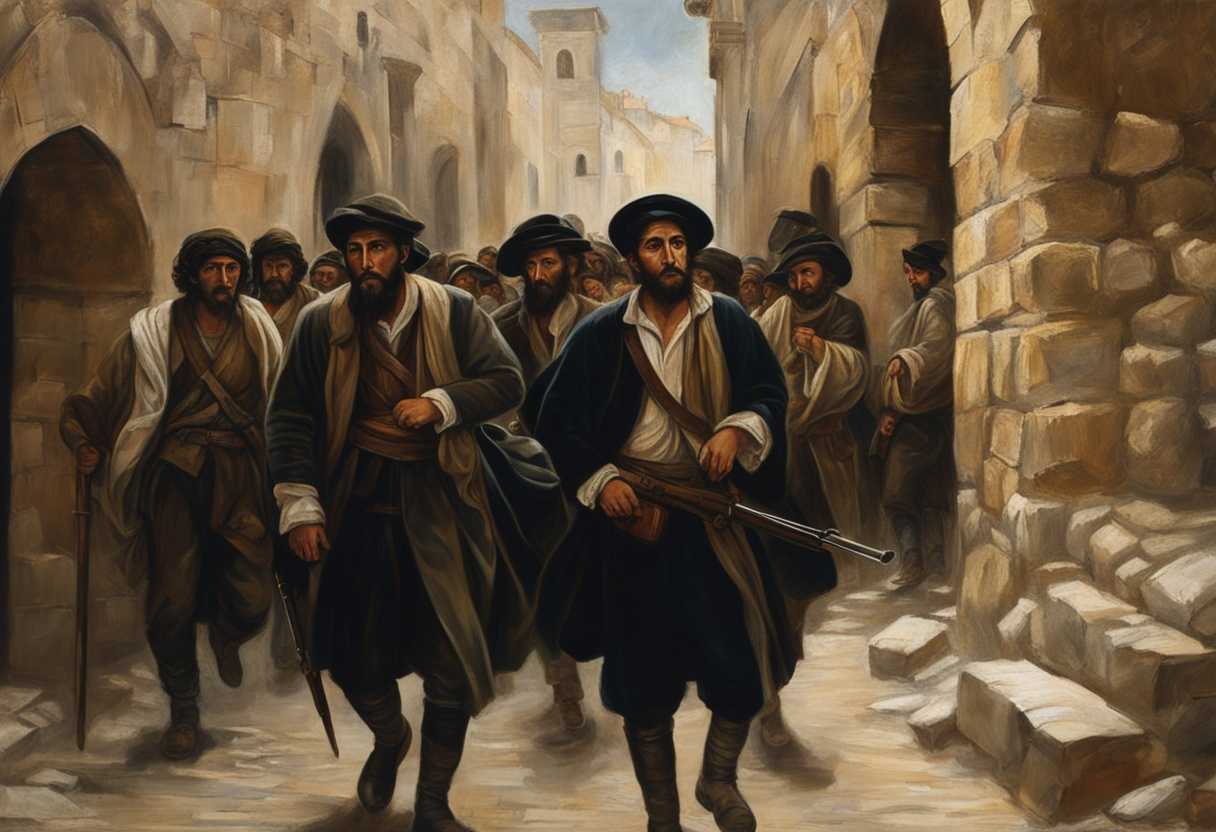
What does 2 Kings 24:1-17 really mean?
2 Kings 24:1-17 is about the siege of Jerusalem by King Nebuchadnezzar of Babylon and the subsequent exile of the Jewish people, illustrating the consequences of disobedience to God and the fulfillment of divine prophecy regarding Israel’s judgment and the eventual loss of sovereignty. 2 And the Lord sent against him bands of the Chaldeans…
-
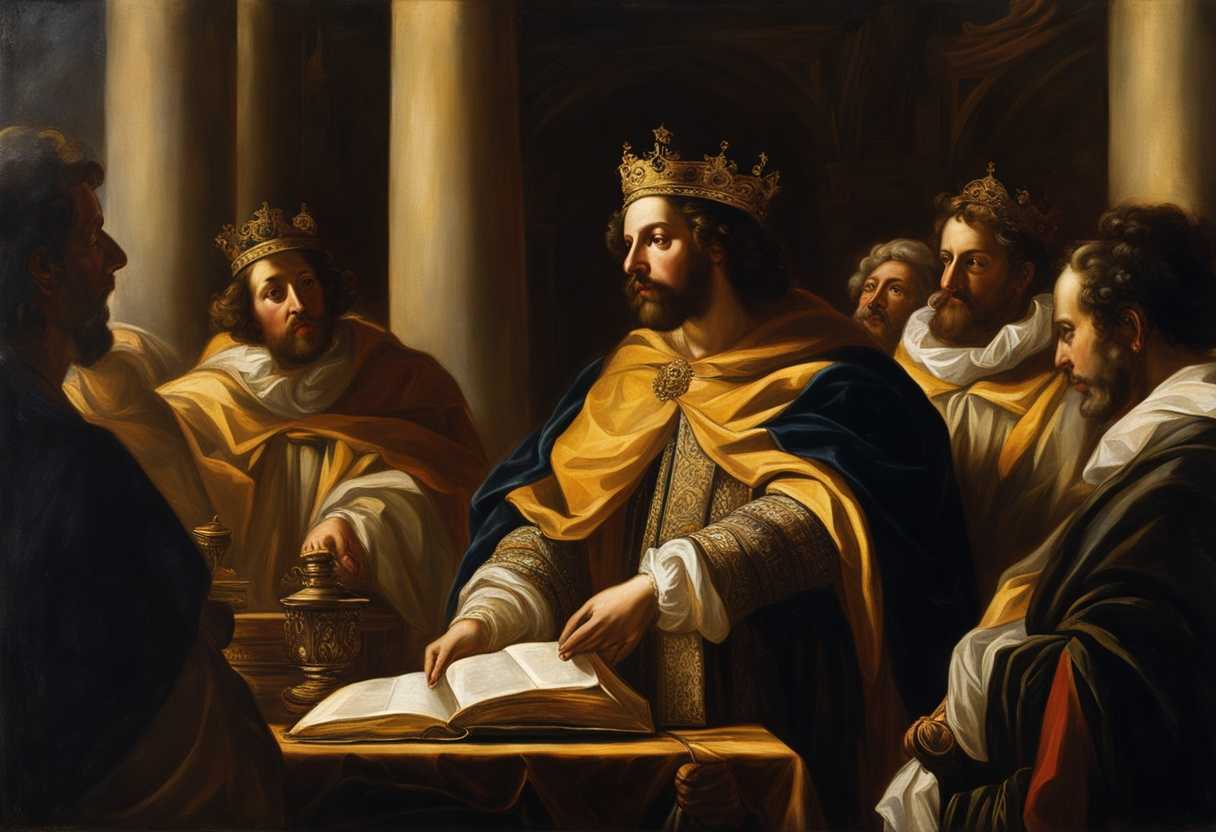
What does 2 Kings 22-23 really mean?
2 Kings 22-23 is about the rediscovery of the Book of the Law during King Josiah’s reign, leading to a profound religious reform that emphasizes the importance of returning to true worship and obedience to God’s commandments, ultimately illustrating the transformative power of repentance and covenant renewal. 1 Josiah was eight years old when he…
-

What does 2 Kings 16:19-20 really mean?
2 Kings 16:19-20 is about the assessment of King Ahaz’s reign and his actions, highlighting the consequences of his choices in abandoning faithfulness to God for political expediency, ultimately leading to his demise and the downfall of his kingdom. 19 Now the rest of the acts of Ahaz that he did, are they not written…