
Category: 2 Kings
-

What does 2 Kings 9:27-28 really mean?
2 Kings 9:27-28 is about the violent downfall of King Ahaziah, who is mortally wounded by Jehu as he attempts to escape, symbolizing the inevitable judgment and demise of those who oppose God’s will. 27 When Ahaziah the king of Judah saw this, he fled in the direction of Beth-haggan. And Jehu pursued him and…
-

What does 2 Kings 10:30 really mean?
2 Kings 10:30 is about God’s promise to bless Jehu for his zealous actions in eradicating the worship of Baal, highlighting the themes of divine approval and the importance of faithfulness to God’s commands in leadership. 30 And the Lord said to Jehu, “Because you have done well in carrying out what is right in…
-
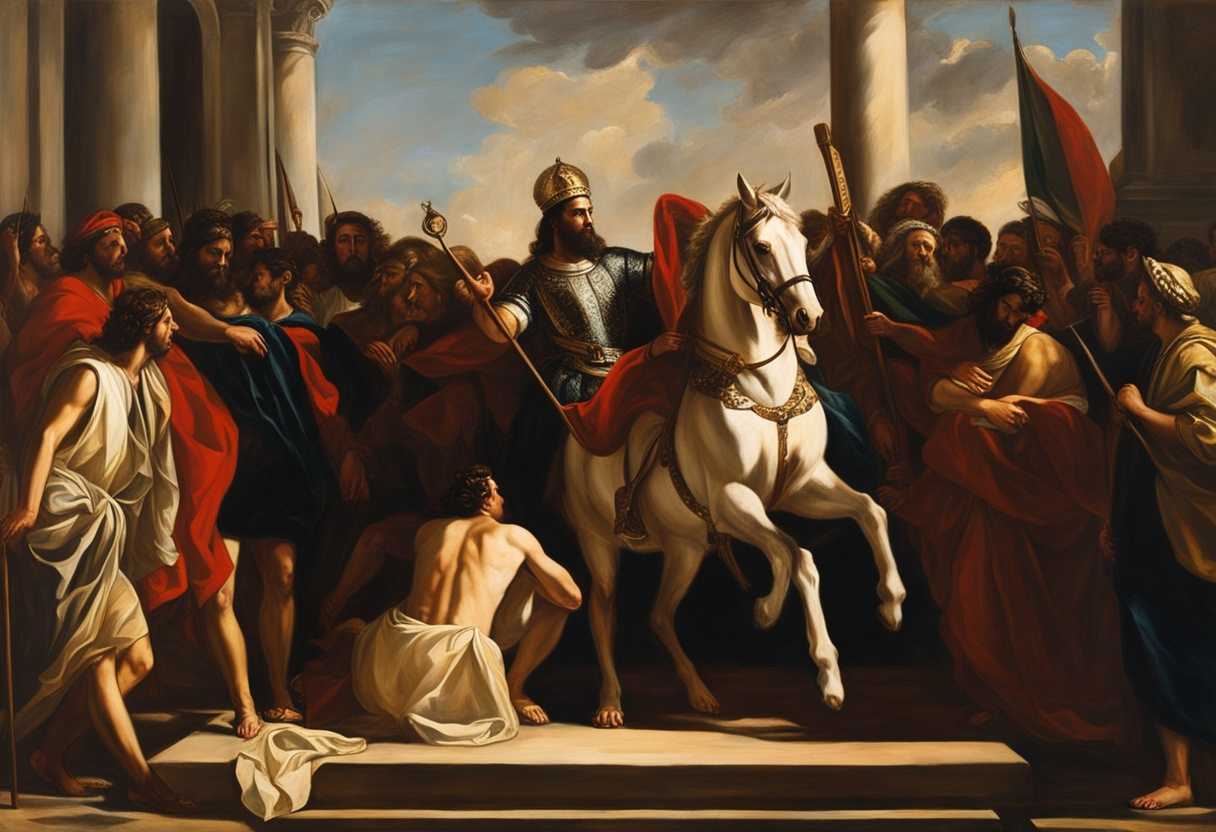
What does 2 Kings 18:3-6 really mean?
2 Kings 18:3-6 is about King Hezekiah of Judah, who initiates a religious reform by removing idols and high places, demonstrating his commitment to worshiping Yahweh alone and restoring the covenant relationship between God and His people, which signifies the importance of fidelity to divine commandments in the context of national identity and spiritual integrity.…
-

What does 2 Kings 22:8-13 really mean?
2 Kings 22:8-13 is about the discovery of the Book of the Law in the temple during King Josiah’s reign, which leads to a profound realization of the people’s disobedience to God’s commandments and prompts a national awakening and reform towards faithfulness and repentance. 8 And Hilkiah the high priest said to Shaphan the secretary,…
-

What does 2 Kings 9:36-37 really mean?
2 Kings 9:36-37 is about the fulfillment of prophecy regarding the death of Jezebel, highlighting the inevitable judgment that comes as a result of her wickedness and idolatry, illustrating the broader theme of divine retribution in the narrative of Israel’s history. 36 Therefore they came back and told him. And he said, “This is the…
-
What does 2 Kings 10:30-31 really mean?
2 Kings 10:30-31 is about God’s judgment upon the house of Ahab through Jehu, highlighting the fulfillment of divine prophecy, while also emphasizing that despite Jehu’s zealous actions against Baal worship, he did not fully adhere to following the Lord, demonstrating the complexity of faithfulness and the dangers of incomplete obedience. 30 And the Lord…
-

What does 2 Kings 18:4-6 really mean?
2 Kings 18:4-6 is about King Hezekiah’s reforms in Judah, highlighting his destruction of idols and altars, as well as his unwavering trust in the Lord, which emphasizes the importance of faithfulness to God and the rejection of idolatry for national revival and spiritual integrity. 4 He removed the high places and broke the pillars…
-

What does 2 Kings 23:15-16 really mean?
2 Kings 23:15-16 is about King Josiah’s righteous actions in destroying the artifacts and altars associated with pagan worship found in the former king Solomon’s idolatrous high places, demonstrating his commitment to restoring true worship of Yahweh and purging the land of idolatry. 15 Moreover, the altar at Bethel, the high place erected by Jeroboam…
-

What does 2 Kings 9-10 really mean?
2 Kings 9-10 is about the anointing of Jehu as king of Israel and his subsequent eradication of the house of Ahab, illustrating themes of divine judgment, the fulfillment of prophetic word, and the restoration of righteous leadership over a morally corrupt kingdom. 1 Then Elisha the prophet called one of the sons of the…
-
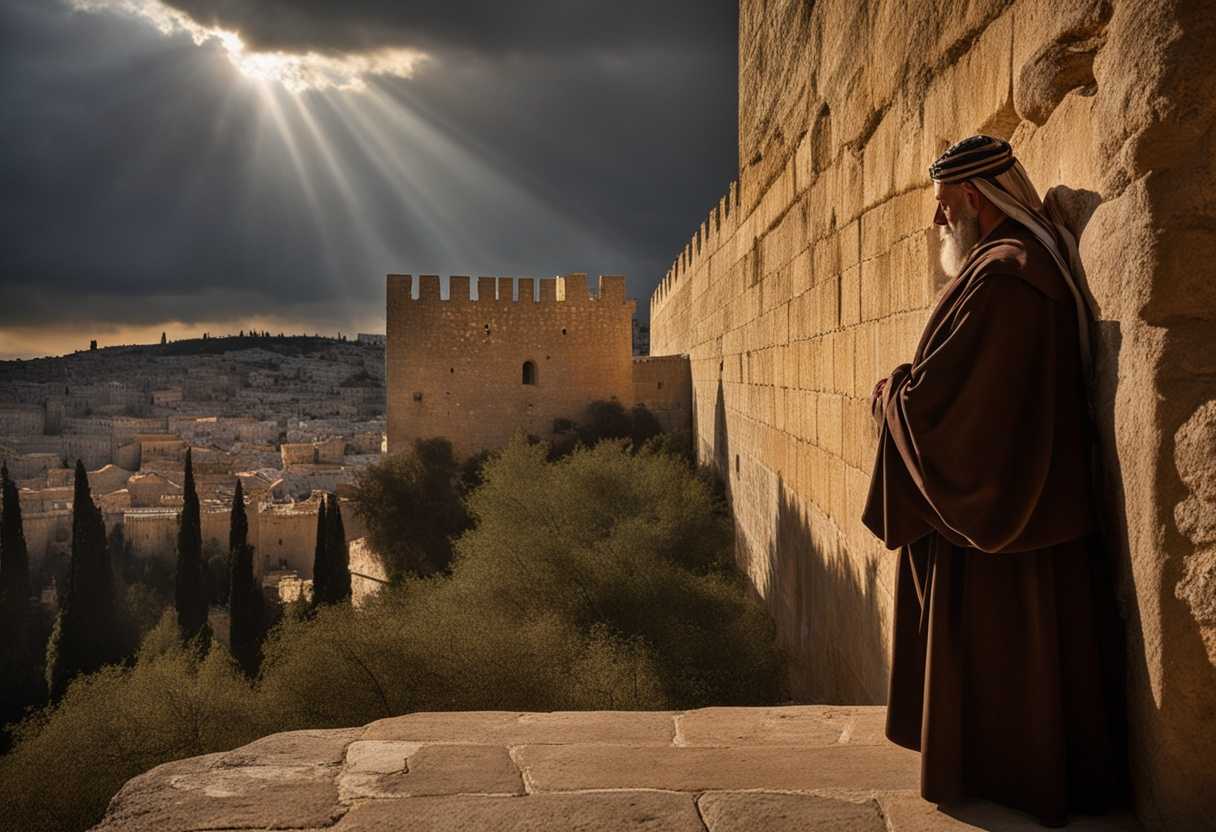
What does 2 Kings 18-19 really mean?
2 Kings 18-19 is about the Assyrian siege of Jerusalem during King Hezekiah’s reign, highlighting themes of faith, divine intervention, and the power of prayer, as Hezekiah seeks God’s help in the face of overwhelming odds and is ultimately delivered from the threat of conquest. 1 In the third year of Hoshea son of Elah,…