
Category: Acts
-
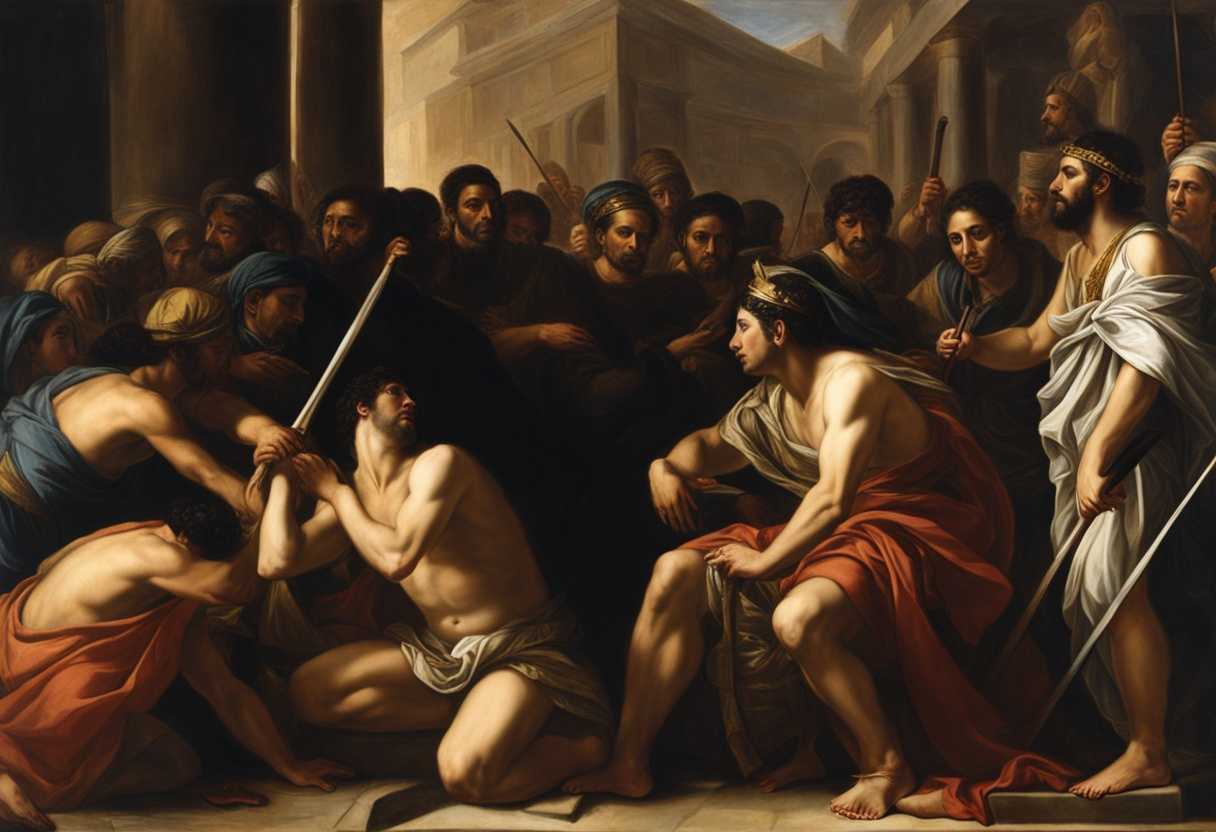
What does Acts 7:18-19 really mean?
Acts 7:18-19 is about the oppressive rise of a new king over Egypt who exploited the Israelites, reflecting themes of persecution and the moral decay of leadership that lead to suffering among God’s people. 18 until there arose over Egypt another king who did not know Joseph. 19 He dealt shrewdly with our race and…
-

What does Acts 21:27-29 really mean?
Acts 21:27-29 is about the tensions and misunderstandings that arise when Paul is accused of violating Jewish law, highlighting the struggle between early Christianity and traditional Jewish beliefs, as well as the broader theme of identity and the challenges faced by Paul as he seeks to reconcile his faith with cultural expectations. 27 When the…
-
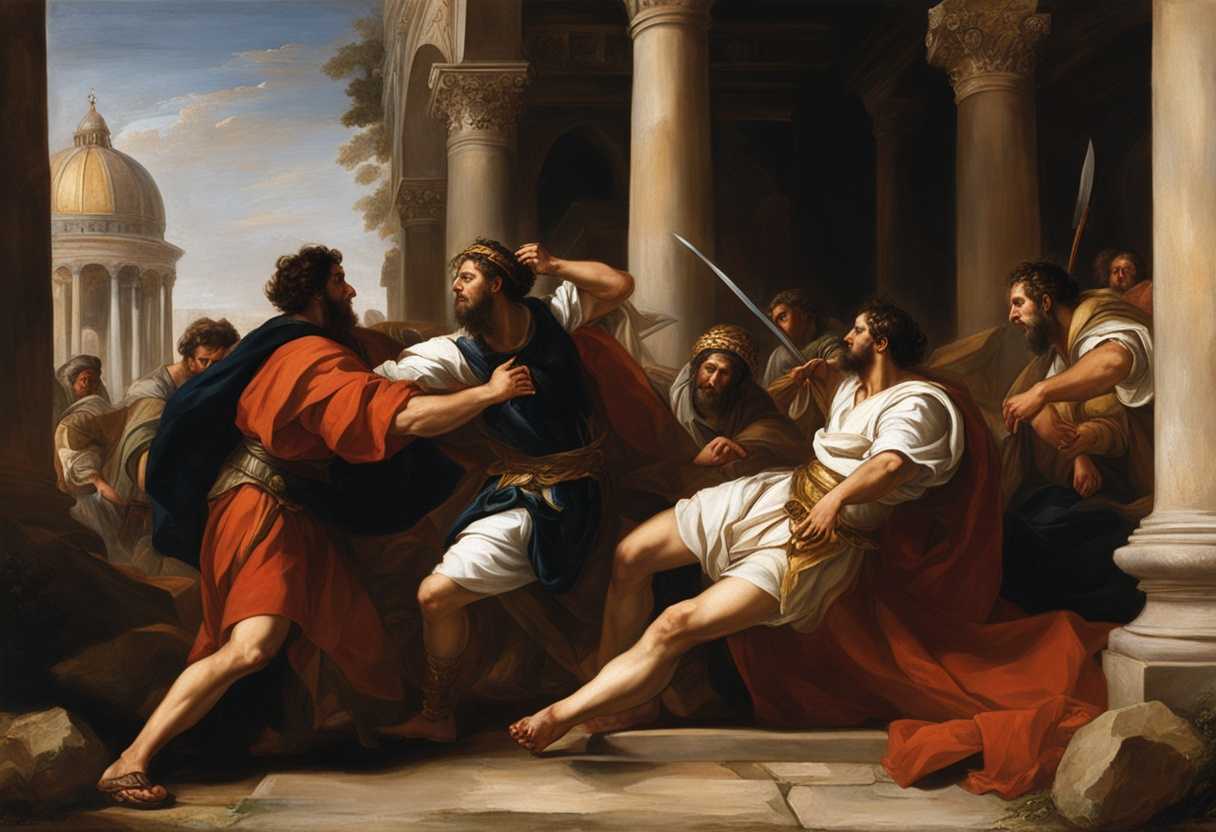
What does Acts 21:37-39 really mean?
Acts 21:37-39 is about the Apostle Paul addressing a Roman commander in Jerusalem, revealing his identity as a Roman citizen and a Jew, which highlights the themes of identity, the tension between different cultures, and the protection of civil rights within the narrative of his missionary journey. 37 As Paul was about to be brought…
-

What does Acts 25:25 really mean?
Acts 25:25 is about the Apostle Paul asserting his right to a trial before Caesar, highlighting themes of justice, the legal system of the Roman Empire, and Paul’s determination to defend his faith amidst persecution. 25 But I found that he had done nothing deserving death. And as he himself appealed to the emperor, I…
-

What does Acts 26:24-25 really mean?
Acts 26:24-25 is about the moment when Festus interrupts Paul’s defense, accusing him of being insane due to his passionate proclamation of the gospel, while Paul confidently asserts that his words are both rational and true, highlighting the tension between faith and perception in a world often skeptical of spiritual truths. 24 And as he…
-

What does Acts 27:23-25 really mean?
Acts 27:23-25 is about the assurance and hope that Paul receives from an angel of God amidst a perilous sea voyage, highlighting the theme of divine providence and the faithfulness of God’s promises amidst trials and adversity. 23 For this very night there stood before me an angel of the God to whom I belong…
-
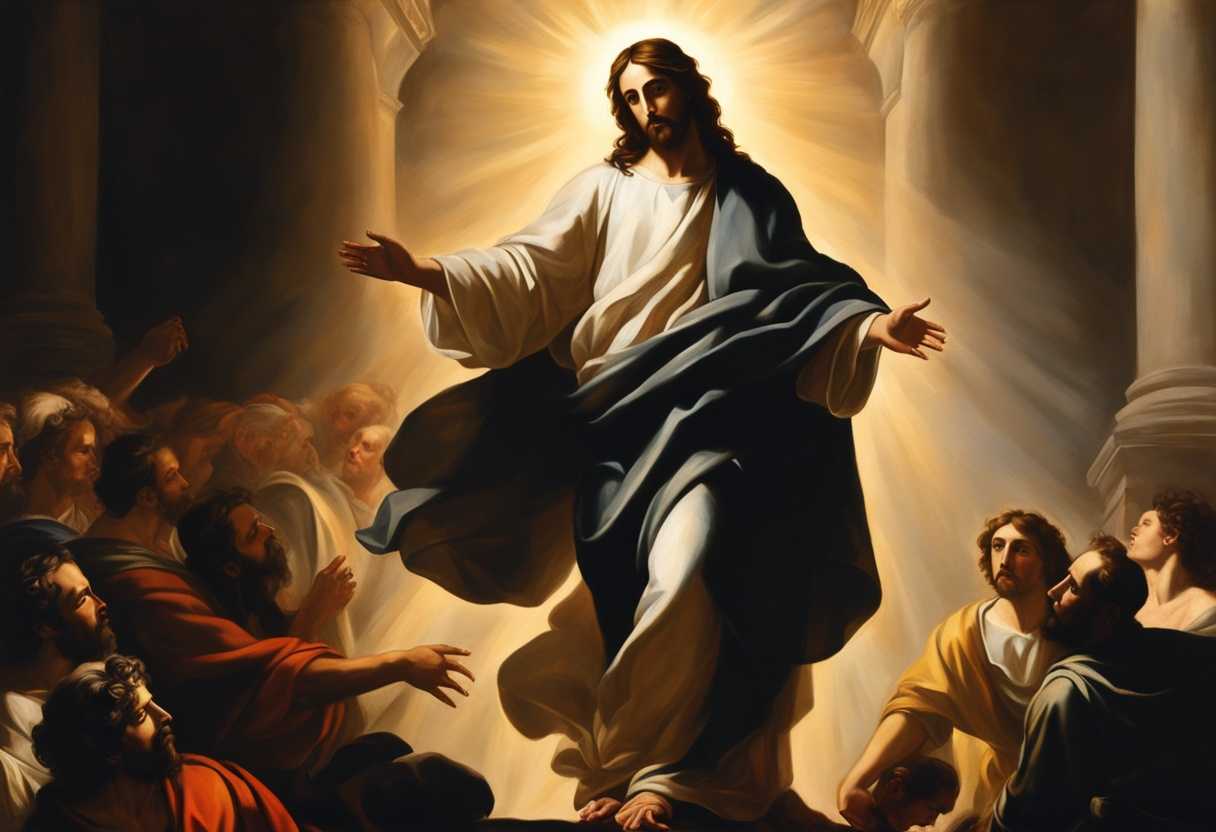
What does Acts 4:26-27 really mean?
Acts 4:26-27 is about the fulfillment of God’s sovereign plan as it recognizes the opposition faced by Jesus from both powerful earthly authorities and spiritual forces, illustrating how their actions are part of a divine narrative that ultimately leads to salvation and the establishment of God’s kingdom. 26 The kings of the earth set themselves,…
-
What does Acts 5:34-39 really mean?
Acts 5:34-39 is about the wise counsel of Gamaliel, a Pharisee who advises the Sanhedrin to refrain from punishing the apostles, suggesting that if their movement is of human origin, it will fail, but if it is from God, they will not be able to stop it, emphasizing the importance of discernment and understanding divine…
-

What does Acts 7:21 really mean?
Acts 7:21 is about Moses’ early life, highlighting that he was raised in Pharaoh’s household and signaling the divine plan for his future leadership and deliverance of the Israelites from slavery, showcasing how God often prepares individuals for their significant roles through unexpected circumstances. 21 and when he was exposed, Pharaoh’s daughter adopted him and…
-

What does Acts 7:21-23 really mean?
Acts 7:21-23 is about Moses, who was saved from death as an infant and later recognized his identity and calling among his people, highlighting themes of deliverance, identity, and the providence of God in preparing a leader for the Israelites during their oppression in Egypt. 21 and when he was exposed, Pharaoh’s daughter adopted him…