
Category: Ecclesiastes
-

What does Ecclesiastes 7:23-26 really mean?
Ecclesiastes 7:23-26 is about the complexity of understanding and navigating the moral landscape of the world, emphasizing the importance of wisdom and discernment in the face of human nature’s inherent imperfection and tendency towards deception. 23 All this I have tested by wisdom. I said, “I will be wise,” but it was far from me.…
-
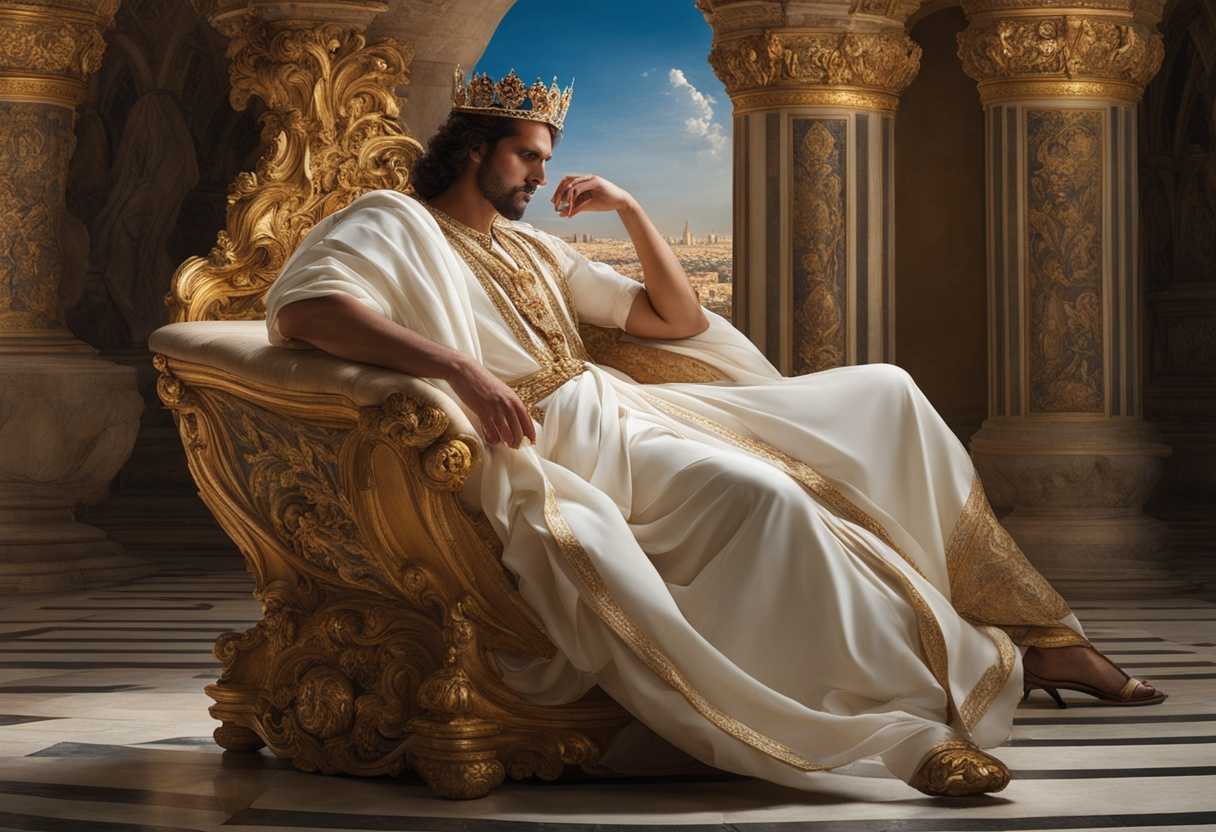
What does Ecclesiastes 1:12-15 really mean?
Ecclesiastes 1:12-15 is about the repetition and futility of human endeavors and the endless cycle of life, highlighting the limited understanding and wisdom of mankind in trying to make sense of the world around them. 12 I the Preacher have been king over Israel in Jerusalem. 13 And I applied my heart to seek and…
-

What does Ecclesiastes 2:4-8 really mean?
Ecclesiastes 2:4-8 is about King Solomon reflecting on all the extravagant pleasures and material wealth he acquired, realizing the vanity of such pursuits and the emptiness they ultimately bring, highlighting the futility of seeking fulfillment in earthly treasures alone. 4 I made great works. I built houses and planted vineyards for myself. 5 I made…
-

What does Ecclesiastes 7:5-10 really mean?
Ecclesiastes 7:5-10 is about the importance of learning from adversity and not dwelling on the past, recognizing the limitations of human wisdom and understanding, and seeking to maintain a balanced perspective on life. 5 It is better for a man to hear the rebuke of the wise than to hear the song of fools. 6…
-

What does Ecclesiastes 1:1-3 really mean?
Ecclesiastes 1:1-3 is about the cyclical and repetitive nature of life, emphasizing that all human activities and endeavors are ultimately meaningless and without lasting significance. 1 The words of the Preacher, the son of David, king in Jerusalem. 2 Vanity of vanities, says the Preacher, vanity of vanities! All is vanity. 3 What does man…
-

What does Ecclesiastes 2:9-11 really mean?
Ecclesiastes 2:9-11 is about the fleeting nature of earthly pleasures and the realization that material possessions and achievements ultimately do not bring lasting fulfillment or satisfaction. 9 So I became great and surpassed all who were before me in Jerusalem. 10 And whatever my eyes desired I did not keep from them. I kept my…
-

What does Ecclesiastes 8:14-17 really mean?
Ecclesiastes 8:14-17 is about the mysterious and unpredictable nature of life and the acknowledgment that ultimately, only God holds the power to understand and control the course of events. 14 There is a vanity that takes place on earth, that there are righteous people to whom it happens according to the deeds of the wicked,…
-
What does Ecclesiastes 1:2-4 really mean?
Ecclesiastes 1:2-4 is about acknowledging the cyclical nature of life and the futility of human endeavors in the face of the eternal constancy of the natural world. 2 Vanity of vanities, says the Preacher, vanity of vanities! All is vanity. 3 What does man gain by all the toil at which he toils under the…
-

What does Ecclesiastes 1:16-18 really mean?
Ecclesiastes 1:16-18 is about King Solomon’s realization that seeking knowledge and wisdom can bring sorrow and vexation of spirit, as the more one knows, the more one realizes the extent of human ignorance and the futility of striving for ultimate understanding in a world where knowledge is endless and ultimately unsatisfying. 16 I said in…
-

What does Ecclesiastes 3:16-22 really mean?
Ecclesiastes 3:16-22 is about the realization of the limitations of human understanding and the acceptance that life’s mysteries and ultimate purpose are ultimately known only by God. 16 Moreover, I saw under the sun that in the place of justice, even there was wickedness, and in the place of righteousness, even there was wickedness. 17…