
Category: Ecclesiastes
-

What does Ecclesiastes 7:12-13 really mean?
Ecclesiastes 7:12-13 is about the protective value of wisdom and understanding in navigating life’s uncertainties, emphasizing that while wisdom can provide security, ultimately, one must recognize the limits of human control over circumstances, urging a humble acceptance of God’s sovereignty. 12 For the protection of wisdom is like the protection of money, and the advantage…
-

What does Ecclesiastes 2:24-25 really mean?
Ecclesiastes 2:24-25 is about the recognition that true fulfillment and enjoyment in life comes from finding joy in the simple pleasures and the gifts of God, which contrasts with the futility of human toil when separated from divine purpose and blessing. 24 There is nothing better for a person than that he should eat and…
-

What does Ecclesiastes 3:13-14 really mean?
Ecclesiastes 3:13-14 is about the acceptance of life’s simple pleasures as a divine gift and the affirmation of the permanence of God’s will, emphasizing that human endeavors must align with a higher purpose beyond temporary earthly pursuits. 13 also that everyone should eat and drink and take pleasure in all his toil—this is God’s gift…
-

What does Ecclesiastes 3:19-22 really mean?
Ecclesiastes 3:19-22 is about the shared fate of humans and animals, emphasizing the inevitability of death for all living beings and highlighting the fleeting nature of life, prompting reflections on the purpose and legacy of human existence in light of our mortality. 19 For what happens to the children of man and what happens to…
-

What does Ecclesiastes 7:23-24 really mean?
Ecclesiastes 7:23-24 is about the limitations of human wisdom and understanding, illustrating that despite one’s efforts to grasp the complexities of life, the pursuit of knowledge can lead to frustration, as true comprehension often remains elusive. 23 All this I have tested by wisdom. I said, “I will be wise,” but it was far from…
-

What does Ecclesiastes 9:14-15 really mean?
Ecclesiastes 9:14-15 is about the unpredictable nature of life, where wisdom and strength are often disregarded in the face of unexpected circumstances. 14 There was a little city with few men in it, and a great king came against it and besieged it, building great siegeworks against it. 15 But there was found in it…
-
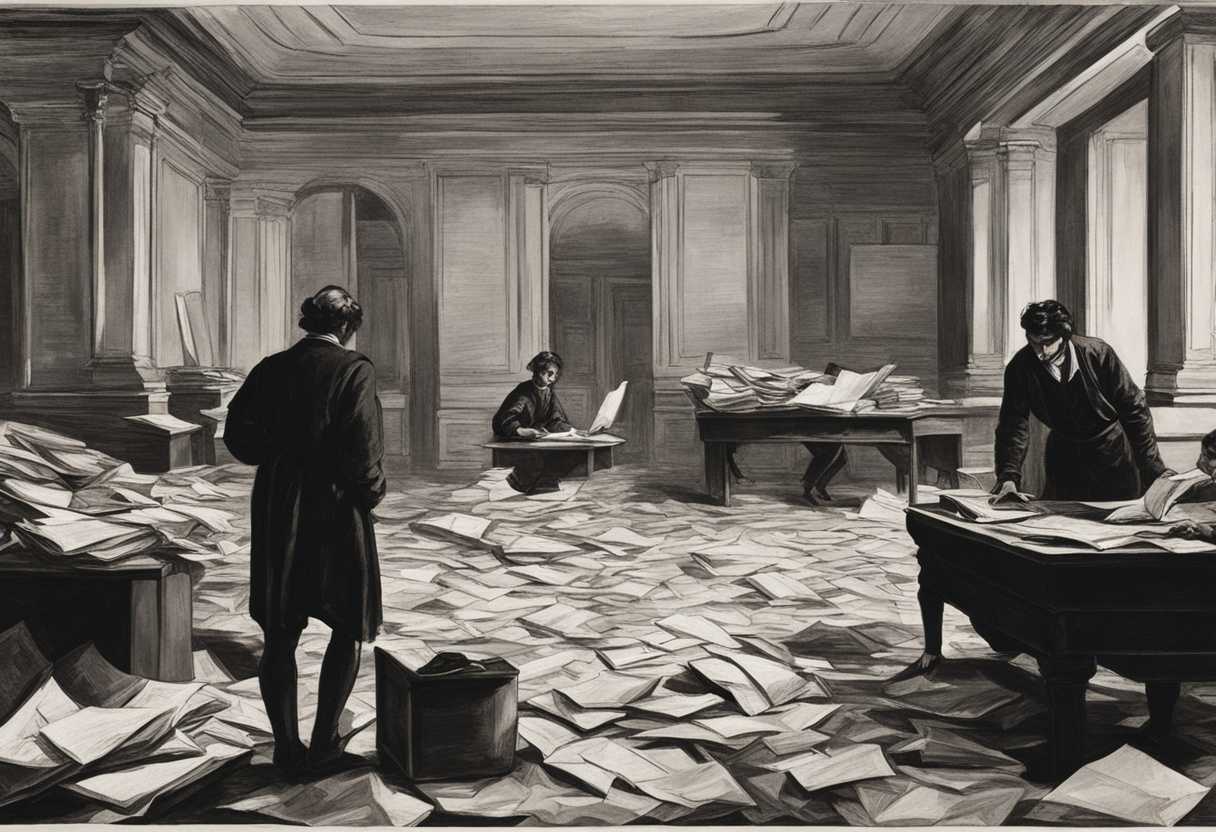
What does Ecclesiastes 2:18-19 really mean?
Ecclesiastes 2:18-19 is about the frustration and labor of toiling for gain and success, only to leave it behind to someone who may not appreciate or value the fruits of one’s labor. 18 I hated all my toil in which I toil under the sun, seeing that I must leave it to the man who…
-
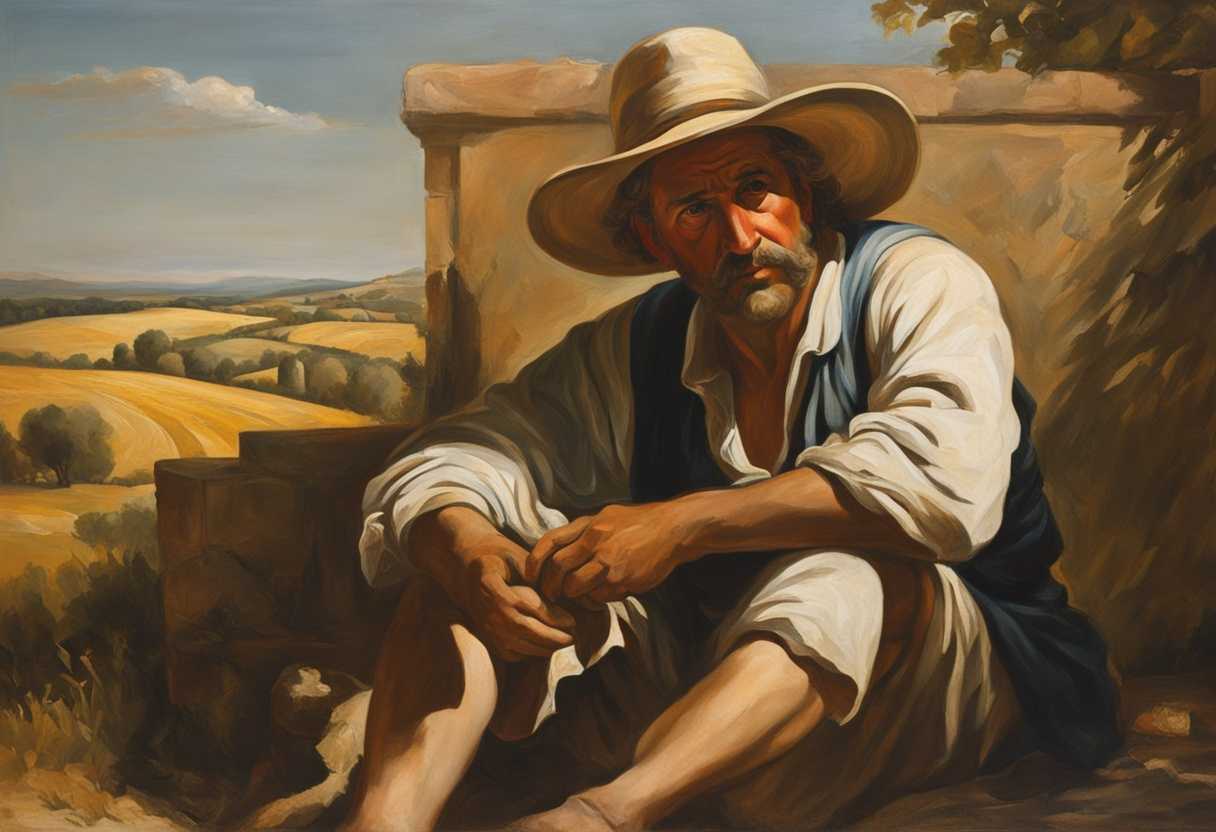
What does Ecclesiastes 2:18-21 really mean?
Ecclesiastes 2:18-21 is about the futility and frustration of toiling and accumulating wealth in life, as ultimately one cannot control how their hard-earned possessions will be used once they are gone. 18 I hated all my toil in which I toil under the sun, seeing that I must leave it to the man who will…
-

What does Ecclesiastes 2:4-11 really mean?
Ecclesiastes 2:4-11 is about King Solomon reflecting on the temporary satisfaction that material wealth and earthly pleasures bring, ultimately concluding that true fulfillment and meaning cannot be found in worldly pursuits alone. 4 I made great works. I built houses and planted vineyards for myself. 5 I made myself gardens and parks, and planted in…
-

What does Ecclesiastes 5:10-12 really mean?
is about the fleeting nature of wealth and possessions, reminding us that true contentment comes from being grateful for what we have rather than constantly striving for more material wealth. 10 He who loves money will not be satisfied with money, nor he who loves wealth with his income; this also is vanity. 11 When…