
Category: Leviticus
-
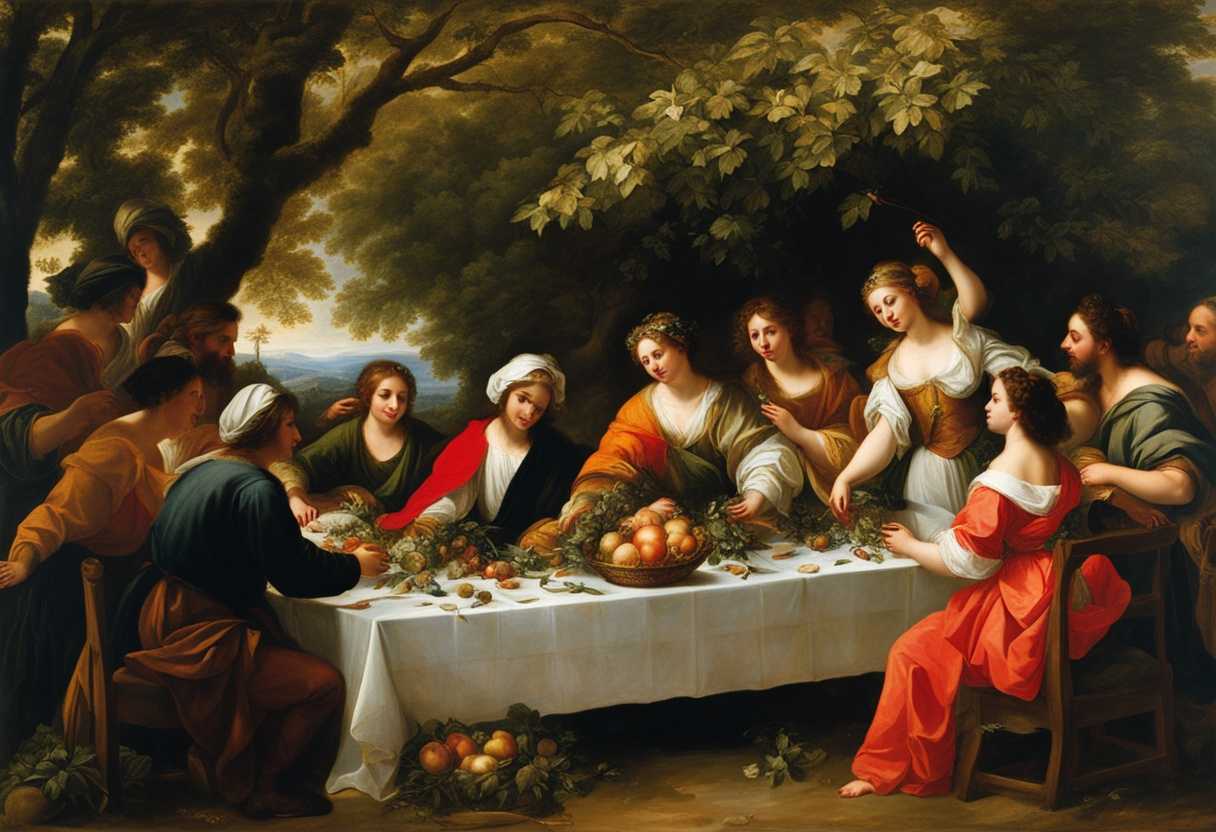
What does Leviticus 23:40-43 really mean?
Leviticus 23:40-43 is about the Israelites celebrating the Feast of Tabernacles by dwelling in temporary shelters to remember their time in the wilderness; emphasizing the importance of remembering God’s provision and faithfulness in times of trial. 40 And you shall take on the first day the fruit of splendid trees, branches of palm trees and…
-
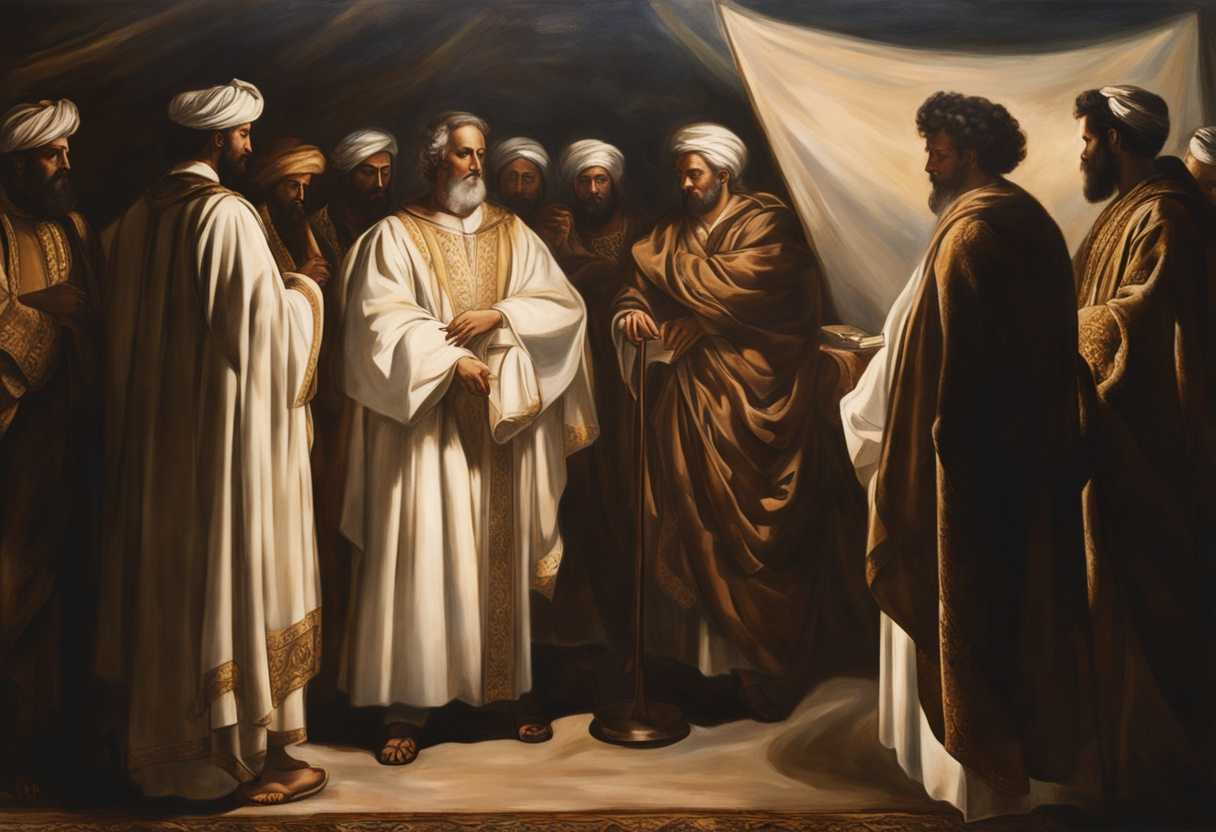
What does Leviticus 8:1-36 really mean?
Leviticus 8:1-36 is about the ritual of consecrating Aaron and his sons as priests, symbolizing their purification, dedication, and authorization to serve God on behalf of the Israelites. 1 Then the Lord spoke to Moses, saying, 2 “Take Aaron and his sons with him, and the garments and the anointing oil and the bull of…
-

What does Leviticus 23:42-43 really mean?
Leviticus 23:42-43 is about the importance of celebrating the Feast of Tabernacles as a reminder of the Israelites’ time in the wilderness and God’s provision and protection throughout their journey. 42 You shall dwell in booths for seven days. All native Israelites shall dwell in booths, 43 that your generations may know that I made…
-
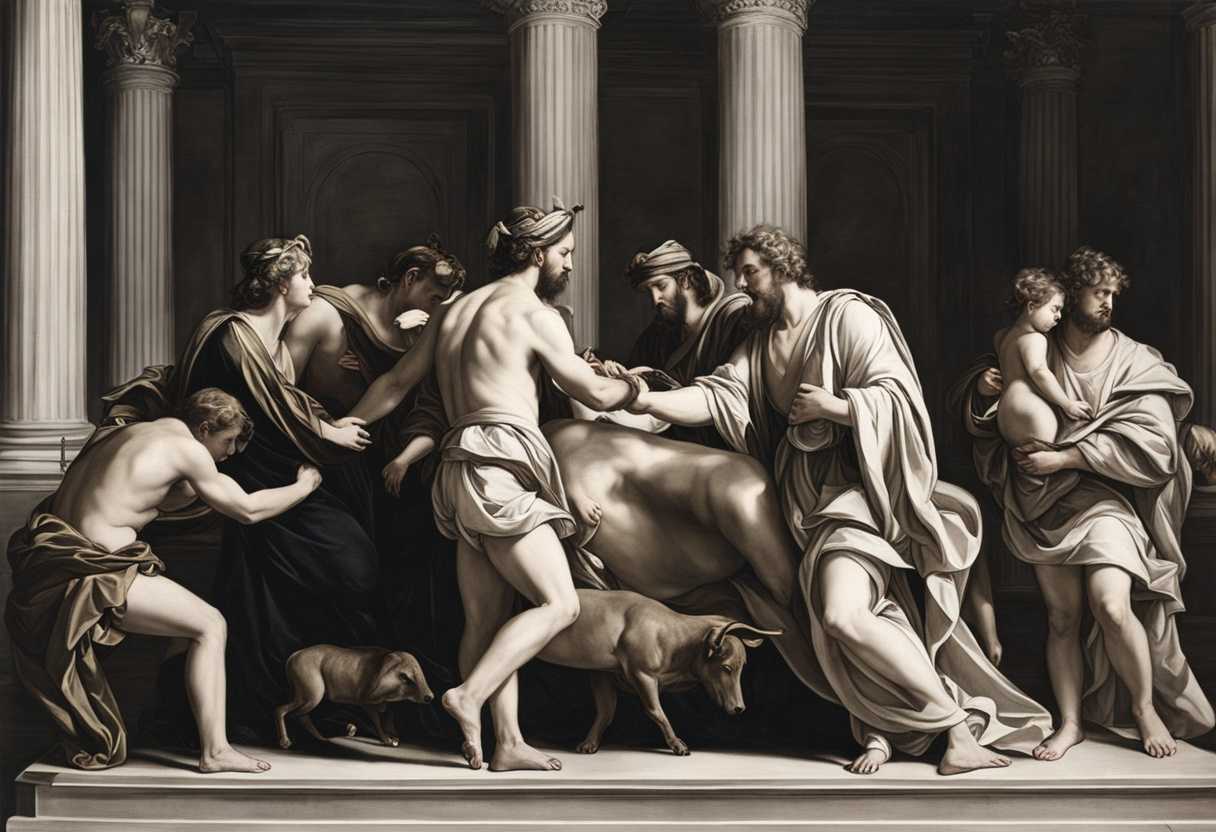
What does Leviticus 8:14-15 really mean?
Leviticus 8:14-15 is about Moses consecrating Aaron and his sons for the priesthood by anointing them with oil and preparing them for their service to God. 14 Then he brought the bull of the sin offering, and Aaron and his sons laid their hands on the head of the bull of the sin offering. 15…
-

What does Leviticus 25:25-55 really mean?
Leviticus 25:25-55 is about the regulations and principles of redemption concerning property, emphasizing the importance of compassion, justice, and the restoration of the marginalized in society. 25 If your brother becomes poor and sells part of his property, then his nearest redeemer shall come and redeem what his brother has sold. 26 If a man…
-

What does Leviticus 8:15 really mean?
Leviticus 8:15 is about the anointing of Aaron as the high priest, symbolizing his consecration and setting him apart for the sacred role of representing the people before God. 15 Then he killed it, and Moses took the blood, and with his finger put it on the horns of the altar around it and purified…
-

What does Leviticus 11:1-23 really mean?
Leviticus 11:1-23 is about outlining the specific dietary laws and regulations set by God for the Israelites to distinguish between clean and unclean animals for health and spiritual purposes. 1 And the Lord spoke to Moses and Aaron, saying to them, 2 “Speak to the people of Israel, saying, These are the living things that…
-
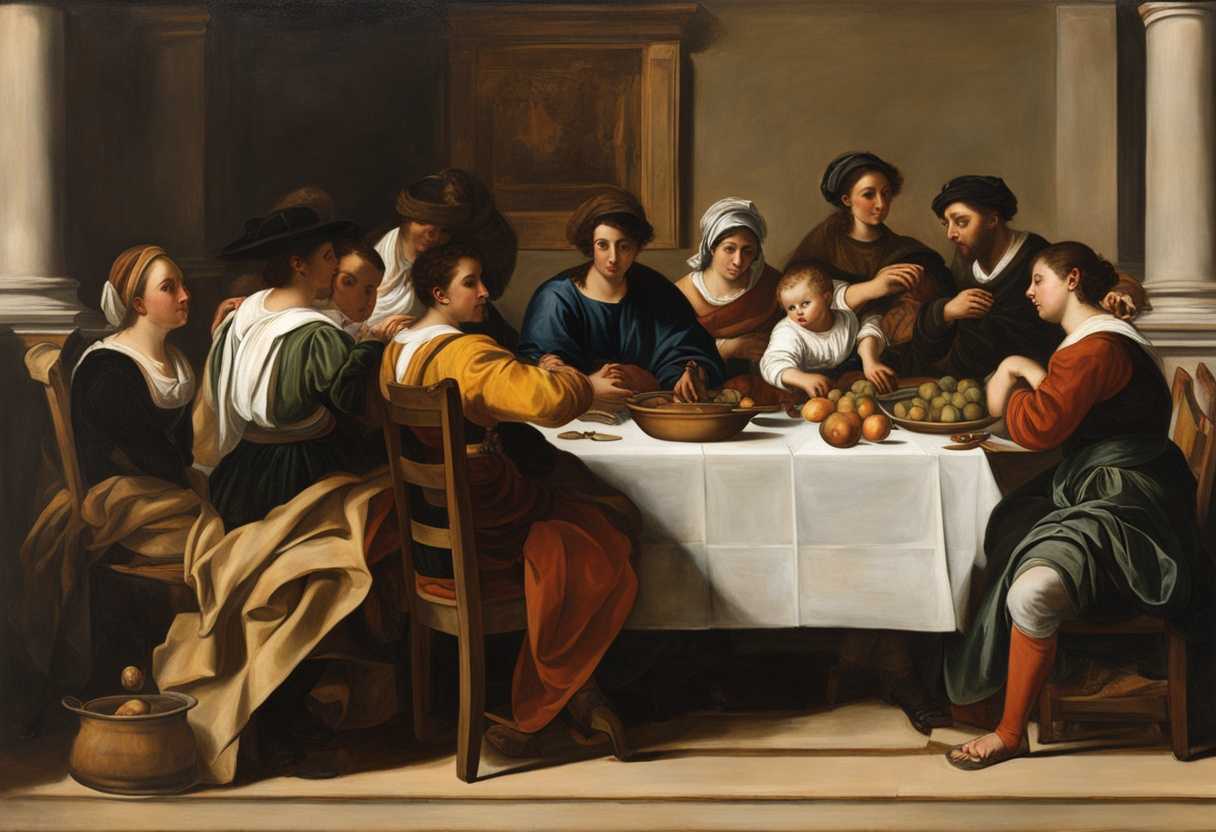
What does Leviticus 25:39-46 really mean?
Leviticus 25:39-46 is about setting guidelines for the treatment of Hebrew slaves, emphasizing compassion, fairness, and acknowledging that ultimately, they belong to God. 39 “If your brother becomes poor beside you and sells himself to you, you shall not make him serve as a slave. 40 They shall be with you as hired workers and…
-

What does Leviticus 8:22-24 really mean?
is about Aaron and his sons consecrating themselves and the altar for service to the Lord through the act of placing blood on their right earlobes, right thumbs, and right big toes, symbolizing their commitment to listen obediently, work diligently, and walk uprightly in their duties as priests. 22 Then he presented the other ram,…
-
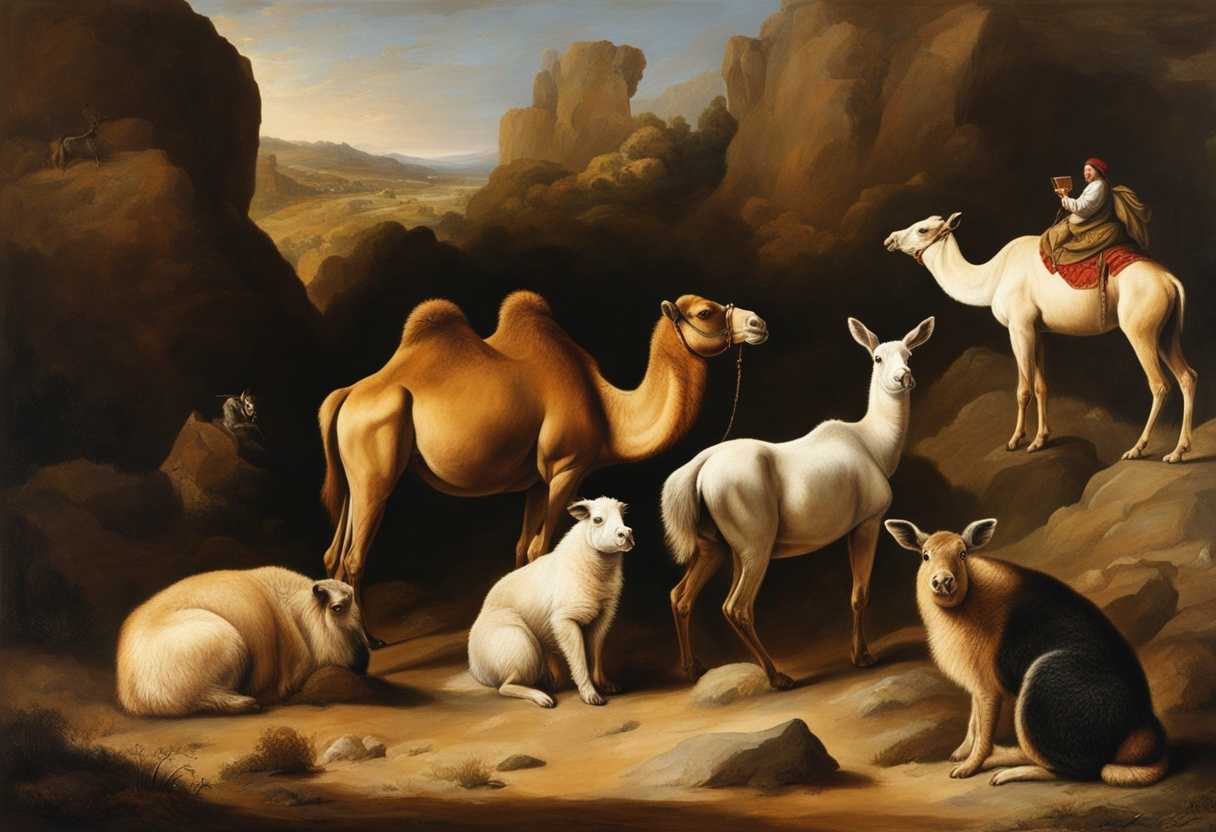
What does Leviticus 11:3-8 really mean?
Leviticus 11:3-8 is about the Jewish dietary laws outlining which animals are considered clean and unclean for consumption, serving as a symbolic reminder of the importance of spiritual cleanliness and separation from worldly impurities. 3 Whatever parts the hoof and is cloven-footed and chews the cud, among the animals, you may eat. 4 Nevertheless, among…