
Category: Leviticus
-

What does Leviticus 13-14 really mean?
Leviticus 13-14 is about the laws and rituals concerning skin diseases and bodily emissions, emphasizing the importance of purity and cleanliness in the Israelite community. 1 The Lord spoke to Moses and Aaron, saying, 2 When a person has on the skin of his body a swelling or an eruption or a spot, and it…
-

What does Leviticus 18:26-30 really mean?
Leviticus 18:26-30 is about the importance of following God’s laws and regulations regarding moral conduct and sexual relationships to maintain holiness and avoid the consequences of sin in the eyes of the Lord. 26 But you shall keep my statutes and my rules and do none of these abominations, either the native or the stranger…
-

What does Leviticus 27:3 really mean?
Leviticus 27:3 is about assigning a monetary value to individuals based on their age and gender for the purpose of making vows to the Lord, emphasizing the concept of dedication and honor in fulfilling commitments to God. 3 then the valuation shall be made by the priest, according to the ability of the one who…
-

What does Leviticus 21:1-3 really mean?
Leviticus 21:1-3 is about the purity requirements for the priests set by God to maintain holiness and honor in their service to Him. 1 And the Lord said to Moses, “Speak to the priests, the sons of Aaron, and say to them: No one shall make himself unclean for the dead among his people, 2…
-

What does Leviticus 27:30-32 really mean?
Leviticus 27:30-32 is about the commandment for the Israelites to tithe a tenth of all their produce and livestock as a sign of acknowledging God’s ownership and provision over their lives. 30 Every tithe of the land, whether of the seed of the land or of the fruit of the trees, is the Lord’s; it…
-

What does Leviticus 22:20-22 really mean?
Leviticus 22:20-22 is about the importance of offering animals without blemish as sacrifices to God, symbolizing the need for purity and reverence in worship. 20 You shall not offer anything that has a blemish, for it will not be acceptable for you. 21 And when anyone offers a sacrifice of peace offerings to the Lord…
-

What does Leviticus 5:2-6 really mean?
Leviticus 5:2-6 is about the obligation of confessing unintentional sins committed against the Lord, emphasizing the importance of acknowledging wrongdoing and making amends through offerings, demonstrating repentance and seeking forgiveness from God. 2 Or if anyone touches an unclean thing, whether a carcass of an unclean wild animal or a carcass of unclean livestock or…
-

What does Leviticus 17:3-4 really mean?
Leviticus 17:3-4 is about the importance of offering sacrifices only at the designated place of worship, emphasizing the significance of obedience and reverence in the worship of God. 3 Any one of the house of Israel who kills an ox or a lamb or a goat in the camp, or who kills it outside the…
-
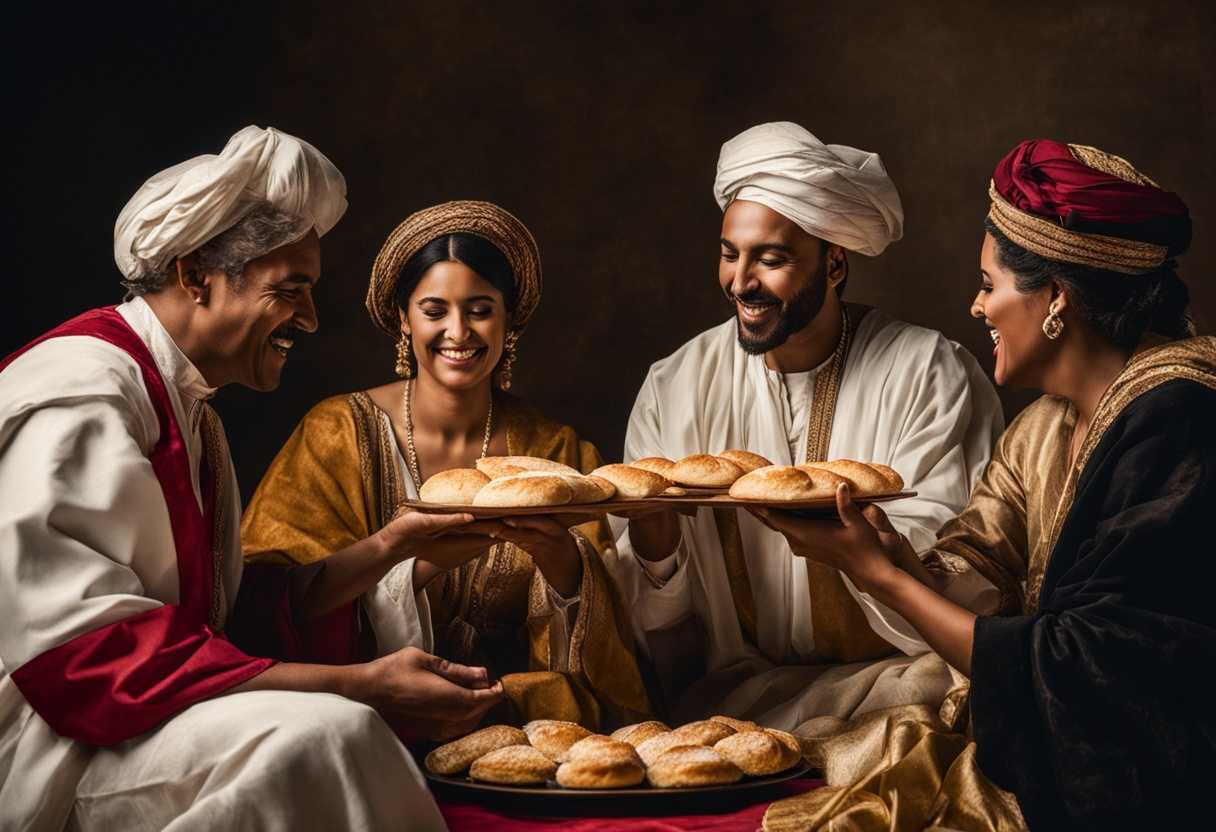
What does Leviticus 23:6-8 really mean?
Leviticus 23:6-8 is about the celebration of the Feast of Unleavened Bread by the Israelites, symbolizing their deliverance from slavery in Egypt and the importance of living a life free from sin and corruption. 6 And on the fifteenth day of the same month is the Feast of Unleavened Bread to the Lord; for seven…
-

What does Leviticus 7:11-18 really mean?
Leviticus 7:11-18 is about the detailed instructions given to the Israelites regarding the offerings of peace offerings and the proper ways to present them to the Lord, emphasizing the significance of gratitude and fellowship in their relationship with God. 11 “And this is the law of the sacrifice of peace offerings that one may offer…