
Category: Leviticus
-

What does Leviticus 4:26 really mean?
Leviticus 4:26 is about the importance of acknowledging and atoning for unintentional sins through the ritual of offering sacrifices to seek forgiveness and maintain spiritual purity. 26 All its fat he shall burn on the altar, like the fat of the sacrifice of peace offerings. And the priest shall make atonement for him for his…
-

What does Leviticus 12:6-8 really mean?
Leviticus 12:6-8 is about the purification rituals for mothers after childbirth, emphasizing the importance of physical and spiritual cleansing before rejoining the community. 6 “And when the days of her purifying are completed, whether for a son or for a daughter, she shall bring to the priest at the entrance of the tent of meeting…
-

What does Leviticus 17:1 really mean?
Leviticus 17:1 is about the importance of offering sacrifices only at the designated place of worship to honor and obey God’s commands. 7 So they shall no more sacrifice their sacrifices to goat demons, after whom they whore. This shall be a statute forever for them throughout their generations. Setting the Scene for Leviticus 17:1…
-
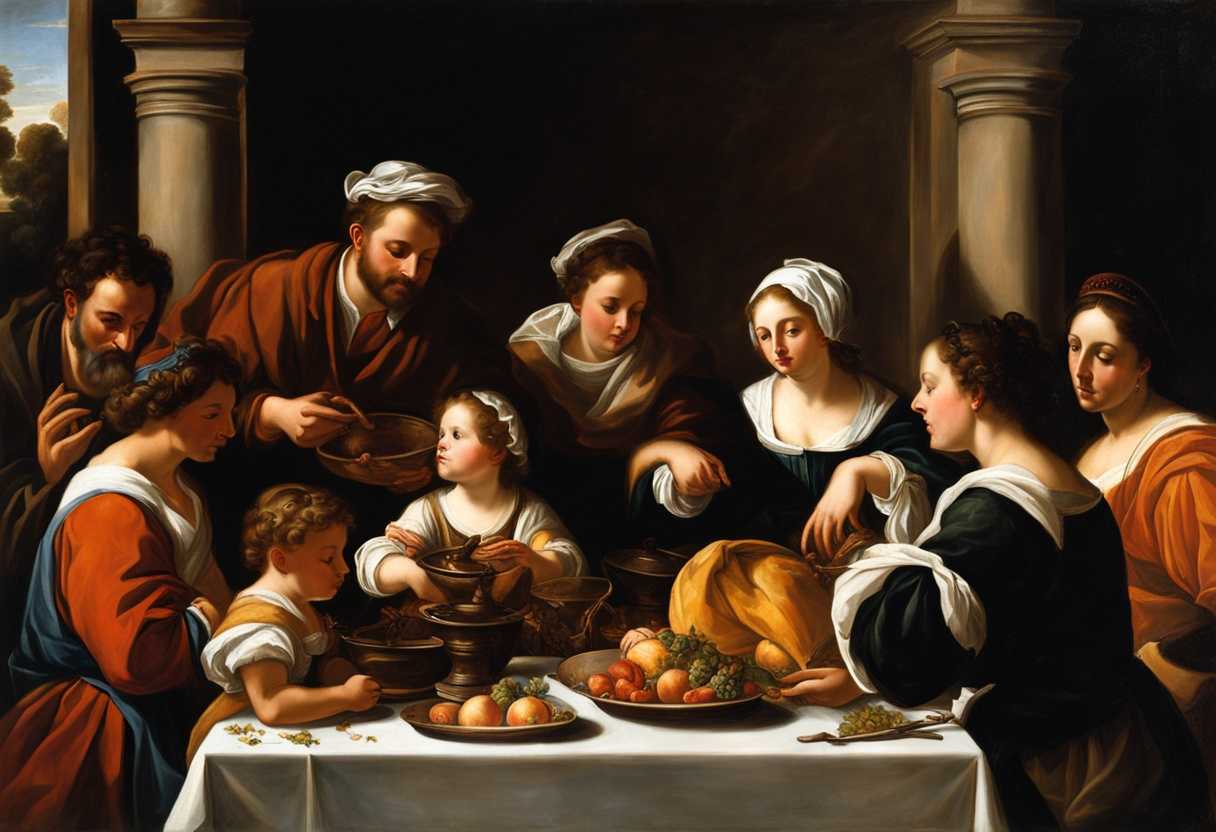
What does Leviticus 2:11 really mean?
Leviticus 2:11 is about emphasizing the importance of not including leaven or honey in offerings to the Lord, symbolizing purity and sincerity in one’s worship and dedication. 11 You shall not leaven anything that is offered in sacrifice to the Lord. Setting the Scene for Leviticus 2:11 In Leviticus chapter 2, we find ourselves in…
-

What does Leviticus 22:3 really mean?
Leviticus 22:3 is about the importance of approaching and honoring God with reverence by refraining from defiling oneself with actions or behaviors that would desecrate the sanctity of His presence. 3 Say to them, ‘If any one of all your offspring throughout your generations approaches the holy things that the people of Israel dedicate to…
-

What does Leviticus 23:33-43 really mean?
Leviticus 23:33-43 is about the Feast of Tabernacles, instructing the Israelites to dwell in booths for seven days as a reminder of their time in the wilderness and to celebrate God’s provision and faithfulness. 33 And the Lord spoke to Moses, saying, 34 Speak to the people of Israel, saying, On the fifteenth day of…
-

What does Leviticus 26:27-29 really mean?
Leviticus 26:27-29 is about the consequences of disobedience to God’s laws, emphasizing that severe punishment and calamity will befall those who reject His commandments. 27 “But if in spite of this you will not listen to me, but walk contrary to me,” 28 then I will walk contrary to you in fury, and I myself…
-

What does Leviticus 4:32 really mean?
Leviticus 4:32 is about the importance of acknowledging and repenting for unintentional sins through the offering of sacrifices as a means of seeking reconciliation with God. 32 And if he brings a lamb as his offering for a sin offering, he shall bring a female without blemish. Setting the Scene for Leviticus 4:32 In Leviticus…
-

What does Leviticus 7:19 really mean?
Leviticus 7:19 is about emphasizing the importance of the sincerity and purity of one’s offering to God, as only offerings made with a genuine heart and intention are acceptable and pleasing to Him. 19 “And the flesh that touches any unclean thing shall not be eaten. It shall be burned up with fire. All who…
-

What does Leviticus 18:21 really mean?
Leviticus 18:21 is about prohibiting the Israelites from engaging in child sacrifice to the pagan god Molek, emphasizing the importance of valuing human life and denouncing cruel and immoral practices. 21 You shall not give any of your children to offer them to Molech, and so profane the name of your God: I am the…