
Leviticus 2:11 is about emphasizing the importance of not including leaven or honey in offerings to the Lord, symbolizing purity and sincerity in one’s worship and dedication.
11 You shall not leaven anything that is offered in sacrifice to the Lord.
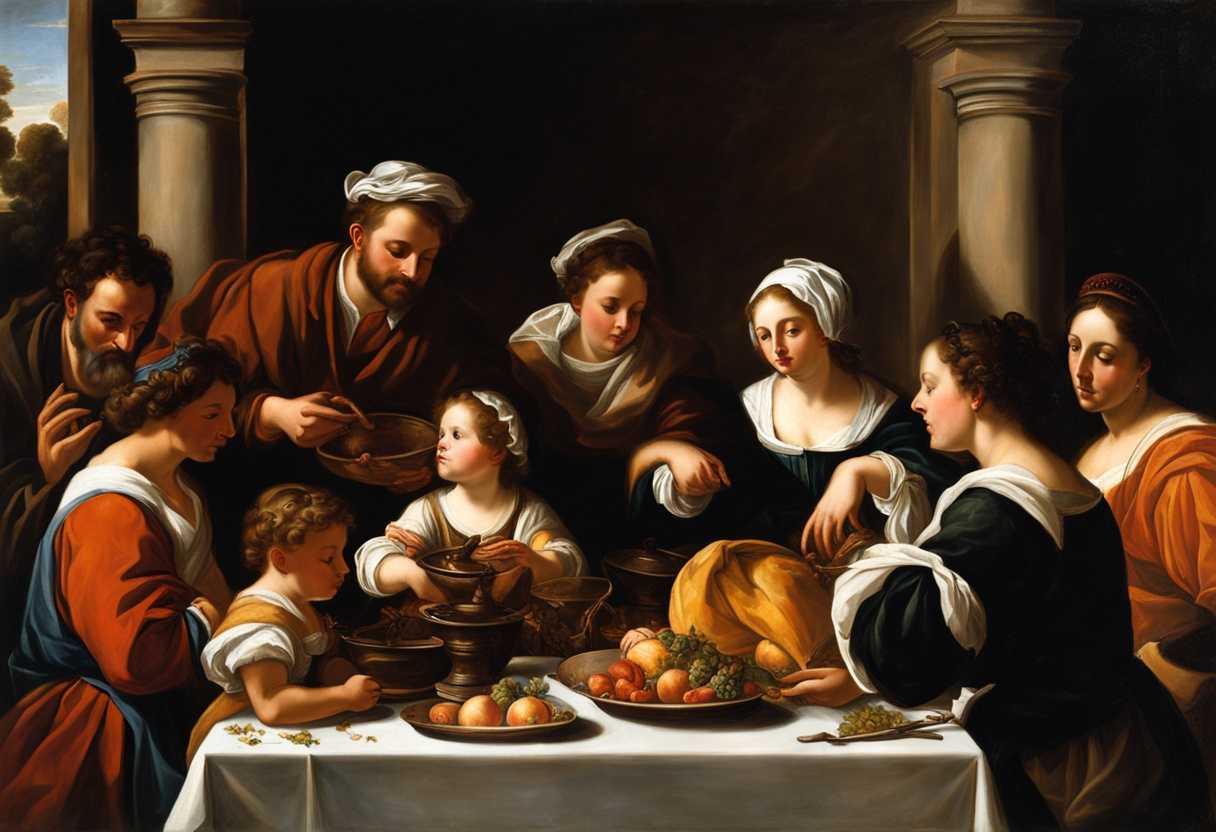
Setting the Scene for Leviticus 2:11
In Leviticus chapter 2, we find ourselves in the midst of the Israelites’ journey through the wilderness after their exodus from Egypt. The scene is set in the camp of the Israelites, with the Tabernacle standing tall in the center, surrounded by the tents of the twelve tribes. The air is filled with the scent of incense and the sound of prayers and offerings being made to the Lord.
Moses, the great leader of the Israelites, is standing before the Tabernacle, surrounded by a group of priests and Levites. They are discussing the various offerings that the people are to bring before the Lord, as outlined in Leviticus chapter 2. The chapter details the different types of grain offerings that the Israelites are to present to the Lord, including fine flour, oil, and frankincense.
As the sun sets over the camp, the flickering light of the oil lamps illuminates the faces of the gathered people. Each person is preparing their offering with care and reverence, following the instructions given to them by Moses. The scene is one of devotion and obedience, as the Israelites seek to honor and worship their God through these sacred rituals.
What is Leviticus 2:11 about?
The prohibition against including leaven in grain offerings in Leviticus 2:11 signifies the purity and holiness required in offerings to God. Leaven, a substance that causes bread to rise through fermentation, is often used symbolically in the Bible to represent corruption or sin. God emphasizes the importance of presenting only that which is pure and unadulterated before Him by forbidding the use of leaven in offerings.
Imagine offering a gift to someone you deeply respect and care for. Would you include something tainted or impure in that gift? No, you would want to offer your very best. Similarly, in biblical times, offering a sacrifice to God was a sacred act of worship, and God expected His people to approach Him with reverence and purity. The ancient Israelites demonstrated their commitment to presenting themselves before God in a state of moral and spiritual purity by avoiding leaven in their grain offerings.
This verse serves as a reminder for us today as well. Are we offering God our best, purest selves as we approach Him in prayer, worship, and service? Are we striving to live lives of integrity and righteousness before Him? We are called to offer our whole selves to God, free from the corruption of sin, just as the ancient Israelites presented unblemished offerings to Him.
Understanding what Leviticus 2:11 really means
Leviticus 2:11, nestled within the intricate tapestry of the Old Testament, specifically in the book of Leviticus, delves into the regulations and rituals that governed the Israelites’ worship practices. This particular verse finds its place in the segment dedicated to grain offerings, a form of sacrifice presented to the Lord. The directive within the verse is clear and unequivocal: “No grain offering that you bring to the Lord shall be made with leaven.” Here, leaven, symbolizing sin and corruption in biblical contexts, underscores the imperative of presenting offerings of utmost purity before God.
Furthermore, the verse continues to emphasize the purity required in offerings by prohibiting the inclusion of leaven and honey in food offerings to the Lord. Both leaven and honey have the potential to ferment, signifying impurity and decay. By disallowing these elements, the passage underscores the significance of offering untainted and unblemished sacrifices to God, reflecting the purity of heart and intention required in worship.
Drawing parallels from related biblical passages, Exodus 12:15 echoes the sentiment of removing leaven during the Feast of Unleavened Bread, reinforcing the theme of purity and the avoidance of sin. Similarly, in 1 Corinthians 5:6-8, Paul employs the metaphor of leaven to illustrate how even a small amount of sin can permeate and affect the entire community, urging believers to uphold sincerity and truth in their lives.
The timeless relevance of Leviticus 2:11 transcends the confines of ancient rituals, resonating with contemporary audiences. It beckons individuals to introspect and evaluate their actions and motives, urging them to lead lives that align with God’s standards of purity and righteousness. This call to purity in offerings extends beyond ceremonial practices, permeating into everyday choices and behaviors, guiding believers to uphold integrity, honesty, and moral uprightness in all facets of life.
To illustrate the profound impact of purity and vigilance in our spiritual journey, envision a diligent baker meticulously ensuring the absence of impurities in their dough. Just as a small amount of leaven can leaven the entire batch, our seemingly insignificant compromises can lead to significant consequences. By maintaining a steadfast commitment to purity in our thoughts and deeds, we honor God and cultivate a life marked by authenticity and fulfillment.
In conclusion, Leviticus 2:11 serves as a poignant reminder of the paramount importance of presenting offerings of purity and sincerity before God. This ancient principle transcends time, guiding believers to shun sin and corruption, and instead, embrace lives characterized by integrity and devotion. By heeding this timeless wisdom, individuals are not only pleasing to God but also contribute to the flourishing of their communities through a legacy of righteousness and moral uprightness.
Do my actions and offerings align with God’s desires?
Consider if your actions and offerings align with God’s desires by evaluating their intent and sincerity. God desires offerings that come from a heart of gratitude, humility, and obedience. It is not merely the outward act that pleases God, but the inner disposition with which it is done. Reflect on whether your actions and offerings are a true reflection of your love and reverence for God.
Furthermore, God looks for offerings that are pure and untainted. Our offerings to God should be untainted by sin and ulterior motives, just as the offerings in the Old Testament were required to be without leaven, which symbolizes impurity. Evaluate if there are any areas in your life where impurity or insincerity may be contaminating your actions or offerings to God. Strive to purify your heart and motives before presenting your offerings to God, so that they may be pleasing in His sight. God ultimately desires offerings that bring glory to His name and draw His people closer to Him. Consider if you are pointing others towards God and reflecting His character with your actions and offerings. Let your offerings be a testimony of God’s goodness and faithfulness, leading others to glorify Him along with you.
Application
Reflect on Leviticus 2:11. Just as you strive to excel in your work and provide for your family, offer your best to the Lord. Give Him your utmost dedication and effort, not holding back anything. Are you ready to present your finest offerings to the Lord right now, with all your heart and soul?

Reverend Michael Johnson is an experienced Church Minister with a profound expertise in spirituality and guidance. With a serene presence and a compassionate heart, he has faithfully served his congregation for over 20 years, leading them on a spiritual journey towards inner peace and enlightenment. Reverend Johnson’s extensive knowledge of religious philosophies and profound understanding of human nature have made him a trusted confidant and mentor to many, as he seamlessly weaves his profound wisdom into life teachings. Reverend Johnson’s calming demeanor and empathetic nature continue to uplift and heal souls, nurturing a sense of unity and tranquility within his community.