
Category: Leviticus
-

What does Leviticus 3:12-16 really mean?
Leviticus 3:12-16 is about the offering of a peace offering to the Lord, symbolizing a gesture of thanksgiving and reconciliation with God. 12 If his offering is a goat, then he shall offer it before the Lord. 13 And he shall lay his hand on its head and kill it in front of the tent…
-
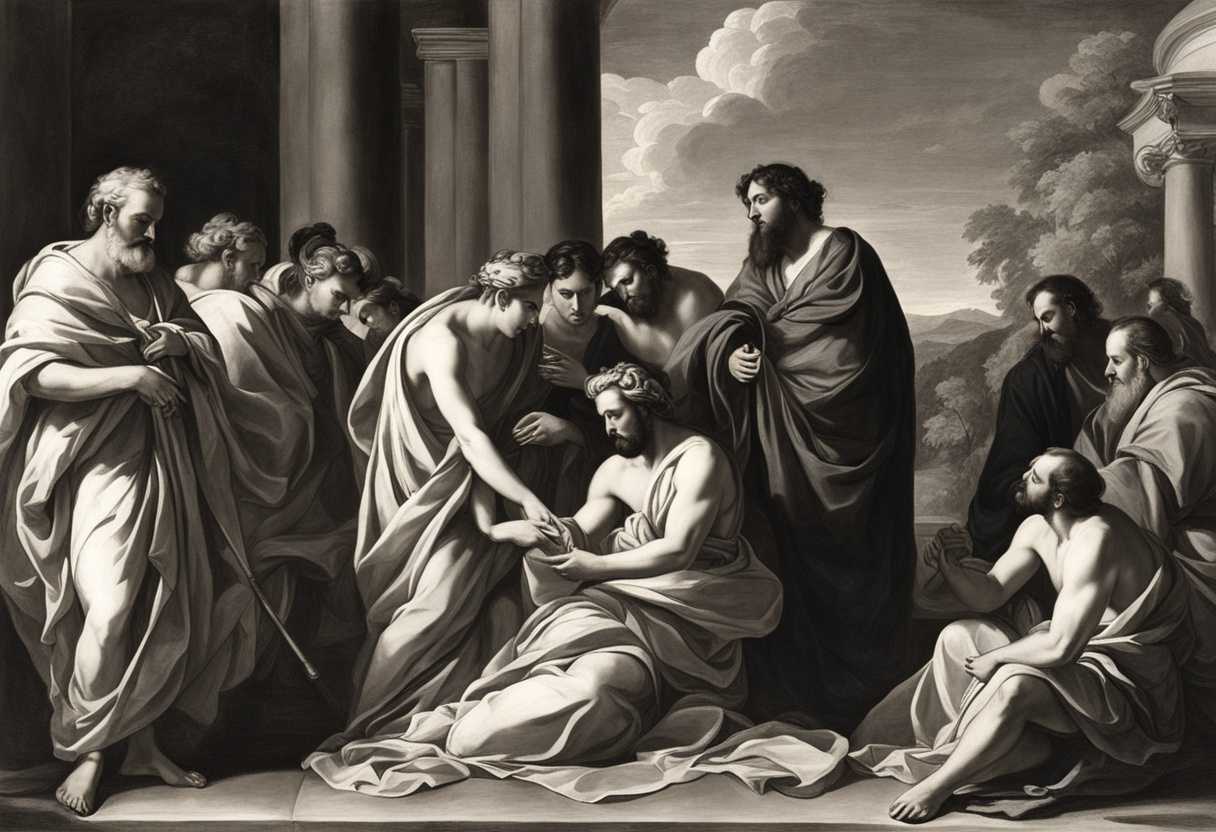
What does Leviticus 8:18-21 really mean?
Leviticus 8:18-21 is about the process of consecration and ordination of Aaron and his sons as priests, symbolizing their separation to serve God and the community in a holy and sacred manner. 18 Then he presented the ram of the burnt offering, and Aaron and his sons laid their hands on the head of the…
-

What does Leviticus 23:9-11 really mean?
Leviticus 23:9-11 is about the instruction to the Israelites to bring the first sheaf of the harvest to the priest as a wave offering, symbolizing gratitude and dependence on God for provision and sustenance. 9 And the Lord spoke to Moses, saying, 10 “Speak to the people of Israel and say to them, When you…
-

What does Leviticus 16:16-19 really mean?
Leviticus 16:16-19 is about the atonement ritual on the Day of Atonement, where the high priest enters the Most Holy Place to cleanse it from the sins of the Israelites, symbolizing the removal of impurity and reconciliation between the people and God. 16 Thus he shall make atonement for the Holy Place, because of the…
-
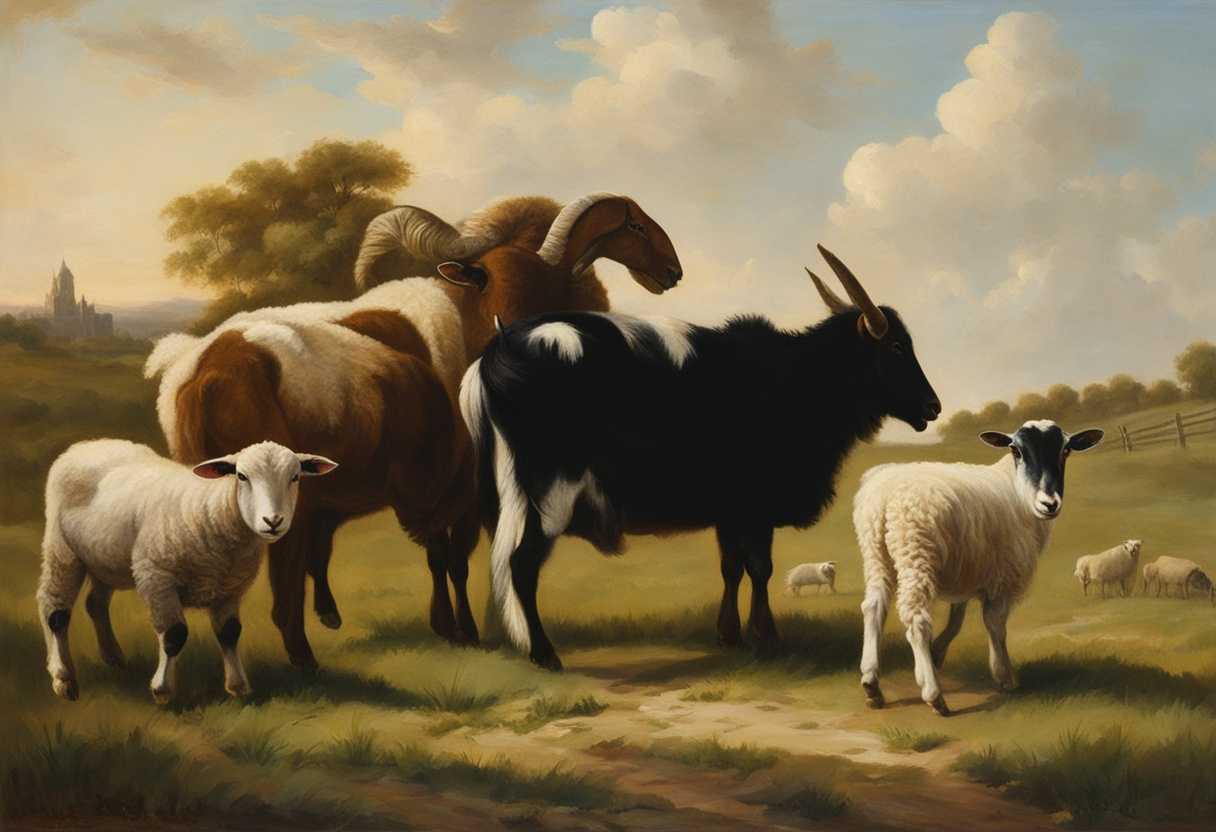
What does Leviticus 22:27 really mean?
Leviticus 22:27 is about the requirement to allow newly born livestock to stay with their mother for seven days before they can be sacrificed, showcasing respect for the natural order and need for care and compassion even in ritual practices. 27 “When an ox or sheep or goat is born, it shall remain seven days…
-
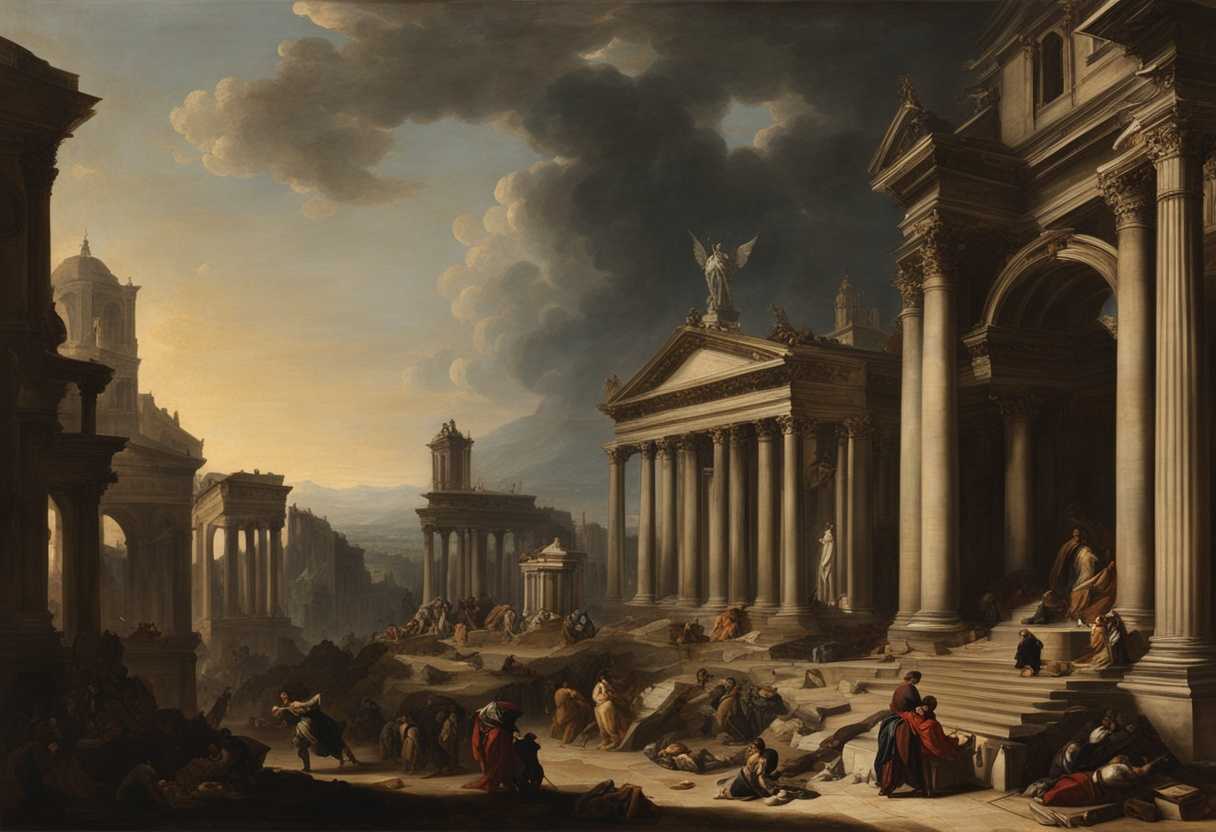
What does Leviticus 26:30-33 really mean?
Leviticus 26:30-33 is about the consequences of disobedience to God’s commandments, which result in desolation, destruction, and exile, serving as a warning to the Israelites to remain faithful and obedient. 30 And I will destroy your high places and cut down your incense altars and cast your dead bodies upon the dead bodies of your…
-

What does Leviticus 11:39-40 really mean?
Leviticus 11:39-40 is about distinguishing between clean and unclean animals, emphasizing the importance of being mindful of what is permitted for consumption to foster spiritual purity and obedience to God’s laws. 39 And if any animal which you may eat dies, whoever touches its carcass shall be unclean until the evening. 40 Whoever eats of…
-

What does Leviticus 26:14-16 really mean?
Leviticus 26:14-16 is about the consequences of disobedience to God’s commandments, warning that if the Israelites do not follow His statutes and observe His regulations, they will face severe punishment, including illness, famine, and ultimately being cut off from the land. 14 “But if you will not listen to me and will not do all…
-
What does Leviticus 19:13-14 really mean?
Leviticus 19:13-14 is about the importance of fair and just treatment of others, advising against withholding wages from employees and exploiting the deaf or putting a stumbling block in front of the blind, emphasizing the command to fear God. 13 “You shall not oppress your neighbor or rob him. The wages of a hired worker…
-

What does Leviticus 2:14-16 really mean?
Leviticus 2:14-16 is about the importance of offering first fruits and proper ingredients in sacrifices to honor and please God, emphasizing the purity and quality of the offering as a reflection of one’s devotion and obedience. 14 And if you offer a grain offering of firstfruits to the Lord, you shall offer for the grain…