
Category: Leviticus
-

What does Leviticus 22:31-33 really mean?
Leviticus 22:31-33 is about honoring God by obeying His commandments and recognizing His holiness, for He is the one who sanctifies us and brought us out of Egypt to be our God. 31 So you shall keep my commandments and do them: I am the Lord. 32 And you shall not profane my holy name,…
-
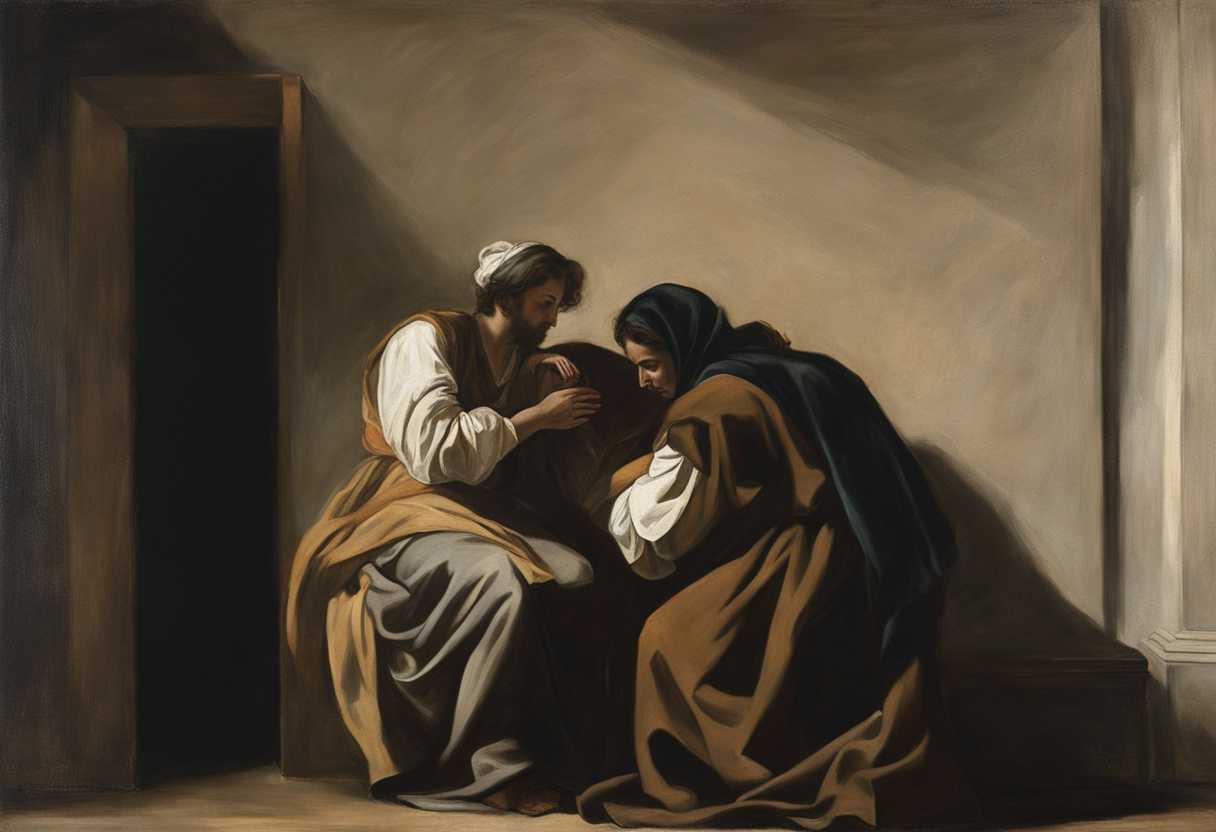
What does Leviticus 25:47-55 really mean?
Leviticus 25:47-55 is about the laws and regulations regarding the redemption of Israelite slaves, emphasizing the importance of treating them with fairness and humanity as fellow brothers in the covenant community. 47 “If a stranger or sojourner with you becomes rich, and your brother beside him becomes poor and sells himself to the stranger or…
-

What does Leviticus 7:11-21 really mean?
Leviticus 7:11-21 is about the intricate regulations established by God for the Israelites regarding the sacrificial offerings they were to bring to the priests, emphasizing the importance of gratitude, holiness, and following God’s commandments in their worship practices. 11 “And this is the law of the sacrifice of peace offerings that one may offer to…
-

What does Leviticus 8:30-36 really mean?
Leviticus 8:30-36 is about the consecration of Aaron and his sons as priests before the Lord, emphasizing the importance of following God’s instructions with meticulous care and reverence in order to receive His blessing and approval. 30 Then Moses took some of the anointing oil and of the blood that was on the altar and…
-

What does Leviticus 8:10-11 really mean?
Leviticus 8:10-11 is about Aaron and his sons being anointed with oil to consecrate them for the priesthood, symbolizing their set-apartness and divine calling to serve God. 10 And Moses took the anointing oil and anointed the tabernacle and all that was in it, and consecrated them. 11 And he sprinkled some of it on…
-

What does Leviticus 25:35-37 really mean?
Leviticus 25:35-37 is about the importance of showing kindness and compassion to those in need by providing support and assistance without expecting repayment, as it reflects God’s mercy and care for His people. 35 “If your brother becomes poor and cannot maintain himself with you, you shall support him as though he were a stranger…
-

What does Leviticus 6:2-5 really mean?
Leviticus 6:2-5 is about the regulations concerning restitution for sins committed against one’s neighbor, emphasizing the importance of making amends and seeking forgiveness through confession, restitution, and sincere repentance. 2 If anyone sins and commits a breach of faith against the Lord by deceiving his neighbor in a matter of deposit or security, or through…
-

What does Leviticus 13:24-28 really mean?
Leviticus 13:24-28 is about identifying and managing skin conditions such as leprosy by distinguishing between superficial and more deeply penetrating infections in order to prevent the spread of disease within the community. 24 Or if there is any flesh in the skin of the body and it is healed and the fresh appears in the…
-

What does Leviticus 12:2-5 really mean?
Leviticus 12:2-5 is about the purification process following childbirth, highlighting the importance of ritual cleanliness and the symbolism of new life and potential spiritual renewal. 2 “Speak to the people of Israel, saying, If a woman conceives and bears a male child, then she shall be unclean seven days. As at the time of her…
-

What does Leviticus 19:15-16 really mean?
Leviticus 19:15-16 is about emphasizing the importance of fairness and truthfulness in our interactions with others, warning against spreading false rumors or standing by idly while a neighbor suffers unjustly. 15 “You shall do no injustice in court. You shall not be partial to the poor or defer to the great, but in righteousness shall…