
Category: Nehemiah
-

What does Nehemiah 8:10-12 really mean?
Nehemiah 8:10-12 is about finding joy and strength in the celebration of God’s word and the community’s unity, emphasizing that spiritual renewal and communal gatherings foster resilience and hope in the face of challenges. 10 Then he said to them, “Go your way. Eat the fat and drink sweet wine and send portions to anyone…
-

What does Nehemiah 12:46 really mean?
Nehemiah 12:46 is about the establishment of the Levites and priests in the service of the temple, highlighting the continuity of worship and the importance of organized religious practice in post-exilic Jerusalem as central to the community’s identity and spiritual life. 46 For long ago in the days of David and Asaph there were directors…
-

What does Nehemiah 11:3 really mean?
Nehemiah 11:3 is about the leaders of the people acknowledging and highlighting the contributions of the provincial leaders and their families who chose to reside in Jerusalem, which reflects the importance of community commitment and sacrifice for the restoration of the city and its spiritual heritage. 3 Now these are the chiefs of the province…
-

What does Nehemiah 12:24-26 really mean?
Nehemiah 12:24-26 is about the organization and role of the Levites and priests in the restored community of Jerusalem, highlighting their responsibilities in worship and their historical significance in maintaining the spiritual integrity of the people following the exile. 24 And the chiefs of the Levites: Hashabiah, Sherebiah, and Jeshua the son of Kadmiel, with…
-

What does Nehemiah 7:64-65 really mean?
Nehemiah 7:64-65 is about the verification of the priestly lineage, emphasizing the importance of maintaining purity in the priesthood and the proper worship practices among the returning exiles, highlighting God’s faithfulness in preserving the covenant community despite challenges. 64 These sought their registration among those enrolled in the genealogies, but it was not found there,…
-

What does Nehemiah 9:26-31 really mean?
Nehemiah 9:26-31 is about the reflection on Israel’s repeated disobedience and rebellion against God despite His continual forgiveness and mercy, emphasizing the tension between divine justice and grace in the context of the covenant relationship between God and His people. 26 “Nevertheless, they were disobedient and rebelled against you and cast your law behind their…
-

What does Nehemiah 7:6-73 really mean?
Nehemiah 7:6-73 is about the careful accounting of the exiled Israelites who returned to Jerusalem, emphasizing the importance of lineage, community identity, and the restoration of God’s people after their return from exile. 6 These were the people of the province who came up out of the captivity of those exiles whom Nebuchadnezzar the king…
-

What does Nehemiah 8:2-3 really mean?
Nehemiah 8:2-3 is about the gathering of the Israelites to hear the Law of Moses being read aloud by Ezra, emphasizing the importance of communal worship, the restoration of identity, and the engagement with God’s word after their return from exile. 2 So Ezra the priest brought the Law before the assembly, both men and…
-

What does Nehemiah 1:3-4 really mean?
Nehemiah 1:3-4 is about Nehemiah receiving news of the desolate state of Jerusalem and the distress of its people, which evokes a deep emotional response in him, leading him to pray and seek God’s guidance for restoring his homeland. 3 And they said to me, “The remnant there in the province who had survived the…
-
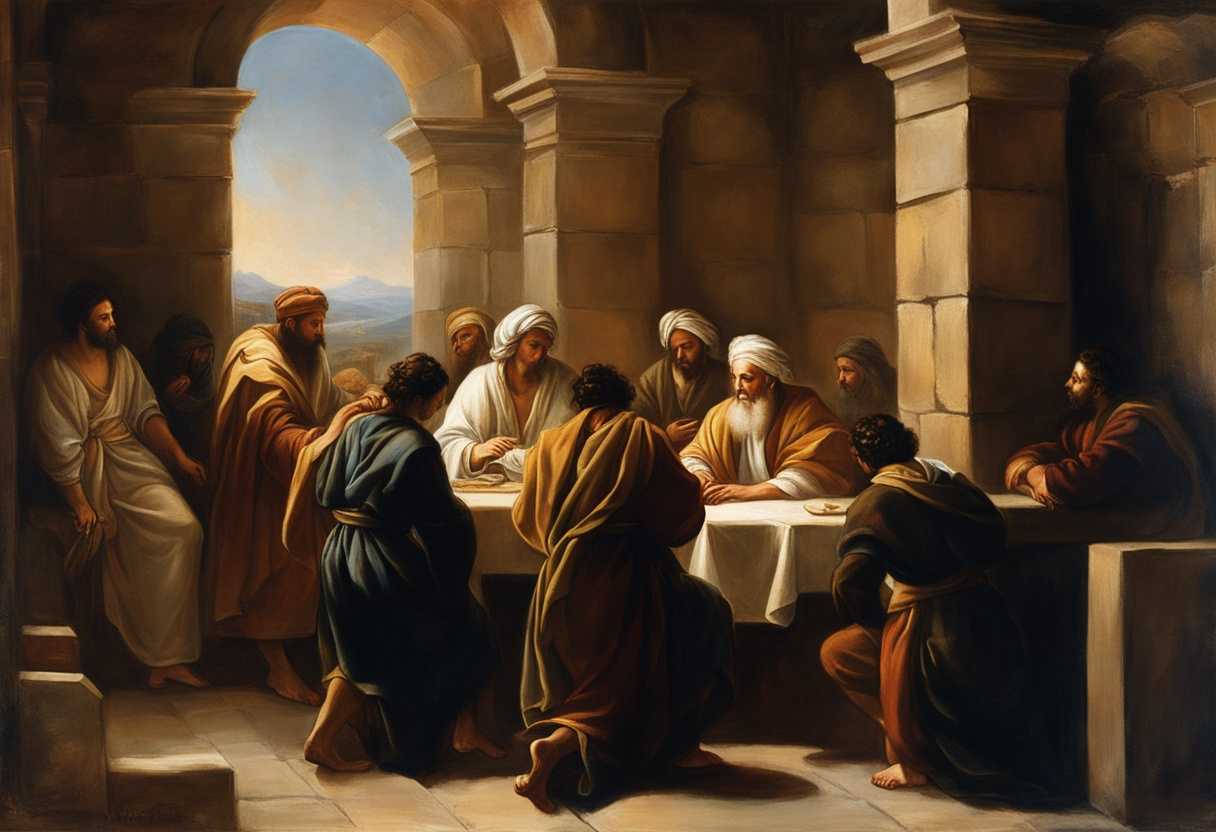
What does Nehemiah 1:5-7 really mean?
Nehemiah 1:5-7 is about Nehemiah’s heartfelt prayer and confession to God, acknowledging the sins of the Israelites and pleading for mercy and restoration, demonstrating the importance of repentance and reliance on divine grace in the face of communal failure. 5 And I said, “O Lord God of heaven, the great and awesome God who keeps…