
Category: Bible Meaning
-

What does Nehemiah 3:1-5 really mean?
Nehemiah 3:1-5 is about the detailed account of different individuals coming together, each taking on a specific role and working diligently to rebuild the walls of Jerusalem, highlighting the importance of unity, collaboration, and shared responsibility in accomplishing a common goal. 1 Then Eliashib the high priest rose up with his brothers the priests, and…
-
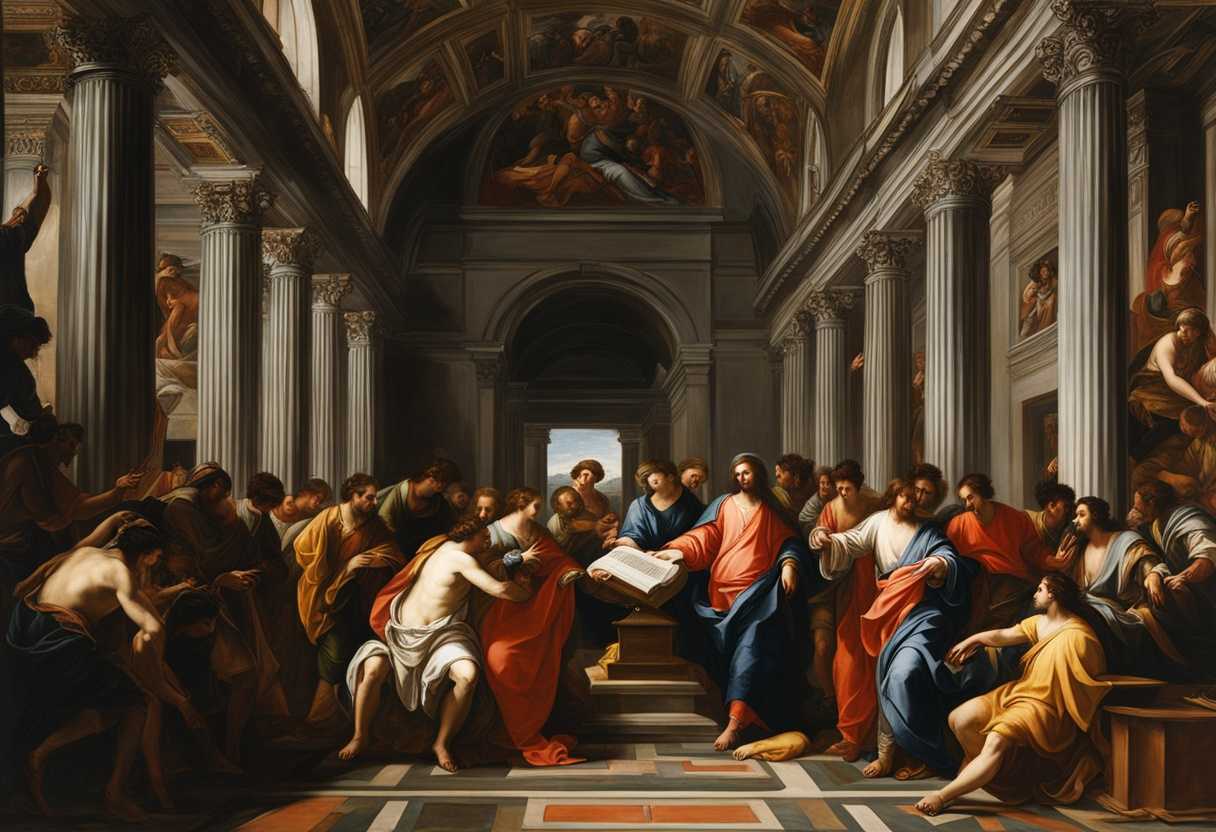
What does Nehemiah 3:17-21 really mean?
Nehemiah 3:17-21 is about the collective effort and collaboration of various individuals from different backgrounds coming together to work on the reconstruction of the city walls of Jerusalem, symbolizing the importance of unity and solidarity in achieving a common goal. 17 After him the Levites repaired, Rehum the son of Bani. Next to him Hashabiah,…
-

What does Nehemiah 3:28-32 really mean?
Nehemiah 3:28-32 is about the detailed account of the repairs made to the walls of Jerusalem by diverse groups of people working together, symbolizing unity, cooperation, and community restoration in the face of adversity. 28 Above the Horse Gate the priests repaired, each one opposite his own house. 29 After them Zadok the son of…
-

What does Nehemiah 4:10-14 really mean?
Nehemiah 4:10-14 is about the people of Jerusalem facing opposition and threats as they worked to rebuild the wall, but they stood firm in their faith and continued the work, trusting in God’s protection and strength. 10 In Judah it was said, “The strength of those who bear the burdens is failing. There is too…
-

What does Nehemiah 4:15 really mean?
Nehemiah 4:15 is about the importance of being prepared for opposition and staying vigilant in the face of adversity while carrying out God’s work. 15 When our enemies heard that it was known to us and that God had frustrated their plan, we all returned to the wall, each to his work. Setting the Scene…
-
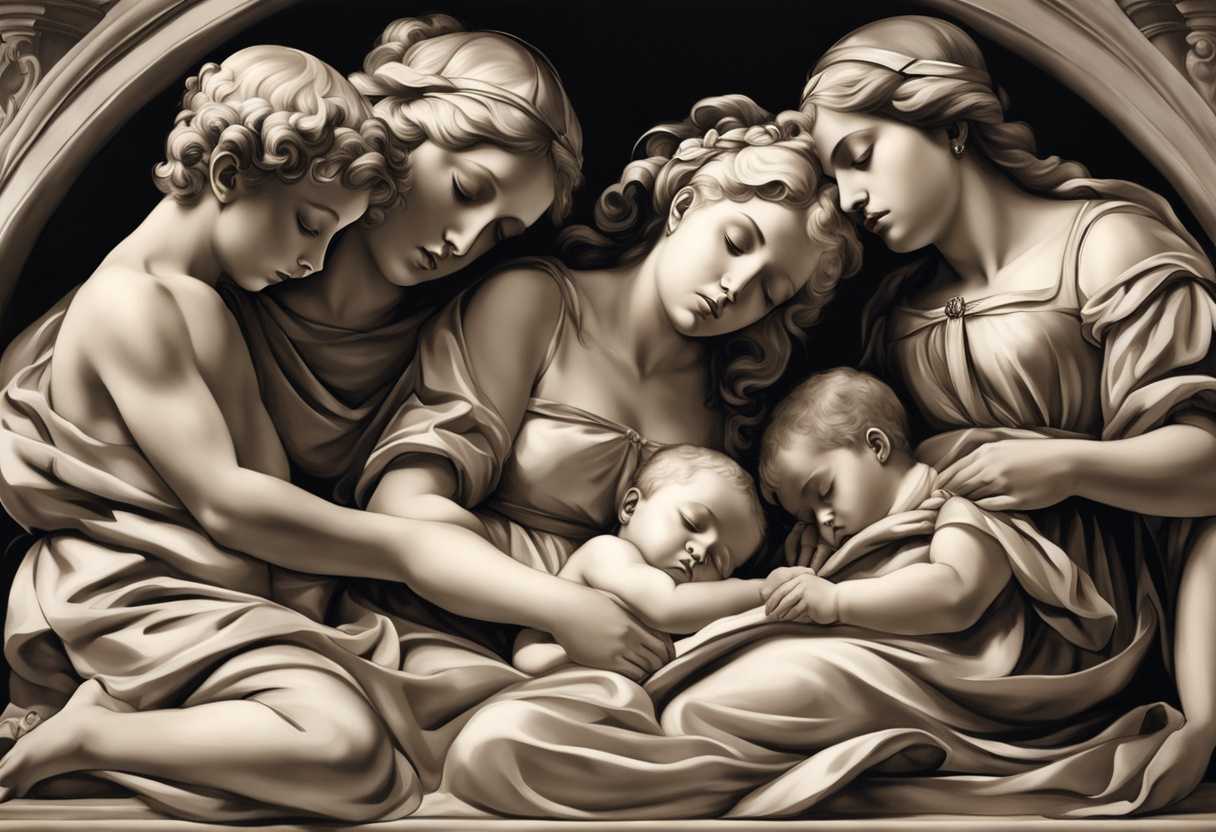
What does Lamentations 1:16-19 really mean?
Lamentations 1:16-19 is about the intense sorrow and devastation felt by the author as they witness the destruction of their city and the anguish of its inhabitants, pleading for God’s mercy and recognition of their immense suffering. 16 “For these things I weep; my eyes flow with tears; for a comforter is far from me,…
-

What does Jeremiah 52:12-14 really mean?
Jeremiah 52:12-14 is about the destruction of Jerusalem by the Babylonians, highlighting the fulfillment of God’s judgment upon the people for their disobedience and the stripping of the precious treasures from the temple as a symbol of the consequences of forsaking God’s ways. 12 In the fifth month, on the tenth day of the month—that…
-

What does Habakkuk 2:15-17 really mean?
Habakkuk 2:15-17 is about the consequences of exploiting others for personal gain and the judgment that will come upon those who build their lives on ill-gotten wealth and violence. 15 “Woe to him who makes his neighbors drink— you pour out your wrath and make them drunk, in order to gaze at their nakedness! 16…
-

What does Deuteronomy 18:1-2 really mean?
Deuteronomy 18:1-2 is about God providing for the material needs of the Levitical priests by instructing the Israelites to give them a portion of their crops and livestock as an offering. 1 “The Levitical priests, all the tribe of Levi, shall have no portion or inheritance with Israel. They shall eat the Lord’s food offerings…
-

What does Jeremiah 8:18-9:1 really mean?
Jeremiah 8:18-9:1 is about the deep sorrow and mourning of the prophet Jeremiah for the devastation and spiritual blindness of his people, expressing his desire to weep day and night for the affliction and unrepentant sin of the nation. 18 My joy is gone; grief is upon me; my heart is sick within me. 19…