
Category: Concepts and Abstract Ideas
-

What the Bible Says About Slightly Imperfect Meaning
The Bible does not specifically use the phrase “slightly imperfect,” but it acknowledges human imperfection through verses like Romans 3:23, which states that “all have sinned and fall short of the glory of God.” This highlights the inherent flaws in humanity, emphasizing the need for divine grace and redemption. Scripture 26 Then God said, “Let…
-

What the Bible Says About the Biblical Meaning of North, South, East, and West
In the Bible, cardinal directions often symbolize divine order and the fulfillment of God’s purpose. For instance, east is frequently associated with new beginnings or the coming of God’s presence, while the west can represent distance from God or the end of a journey. Scripture 14 The Lord said to Abram, after Lot had separated…
-

“What the Bible Says About the High Tower”
In the Bible, a high tower often symbolizes strength, safety, and protection, as seen in Proverbs 18:10, which states, “The name of the LORD is a strong tower; the righteous man runs into it and is safe.” It represents a refuge for the faithful, signifying God’s power and salvation. Scripture 10 The name of the…
-
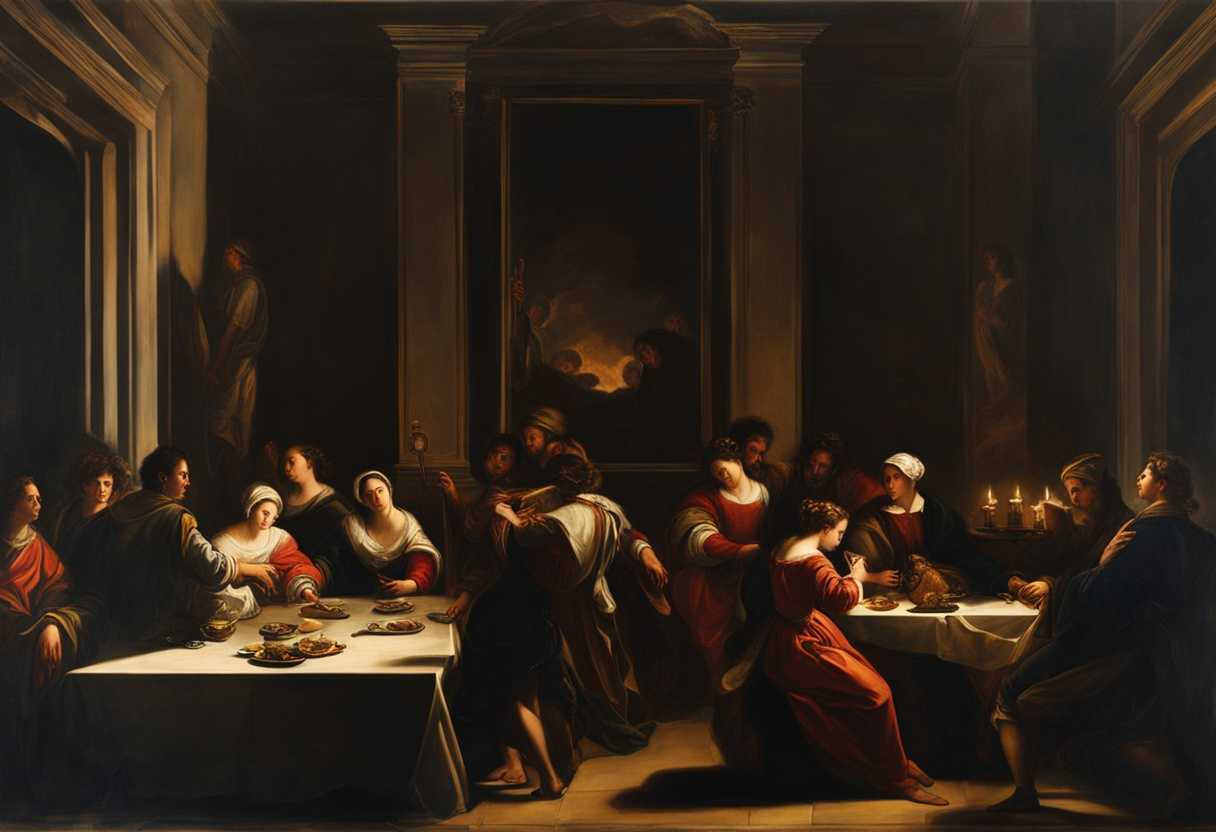
What the Bible Says About Casting Lots
In the Bible, casting lots refers to a method of making decisions or determining God’s will, often seen as an act of seeking divine guidance. It is mentioned in several instances, such as in Proverbs 16:33 and Acts 1:26, where it is portrayed as a way to select individuals or allocate resources based on chance,…
-

What the Bible Says About Bitterness
In the Bible, bitterness often symbolizes a deep-seated emotional pain and resentment that can stem from experiences of hurt or injustice (Hebrews 12:15). It is considered a destructive force that can lead to spiritual and relational strife, urging believers to seek reconciliation and forgiveness instead. Scripture 1 “I loathe my life; I will give free…
-

What the Bible Says About Work
In the Bible, work is often seen as a call to fulfill responsibilities and contribute to God’s creation, as seen in Genesis 2:15, where humanity is tasked to “work” and “keep” the Garden of Eden. Additionally, Colossians 3:23 emphasizes that whatever one does, it should be done wholeheartedly as if serving the Lord, highlighting the…
-

What the Bible Says About Ascribing Meaning
In the Bible, “ascribe” means to attribute or assign a characteristic or quality to God, particularly in the context of praise and worship, such as in Psalm 96:7 where believers are encouraged to ascribe glory and strength to the Lord. It emphasizes recognizing and honoring God’s attributes and works. Scripture 28 Ascribe to the Lord,…
-

What the Bible Books Mean: A Summary of Their Significance
The Bible consists of multiple books, each serving a unique purpose and conveying different messages. For example, Genesis outlines creation and the beginnings of humanity and Israel, while the Gospels (Matthew, Mark, Luke, and John) chronicle the life and teachings of Jesus Christ. Scripture 1 In the beginning, God created the heavens and the earth.…
-

What the Bible Says About Proclaiming
In the Bible, “proclaim” refers to the act of announcing or declaring a message, often related to the word of God or His deeds, as seen in passages like Isaiah 61:1, where it denotes bringing good news to the oppressed. It signifies a public declaration intended to inform and inspire others about faith and God’s…
-

What the Bible Says About Chambering
In the Bible, “chambering” refers to illicit sexual activity or sexual immorality, often associated with lust and fornication. It is mentioned in Romans 13:13 and Galatians 5:19 as part of behaviors that are contrary to a life of righteousness. Scripture 13 Let us walk properly as in the daytime, not in orgies and drunkenness, not…