
Category: Concepts and Abstract Ideas
-

What the Bible Says About Jest and Humor
In the Bible, “jesting” refers to inappropriate or foolish talk, often characterized by mocking or making light of serious matters. It is generally discouraged, as seen in Ephesians 5:4, which advises against coarse joking and emphasizes the importance of meaningful speech that gives thanks to God. Scripture 3 But sexual immorality and all impurity or…
-

What the Bible Says About Being Beguiled
In the Bible, “beguiled” typically means to deceive or lead someone astray, often through flattery or trickery. A notable example is found in 2 Corinthians 11:3, where the Apostle Paul expresses concern that believers might be led away from sincere devotion to Christ, similar to how Eve was beguiled by the serpent in the Garden…
-

What the Bible Says About “Hewn”
In the Bible, “hewn” refers to something that has been cut or shaped, typically from a solid material like stone or wood, often for construction or crafting purposes. It can symbolize God’s meticulous work in creating or refining believers, as seen in passages that discuss God shaping lives or nations. Scripture 22 The sister of…
-
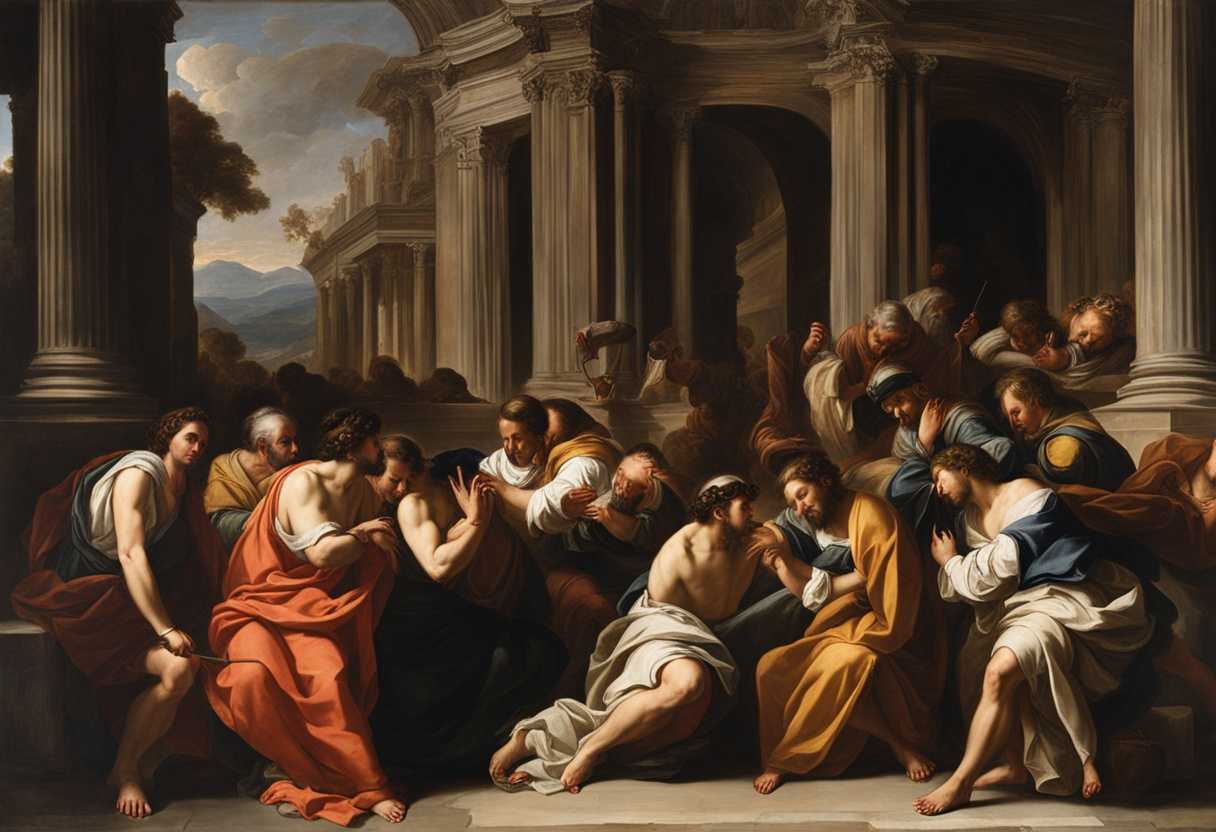
What the Bible Says About the Definition of “Prevailed”
In the Bible, “prevailed” often refers to overcoming or gaining victory, particularly in the context of spiritual battles or struggles against adversaries. It signifies a triumph that aligns with divine purpose, as seen in instances where God’s people overcome opposition through faith and perseverance. Scripture 28 Then he said, “Your name shall no longer be…
-

What the Bible Says About Distress
In the Bible, “distress” often refers to a state of deep sorrow, anguish, or trouble, often resulting from hardship, danger, or oppression. It is commonly associated with a call for help, as seen in passages where individuals seek divine assistance during times of suffering (Psalm 18:6, 34:17). Scripture 17 When the righteous cry for help,…
-

What the Bible Says About Being Contemned
In the Bible, “contemned” refers to being despised or held in low regard, often implying a rejection of God’s commandments or authority. It emphasizes a state of disfavor or dishonor in the sight of God or others, as seen in passages like Proverbs 13:13, which warns against despising the word of the Lord. Scripture 13…
-

What the Bible Says About Deliverance: Understanding Its Definition and Meaning
In the Bible, “deliver” often refers to the act of rescuing or setting free from danger, sin, or oppression, as seen in God’s promise to deliver His people (e.g., Psalm 34:19). It signifies both physical salvation from enemies and spiritual liberation from sin through faith in Jesus Christ (e.g., Romans 7:25). Scripture 8 and I…
-

What the Bible Says About Mansions: A Definition and Exploration
In the Bible, the term “mansion” is primarily derived from the Greek word “monē,” meaning a dwelling place or abode. In John 14:2, Jesus states, “In my Father’s house are many mansions,” which signifies the promise of a place in heaven for believers, emphasizing a permanent, comforting home in God’s presence. Scripture 2 In my…
-

What the Bible Says: Understanding the Meaning of Commentary
Bible commentary refers to a scholarly explanation or interpretation of biblical texts, providing insights into the historical context, language, and theology. It serves to enhance the reader’s comprehension and application of scripture, aiding in deeper study and reflection on God’s word. Scripture 1 My son, if you receive my words and treasure up my commandments…
-

What the Bible Says About the Meaning of Inditing
In the Bible, “inditing” refers to the act of composing or writing, particularly in a prophetic or inspired context. It often implies the divine influence behind the writing, as seen in verses like Psalm 45:1, where the psalmist speaks of his heart being stirred to write a noble theme. Scripture 1 My heart overflows with…