
Category: Concepts and Abstract Ideas
-

What the Bible Says About the Amplified Definition of Love
In the Amplified Bible, love is characterized as an unconditional, selfless commitment to the well-being of others, often exemplified by the love of God for humanity. It is described in 1 Corinthians 13:4-7 as patient, kind, and devoid of jealousy, pride, and selfishness, emphasizing its enduring and forgiving nature. Scripture 4 Love is patient and…
-

What the Bible Says: A Kid’s Guide to Understanding Its Meaning
The Bible is a special book that tells us about God, His love for us, and how we can live good lives. It has stories, lessons, and teachings that help us understand how to treat others and make wise choices. Scripture 1 In the beginning, God created the heavens and the earth. 2 The earth…
-

What the Bible Says About Ability: Understanding Its Definition and Significance
In the Bible, “ability” often refers to the God-given capacity or skill to perform tasks, fulfill roles, or serve others, as expressed in Matthew 25:15, which speaks of individuals being entrusted with talents according to their abilities. It highlights the importance of using one’s gifts responsibly and for the glory of God. Scripture 1 The…
-

What the Bible Says About Necessity: A Definition and Exploration
In the Bible, necessity often refers to an urgent need or requirement for survival or fulfillment of God’s will, as seen in Philippians 4:19, where God promises to supply all needs according to His riches. It also implies a moral obligation or duty, as emphasized in Romans 13:8, where believers are urged to owe no…
-

What the Bible Says About Figurativism: Understanding Symbolism in Scripture
Biblical figurativism refers to the use of figures of speech, symbols, and metaphors within the Scriptures to convey deeper spiritual meanings or truths. It emphasizes that certain passages may not be intended to be taken literally but rather represent broader moral or theological concepts. Scripture 1 After two whole years, Pharaoh dreamed that he was…
-

What the Bible Says About Feed: Nourishment for Body and Soul
In the Bible, “feed” often signifies providing nourishment, both physically and spiritually, as seen in passages like Psalm 23:1, where God is described as a shepherd who provides for His flock. It can also represent the act of teaching and guiding others in faith, exemplified in John 21:17, where Jesus instructs Peter to “feed my…
-

What the Bible Says About the Roar of the Lion
In the Bible, “roar” often symbolizes the powerful voice of God or a lion, representing strength, authority, and warning. It can indicate divine judgment or an impending threat, as seen in passages like Amos 3:8 and Psalm 104:21, where the roar of the lion signifies both majesty and danger. Scripture 2 And he said: “The…
-

What the Bible Says About the Definition of “Throw”
In the Bible, “throw” often signifies the act of casting away or relinquishing something, as seen in passages like Psalm 55:22, which advises believers to “cast your burden on the Lord.” It can also imply judgment or destruction, as in the parable of the weeds in Matthew 13:30, where it describes gathering and throwing away…
-

What the Bible Says About the Definition of Blaze
In the Bible, “blaze” often refers to a strong, burning fire that symbolizes divine presence or judgment, as seen in the burning bush in Exodus 3:2. It can also represent passion or fervor in one’s faith, highlighting the intensity of commitment to God’s will. Scripture 1 Now Moses was keeping the flock of his father-in-law,…
-
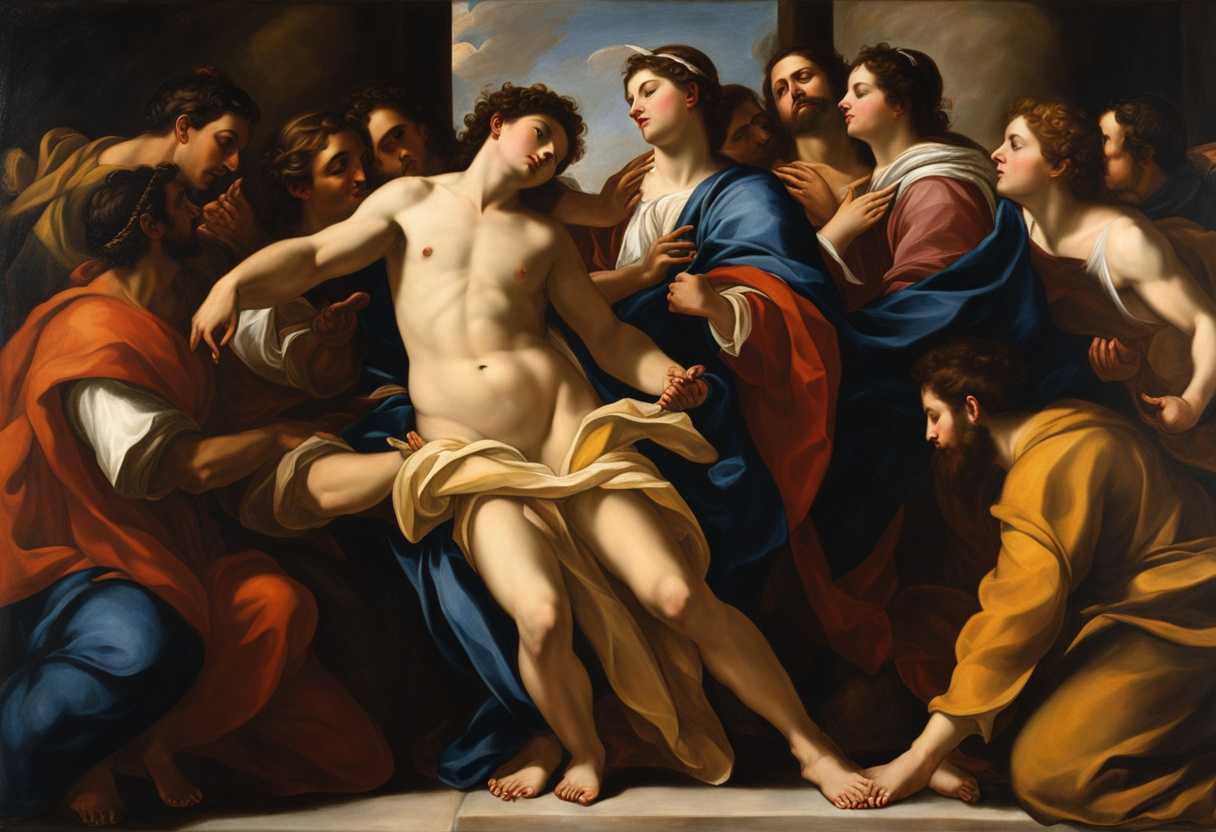
What the Bible Says About Being Compelled
In the Bible, “compelled” often refers to being driven or urged to act, sometimes by external forces or internal conviction, as seen in contexts such as serving others or fulfilling God’s will. For instance, in 2 Corinthians 5:14, Paul states that “the love of Christ compels us,” indicating a powerful motivation stemming from divine love.…