
Category: Concepts and Abstract Ideas
-

What the Bible Says About the Meaning of Synecdoche
In a biblical context, synecdoche refers to a literary device where a part is used to represent the whole or vice versa, often emphasizing a deeper theological or moral point. For example, referring to the “head” of a household can symbolize the entire family, illustrating roles and responsibilities within community and faith. Scripture 1 Now…
-

What the Bible Says About Troubled Seas
In the Bible, “troubled seas” often symbolize chaos, turmoil, or the challenges of life, reflecting the overwhelming nature of trials and tribulations. This imagery is used to illustrate spiritual struggle and the need for divine intervention, as seen in passages like Isaiah 57:20-21 and Matthew 14:24-32. Scripture 20 But the wicked are like the tossing…
-

What the Bible Says: An Overview of Each Book
The Bible consists of 66 books, each conveying distinct themes and messages. An overview of each book reveals a rich tapestry of history, theology, guidance, and prophecy, collectively illustrating God’s relationship with humanity and His plan for salvation. Scripture 1 In the beginning, God created the heavens and the earth. 2 The earth was without…
-

What the Bible Says About the Symbolic Meaning of Fat
In the Bible, fat often symbolizes abundance, blessings, and the best portions of offerings, signifying the richness of God’s provision. Conversely, in certain contexts, it can also represent excess and the consequences of indulgence, highlighting the importance of spiritual over material wealth. Scripture 16 All fat is the Lord’s. 17 It shall be a statute…
-

What the Bible Says: The Meaning of “Moreover”
In the Bible, “moreover” is often used as a transitional word that adds additional information, emphasizes a point, or draws a conclusion from previously stated ideas. It serves to connect thoughts, illustrating the continuity of themes or teachings within the scripture. Scripture 17 And to Adam he said, “Because you have listened to the voice…
-

What the Bible Says: Understanding 100 Key Meanings Through Strong’s Concordance
Strong’s Concordance is a reference tool that provides definitions and contexts for words in the Bible by assigning a unique number to each original Hebrew and Greek word, allowing for in-depth study of scripture. It helps readers explore the meanings and nuances of biblical terms to enhance their understanding of the text. Scripture 1 In…
-
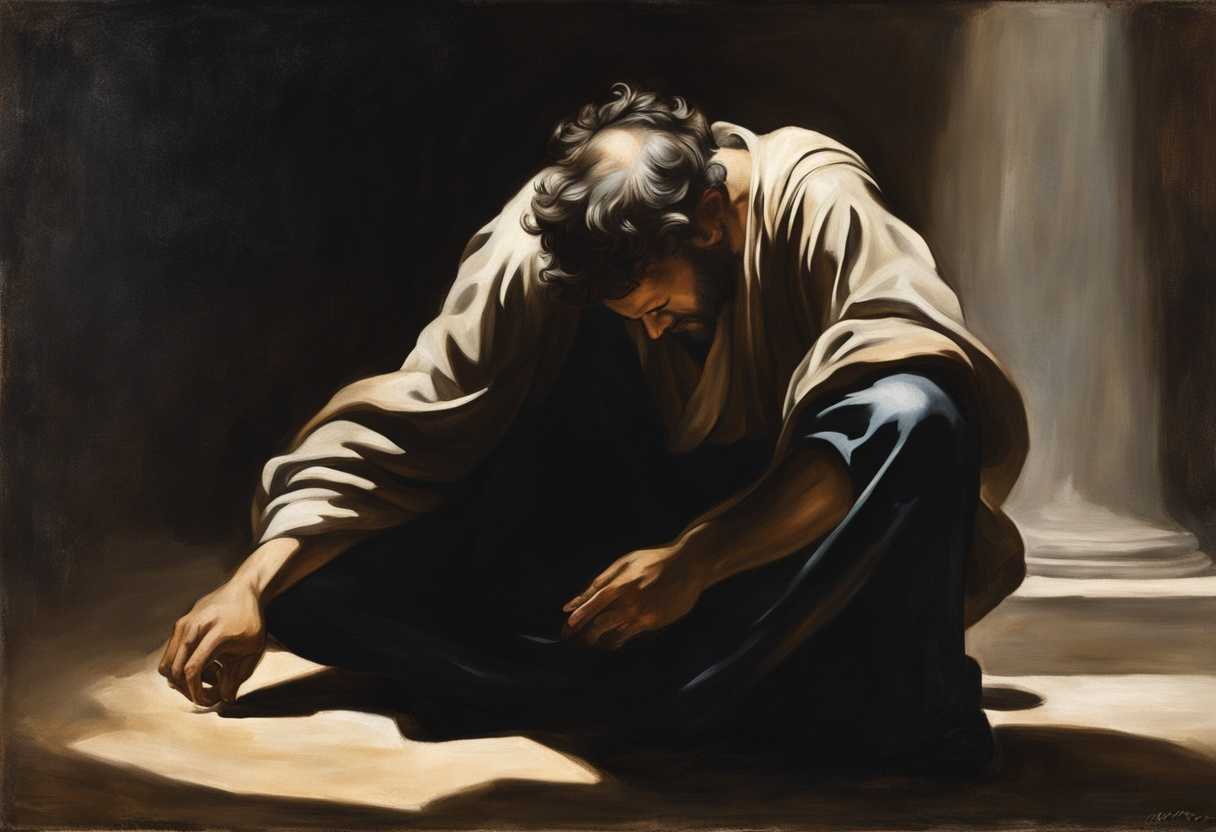
**What the Bible Says About Tragedy: Understanding Suffering Through Scripture**
In the Bible, tragedy often serves as a backdrop for exploring human suffering, faith, and the sovereignty of God. It can lead to profound lessons about hope, redemption, and reliance on divine grace, as seen in the stories of Job and the sufferings of Christ. Scripture 13 Now there was a day when his sons…
-

What the Bible Says About the Hebrew Meaning of Rose
In the Bible, the Hebrew word for “rose” is “ve’chor” (ורד), symbolizing beauty and love. It is often associated with the blooming of God’s creation and used poetically to convey themes of joy and hope, as seen in the Song of Solomon. Scripture 1 I am a rose of Sharon, a lily of the valleys.…
-

What the Bible Says About the Prophetic Meaning of Catching Fish
In the Bible, catching fish symbolizes the gathering of believers and the evangelistic mission of spreading the Gospel. This is exemplified in the call of the disciples, where Jesus states, “Follow me, and I will make you fishers of men” (Matthew 4:19), highlighting the transformative role of discipleship in seeking and saving the lost. Scripture…
-
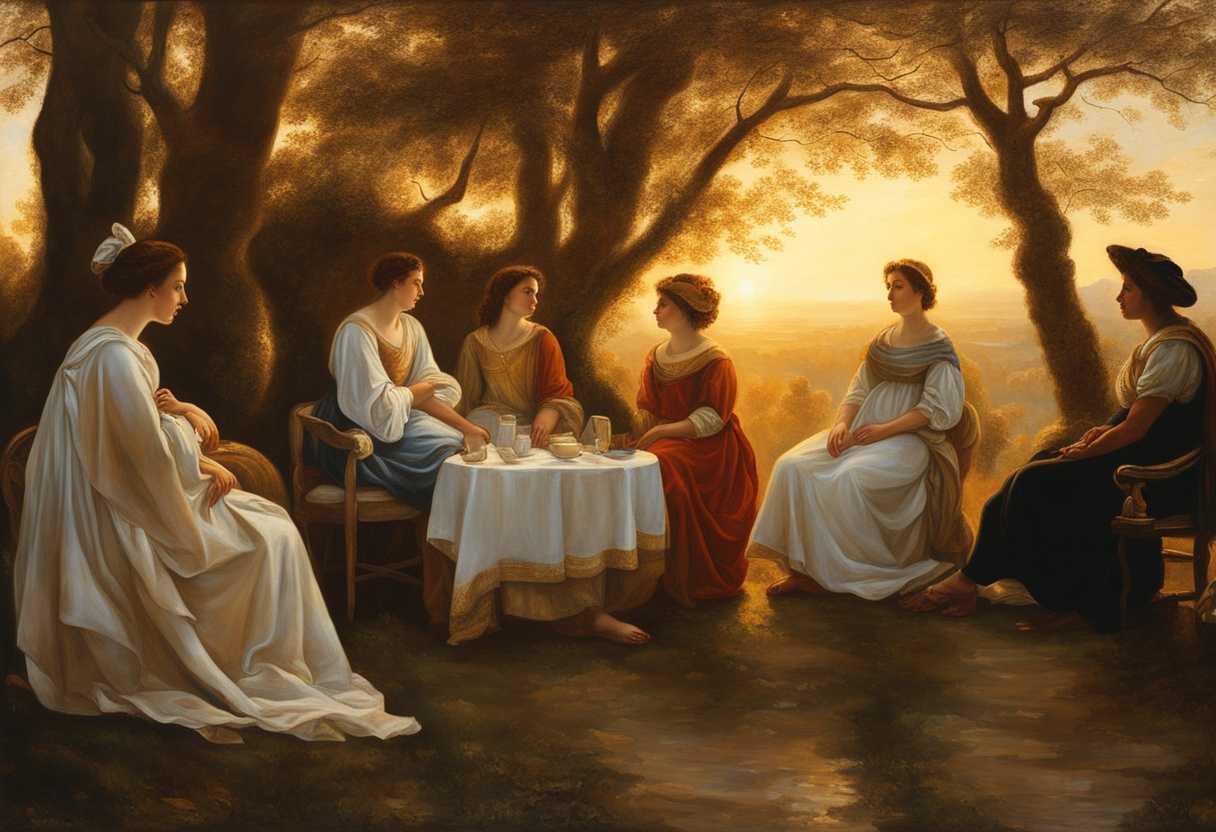
What the Bible Says About Tarrying
In the Bible, “tarry” generally means to wait or linger in a place. It often conveys a sense of remaining or delaying one’s departure, as seen in several passages where individuals are instructed to wait for a specific time or event (e.g., Luke 24:49). Scripture 55 But her brother and her mother said, “Let the…