
Category: Concepts and Abstract Ideas
-

What the Bible Says About Choice: Understanding Free Will and Divine Guidance
In the Bible, choice often refers to the act of selecting or deciding between options, emphasizing the moral and spiritual responsibilities involved. It highlights the importance of free will in obeying God’s commands and choosing righteousness over sin (Deuteronomy 30:19-20). Scripture 15 “See, I have set before you today life and good, death and evil.”…
-

What the Bible Says About the Meaning of Disaster
In the Bible, a disaster often refers to a catastrophic event or calamity that results from divine judgment or natural occurrences, serving as a warning or a consequence of disobedience to God. It underscores the fragility of human life and the need for repentance and reliance on God’s mercy. Scripture 5 The Lord saw that…
-

What the Bible Says About the Foal: Understanding Its Significance
In the Bible, a “foal” refers to a young horse or donkey, often symbolizing humility and peace. It is notably mentioned in Zechariah 9:9, where the arrival of a king riding on a foal signifies a humble and peaceful leader, fulfilled in the entry of Jesus into Jerusalem. Scripture 10 The scepter shall not depart…
-

What the Bible Says About Holdfast: A Definition and Its Significance
In the Bible, “holdfast” refers to a firm and unwavering grip on faith, doctrine, or commitment to God, as seen in Hebrews 10:23, which encourages believers to hold fast to their confession of hope. It symbolizes strength, perseverance, and steadfastness in a relationship with God and His promises. Scripture 20 You shall fear the Lord…
-

What the Bible Says About Milk: A Spiritual Nourishment Definition
In the Bible, milk often symbolizes nourishment, both physical and spiritual. It is used to represent the foundational teachings of the faith, as seen in 1 Peter 2:2, where believers are encouraged to crave “pure spiritual milk” for growth in their faith. Scripture 6 And Abraham went quickly into the tent to Sarah and said,…
-
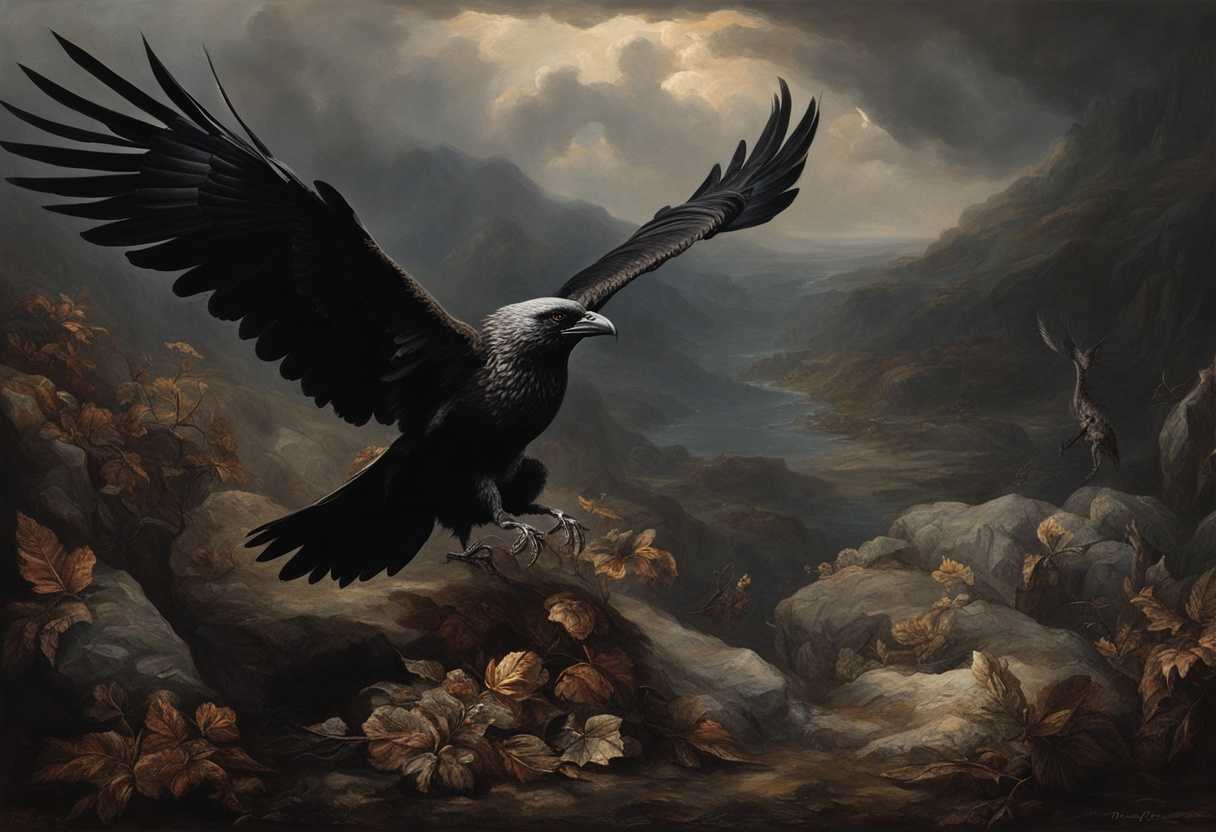
What the Bible Says About Ravening: Understanding Its Definition and Context
In the Bible, “ravening” refers to being greedy or predatory, often associated with violent or rapacious behavior. It can describe individuals or creatures that are insatiable and consume excessively, as seen in passages like Ezekiel 34:8, where it describes shepherds who are ravenous for their flock. Scripture 25 The conspiracy of her prophets in her…
-

What the Bible Says About Shuddering: Understanding Fear and Reverence
In the Bible, “shudder” often conveys a sense of fear or dread, typically in response to the awareness of God’s power or judgment. It reflects a deep emotional or spiritual reaction to the divine or to evil, as seen in passages like Job 26:5 and Jeremiah 5:22. Scripture 18 But someone will say, “You have…
-

What the Bible Says About Togetherness
In the Bible, “together” often signifies unity and harmony among individuals, as seen in passages like Acts 2:44, where believers shared all things in common. It underscores the importance of community and fellowship in the faith, reflecting the idea that believers are one body in Christ (1 Corinthians 12:12-13). Scripture 18 Then the Lord God…
-

What the Bible Says About Wool and Flax
In the Bible, wool and flax symbolize qualities of strength, purity, and resourcefulness. Wool is often associated with warmth and protection, while flax, used to make linen, represents fine craftsmanship and the beauty of God’s creations. Scripture 10 An excellent wife who can find? She is far more precious than jewels. 11 The heart of…
-

What the Bible Says About the Meaning of Highway
In the Bible, highways often symbolize paths of righteousness and spiritual journeys, representing the ways in which God’s guidance leads believers. They are mentioned in contexts that emphasize preparation for the Lord’s coming and the call for people to walk in His ways (Isaiah 40:3, Proverbs 3:6). Scripture 8 And a highway shall be there,…