
Category: Concepts and Abstract Ideas
-

What the Bible Says About “Nigh”
In the Bible, “nigh” is an archaic term meaning “near” or “close.” It often refers to physical proximity or spiritual closeness to God or His promises. Scripture 20 Then the Lord said, “Because the outcry against Sodom and Gomorrah is great and their sin is very grave, 21 I will go down to see whether…
-

What the Bible Says About Prosperity
In the Bible, “prosperous” refers to experiencing success, flourishing, or thriving, often in the context of God’s blessings and favor. This is exemplified in passages such as Joshua 1:8, where meditating on God’s word leads to prosperity and success in one’s endeavors. Scripture 18 You shall remember the Lord your God, for it is he…
-

What the Bible Says About the Definition of “Shewing”
In the Bible, “shewing” refers to the act of demonstrating, revealing, or making known something, often used in the context of sharing divine truths or teachings. It emphasizes the importance of proclamation and witnessing to God’s works and commandments. Scripture 5 The Lord descended in the cloud and stood with him there, and proclaimed the…
-

What the Bible Says About Expectation
In the Bible, expectation refers to a hopeful anticipation of God’s promises and deliverance, as seen in passages like Psalm 62:5, where the psalmist expresses trust in God’s provision. It reflects a faith-filled outlook, relying on the belief that God will fulfill His word and bring about good in one’s life. Scripture 5 For God…
-

What the Bible Says About Tumult
In the Bible, “tumult” refers to a state of confusion, chaos, or uproar, often associated with loud noise or disorderly commotion. It is used to describe both physical disturbances, such as battles or riots, and spiritual or emotional turmoil. Scripture 1 God is our refuge and strength, a very present help in trouble. 2 Therefore…
-

What the Bible Says About Insolence: Understanding Its Definition and Implications
Insolent in the Bible refers to someone who displays arrogance, disrespect, or scorn, particularly towards authority or divine commands. This attitude is often condemned as it contradicts the principles of humility and reverence found in Scripture, such as in Proverbs 21:24, which describes the insolent as “scoffers” who bring trouble upon themselves. Scripture 24 “Scoffer”…
-

What the Bible Says About Revolution: Understanding Its Meaning
The term “revolution” is not explicitly defined in the Bible, but it can be associated with themes of significant change, upheaval, or transformation in societal or spiritual contexts. Biblical narratives often depict revolutions in the form of God’s intervention, the overthrow of oppressors, or the establishment of God’s kingdom, such as in the stories of…
-
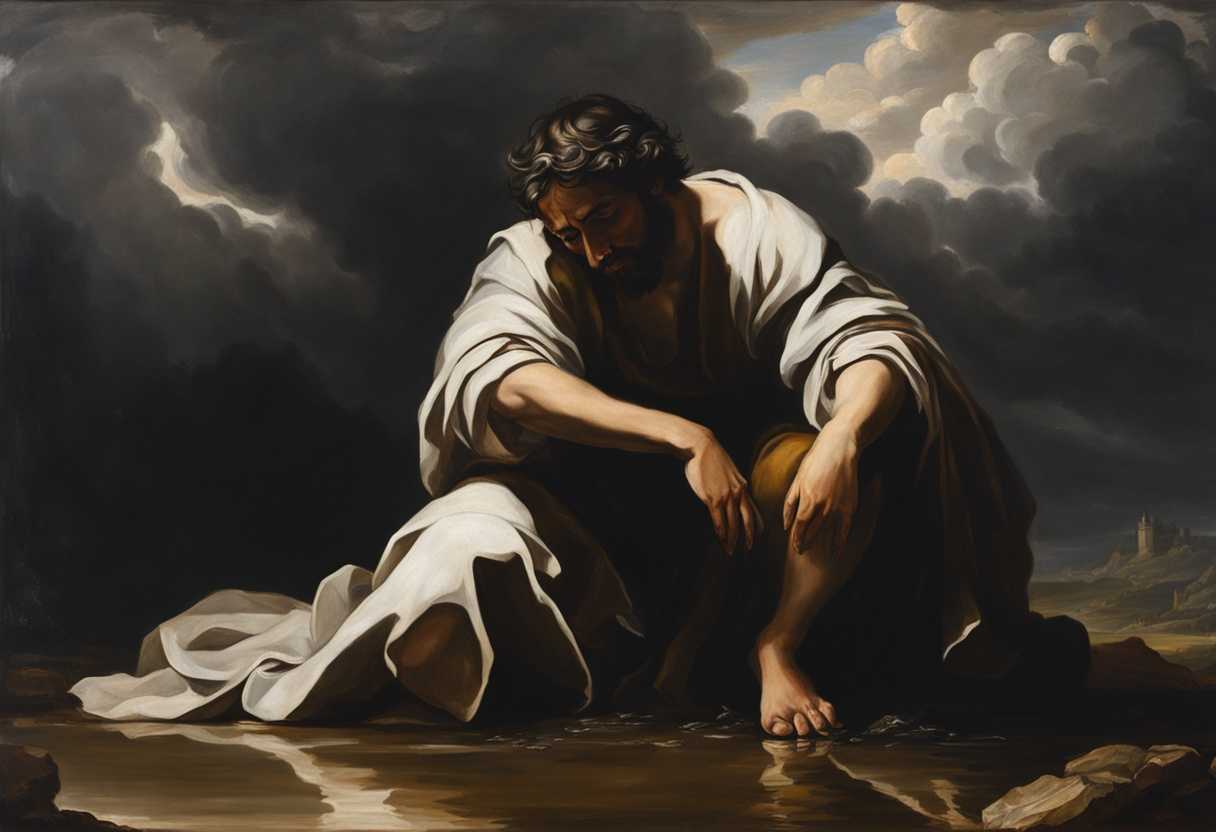
What the Bible Says About the Meaning of Mire
In the Bible, “mire” refers to a muddy or swampy area, symbolizing distress or a situation of being trapped and in trouble. It often represents spiritual or emotional struggles, as seen in Psalms 69:2, where the psalmist describes being overwhelmed and seeking deliverance from God’s saving hand. Scripture 1 I waited patiently for the Lord;…
-

What the Bible Says About the Meaning of “Compel”
In the Bible, “compel” generally refers to the act of urging or forcing someone to act, often with a sense of strong influence or necessity. It appears in contexts such as the call to follow God’s will or in the parable of the Great Feast, where servants are instructed to compel guests to come (Luke…
-

What the Bible Says About Kine: Understanding Its Definition and Significance
In the Bible, “kine” is an archaic term used to refer to female cattle or cows. It appears in various contexts, often symbolizing abundance or wealth, particularly in agrarian societies. Scripture 24 And God said, “Let the earth bring forth living creatures according to their kinds—livestock and creeping things and beasts of the earth according…