
Category: Concepts and Abstract Ideas
-

What the Bible Says About Greek and the Absence of Definite Articles
In the Greek Bible, the absence of definite articles can indicate a more general or abstract sense of a noun, rather than a specific or identified instance. This usage invites interpretation, as it may emphasize broader themes or concepts rather than particular entities. Scripture 1 In the beginning was the Word, and the Word was…
-

What the Bible Says About the Meaning of Life: Insights from Book Notes
Bible book notes typically refer to the explanatory or interpretive notes found in study Bibles, which provide context, commentary, and insights on the text. These notes aim to enhance the reader’s understanding of the Scripture by illuminating historical, cultural, and theological aspects. Scripture 16 All Scripture is breathed out by God and profitable for teaching,…
-
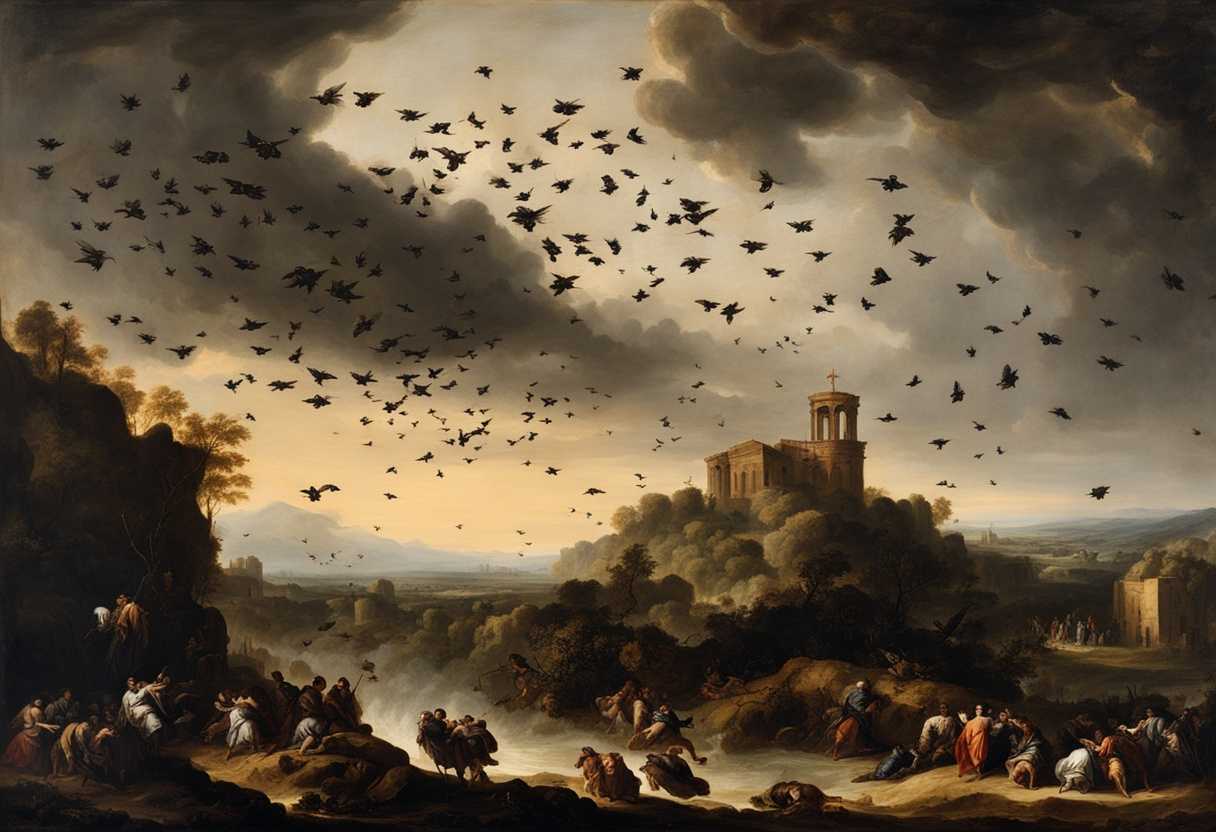
What the Bible Says About Flies in Your House: A Symbolic Interpretation
In the Bible, flies often symbolize decay, corruption, and pestilence. For example, in Exodus 8:21-24, the plague of flies demonstrates God’s power over Egypt’s gods and represents disorder and judgment within the home. Scripture 20 Then the Lord said to Moses, “Rise up early in the morning and present yourself to Pharaoh, as he goes…
-

What the Bible Says About Selah Grace Meaning
In the Bible, “Selah” is a term found in the Psalms, often interpreted as a pause for reflection or a musical interlude, inviting readers to contemplate the preceding verses. “Grace” refers to the unmerited favor and love of God toward humanity, exemplified by the salvation offered through Jesus Christ (Ephesians 2:8-9). Scripture 1 O Lord,…
-

What the Bible Says About Strife
In the Bible, “strife” refers to conflict, contention, or struggle often resulting from disagreements or rivalry among individuals or groups (Proverbs 20:3; James 3:16). It is generally viewed negatively, as it can lead to discord and disrupt harmony within relationships and communities. Scripture 12 Hatred stirs up strife, but love covers all offenses. Proverbs 10:12-12…
-

What the Bible Says About Adversity
In the Bible, adversity often refers to difficult or challenging circumstances that test faith and character, leading to spiritual growth and reliance on God. It is frequently depicted as a means through which believers can develop perseverance and draw closer to God, as seen in passages like James 1:2-4, which encourages seeing trials as opportunities…
-

What the Bible Says About Travail
In the Bible, “travail” often refers to the intense labor and suffering associated with childbirth or the struggles faced during difficult times. It symbolizes both physical suffering and the spiritual or emotional distress experienced while awaiting deliverance or relief (e.g., Isaiah 26:17-18, Jeremiah 22:23). Scripture 16 To the woman he said, “I will surely multiply…
-

What the Bible Says About the Meaning of Expanse
In the Bible, particularly in Genesis 1:6-8, “expanse” (Hebrew: “raqia”) refers to the structure created by God to separate the waters above from the waters below, often interpreted as the sky or firmament. It signifies God’s creation and the order established in the universe. Scripture 6 And God said, “Let there be an expanse in…
-

What the Bible Says About the Definition of Abounded
In the Bible, “abounded” refers to the idea of overflowing or being rich in a quality, particularly in grace, love, mercy, or blessings. It signifies an abundance that exceeds normal limits, often highlighting God’s generous provision for humanity (e.g., Romans 5:20). Scripture 20 Now the law came in to increase the trespass, but where sin…
-

What the Bible Says About the Firmament: Definition in KJV
In the Bible (KJV), the term “firmament” refers to the expanse or dome that separates the waters above from the waters below, as described in Genesis 1:6-8. It represents God’s creation of the sky or heavens, acting as a barrier that holds the celestial bodies. Scripture 6 And God said, “Let there be an expanse…