
Category: Doctrines and Beliefs
-

What the Bible Says About Execration: Understanding Its Meaning and Context
In the Bible, “execration” refers to a formal expression of loathing or cursing, often directed towards individuals, nations, or actions that are in direct opposition to God’s will. It is associated with divine judgment and the condemnation of sin, highlighting the seriousness with which God views disobedience. Scripture 15 “‘Cursed be the man who makes…
-

What the Bible Says About “Let My People Go”
“Let My People Go” refers to God’s command to Pharaoh through Moses, demanding the release of the Israelites from slavery in Egypt, as recounted in the book of Exodus (Exodus 5:1). This phrase signifies God’s desire for freedom and liberation for His people, symbolizing the importance of justice and divine intervention in human affairs. Scripture…
-

What the Bible Says About Continence: A Definition and Exploration
In the Bible, continence refers to self-control and restraint, particularly in relation to sexual desires and impulses. It is often associated with virtue and the ability to remain chaste or temperate, as seen in passages like 1 Corinthians 7:9, which speaks to the importance of self-mastery. Scripture 1 Now concerning the matters about which you…
-

What the Bible Says About the Meaning of “Occupy”
In the Bible, “occupy” generally refers to engaging in productive work or stewardship, often linked to the idea of being faithful in one’s responsibilities. This concept is illustrated in Luke 19:13, where servants are instructed to “occupy till I come,” emphasizing active participation in their master’s affairs until his return. Scripture He said therefore, “A…
-
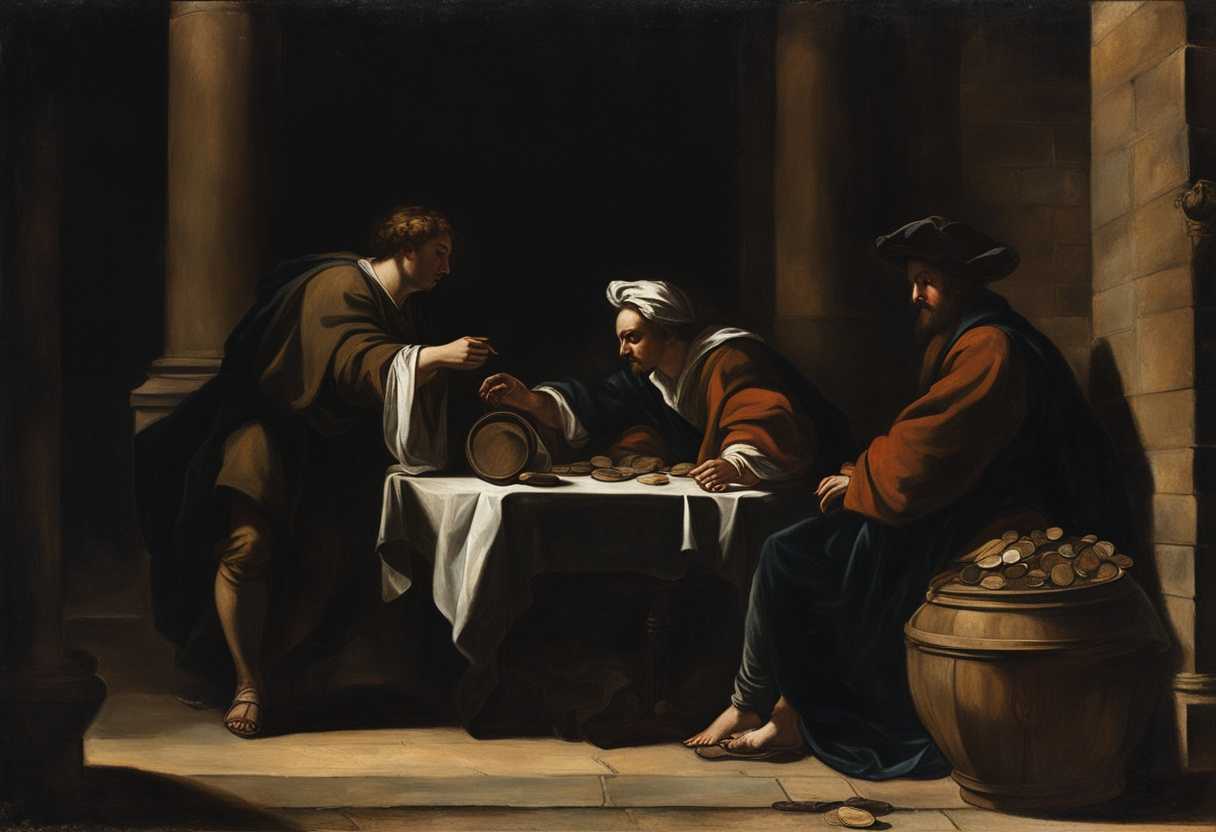
What the Bible Says About Defraud: Understanding Its Meaning and Implications
In the Bible, to defraud means to cheat or wrong someone, particularly in matters of finance or justice, violating the commandment to love and respect one’s neighbor. It is often associated with dishonest gain and is admonished in passages like 1 Thessalonians 4:6, which warns not to take advantage of or defraud a brother in…
-

What the Bible Says About Justification: Understanding Its Definition and Meaning
In the Bible, a “justifier” refers to God or Jesus Christ as the one who declares sinners righteous through faith and grace, particularly illustrated in Romans 3:26. This act of justification is seen as a divine response to human sinfulness, enabling believers to be reconciled with God. Scripture 21 But now the righteousness of God…
-

What the Bible Says About Procreation: Understanding Its Meaning
In the Bible, procreation refers to the act of producing offspring, which is viewed as a divine command and blessing from God, as seen in Genesis 1:28 where God instructs humanity to “be fruitful and multiply.” It emphasizes the continuation of life and the establishment of families as part of God’s creation order. Scripture 27…
-

What the Bible Says About the Transfer of Wealth
In the Bible, the transfer of wealth often symbolizes God’s sovereignty in redistributing resources according to His divine purposes, as seen in verses like Proverbs 13:22, which states that the wealth of the sinner is laid up for the righteous. It reflects the idea that God can shift resources from one group to another to…
-

What the Bible Says About the Black Sheep: Understanding Its Meaning
In biblical context, a “black sheep” often symbolizes one who is different or strays from the norm, particularly in a family or community setting. This term can reflect the idea of being marginalized or misunderstood, as seen in the parables that emphasize redemption and the celebration of those who return after wandering away, such as…
-

What the Bible Says About False Accusers
In the Bible, particularly in 2 Timothy 3:3, “false accusers” refers to individuals who slander or make unfounded allegations against others, often harming their reputation. These individuals are characterized as morally corrupt and part of a broader list of sinful behaviors in the last days. Scripture 16 There are six things that the Lord hates,…