
Category: Doctrines and Beliefs
-

What the Bible Says About the Divided Kingdom
In the Bible, the term “divided kingdom” refers to the splitting of the united kingdom of Israel into two separate entities: the northern kingdom of Israel and the southern kingdom of Judah, following the reign of King Solomon (1 Kings 12:16-20). This division symbolizes the political, spiritual, and social fragmentation of God’s chosen people, leading…
-

What the Bible Says About Fallibility: Understanding Its Definition
In the Bible, “fallible” refers to the human capacity to make mistakes and sin, highlighting the imperfection of humans in contrast to the perfection of God. Scriptures such as Romans 3:23, which states that “all have sinned and fall short of the glory of God,” emphasize this inherent human fallibility. Scripture 1 Now the serpent…
-

What the Bible Says About Hymns: Definition and Significance
In the Bible, hymns are religious songs of praise and worship directed towards God, often expressing joy, gratitude, and devotion. They are used in both corporate worship and personal prayer, as seen in various psalms and in the practices of the early Christian church. Scripture 19 addressing one another in psalms and hymns and spiritual…
-

What the Bible Says About Ministries: A Definition and Exploration
In the Bible, ministries refer to various forms of service and roles undertaken by believers to fulfill God’s purpose and serve the church and community, as exemplified in passages like Ephesians 4:11-12, where roles such as apostles, prophets, evangelists, pastors, and teachers are highlighted. The ultimate aim of ministries is to equip the saints for…
-

What the Bible Says About Respect
In the Bible, respect is often expressed as honoring and valuing others, recognizing their inherent worth as creations of God. Key passages, such as 1 Peter 2:17 and Ephesians 6:2, emphasize honoring authority and showing love and consideration toward one another. Scripture 17 Honor everyone. Love the brotherhood. Fear God. Honor the emperor. 18 Servants,…
-
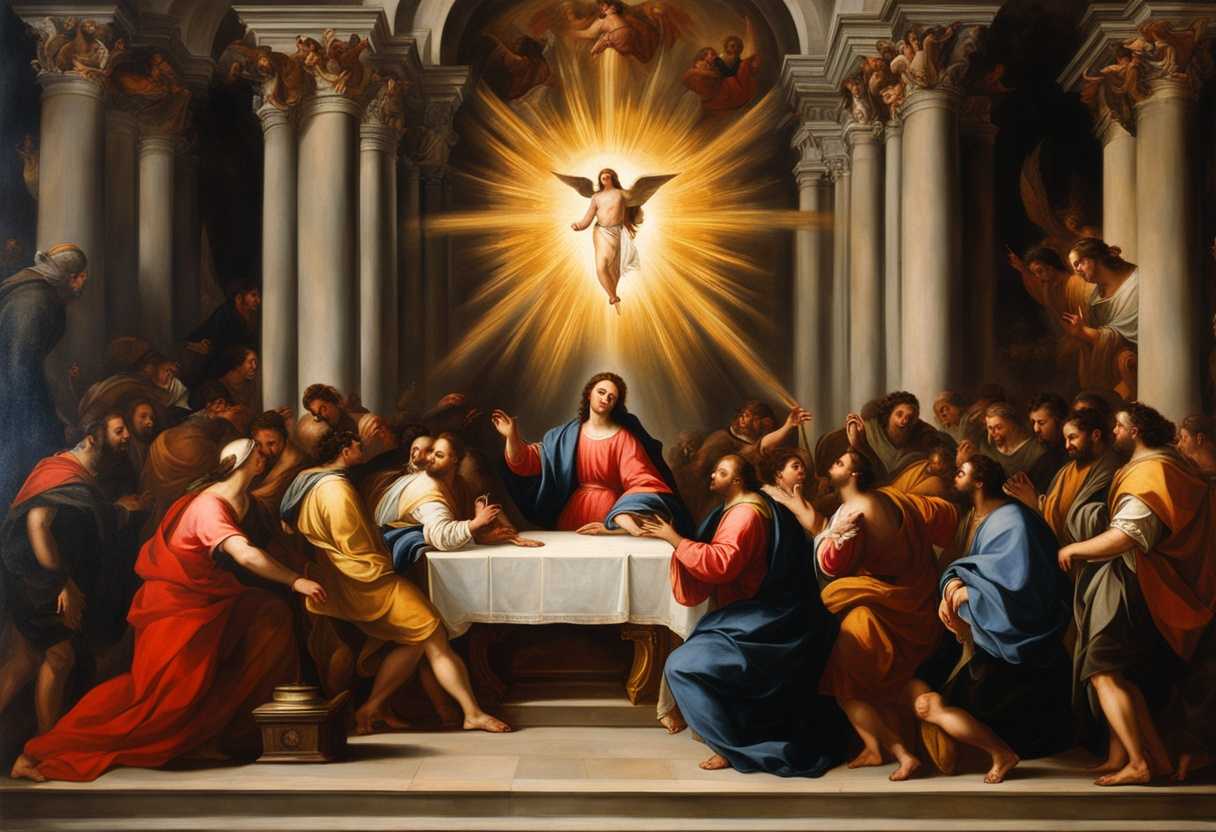
What the Bible Says About Testimony: A KJV Perspective
In the Bible, “testimony” refers to a declaration or witness of God’s acts, commandments, or truths, often seen in the context of the Law and the prophetic witness. It emphasizes the importance of sharing personal experiences of faith and God’s faithfulness, as seen in verses like Revelation 12:11, where believers overcome by the blood of…
-

What the Bible Says About Unbelieving Hearts
In the Bible, “unbelieving” refers to a lack of faith or trust in God and His promises, often highlighted in contexts of rebellion or rejection of divine truths (Hebrews 3:12). It signifies a heart that does not accept the gospel and its message of salvation (Mark 16:14). Scripture 53 And when Jesus had finished these…
-
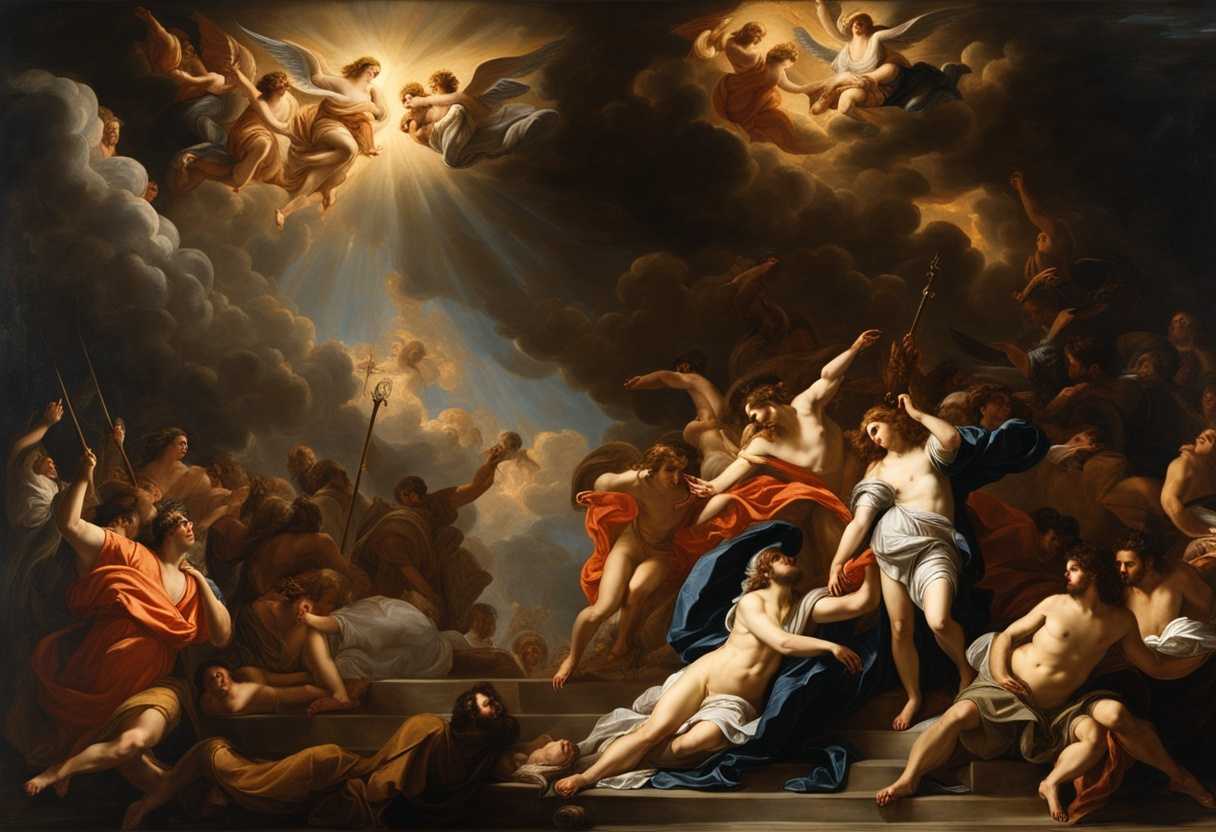
What the Bible Says About the Jugement Dernier
Le Dernier Jugement, dans la Bible, se réfère au moment où Dieu jugera tous les êtres humains à la fin des temps, selon leurs actions et leur foi (Apocalypse 20:11-15). Ce jugement déterminera leur destinée éternelle, soit en vie éternelle avec Dieu, soit en séparation éternelle. Scripture 31 “When the Son of Man comes in…
-

What the Bible Says About Being Equipped
In the Bible, being “equipped” often refers to being prepared or supplied with the necessary tools or resources to fulfill a task or purpose, often in the context of spiritual readiness. This concept is illustrated in 2 Timothy 3:17, which states that Scripture equips believers for every good work. Scripture 16 All Scripture is breathed…
-

What the Bible Says About Offending: A Greek Perspective
In the Bible, the Greek term for “offending” often comes from the word “skandalon,” which refers to a stumbling block or trap that causes someone to fall into sin or temptation. It signifies actions or behaviors that lead others away from righteousness or cause them to sin. Scripture 6 but whoever causes one of these…