
Category: Doctrines and Beliefs
-

What the Bible Says About Translations Affecting the Integrity of Original Meaning
The impact of Bible translations on original meaning can be significant, as variations in language, cultural contexts, and interpretive choices can alter the nuances of scripture. Different translations may emphasize varying theological concepts, potentially leading to different understandings among readers and denominations. Scripture 2 You shall not add to the word that I command you,…
-

What the Bible Says About Marriage: A King James Perspective
In the King James Bible, marriage is defined as a divinely instituted union between a man and a woman, intended for companionship, intimacy, and the procreation of children, as reflected in Genesis 2:24: “Therefore shall a man leave his father and mother, and shall cleave unto his wife: and they shall be one flesh.” Scripture…
-

What the Bible Says About Malignity: Definition and Insights from the KJV
In the King James Version (KJV) of the Bible, “malignity” refers to a deep-seated and harmful maliciousness or ill-will towards others. It is often associated with malevolent actions or attitudes, embodying an intent to harm or cause suffering (Romans 1:29). Scripture 28 And since they did not see fit to acknowledge God, God gave them…
-

What the Bible Says About “It Is Better to Give Than to Receive”
The phrase “better to give than to receive” reflects the biblical principle found in Acts 20:35, where it emphasizes the value of generosity and selflessness over mere material gain. It underscores the idea that giving enriches the giver, fostering community and love. Scripture 32 And now I commend you to God and to the word…
-
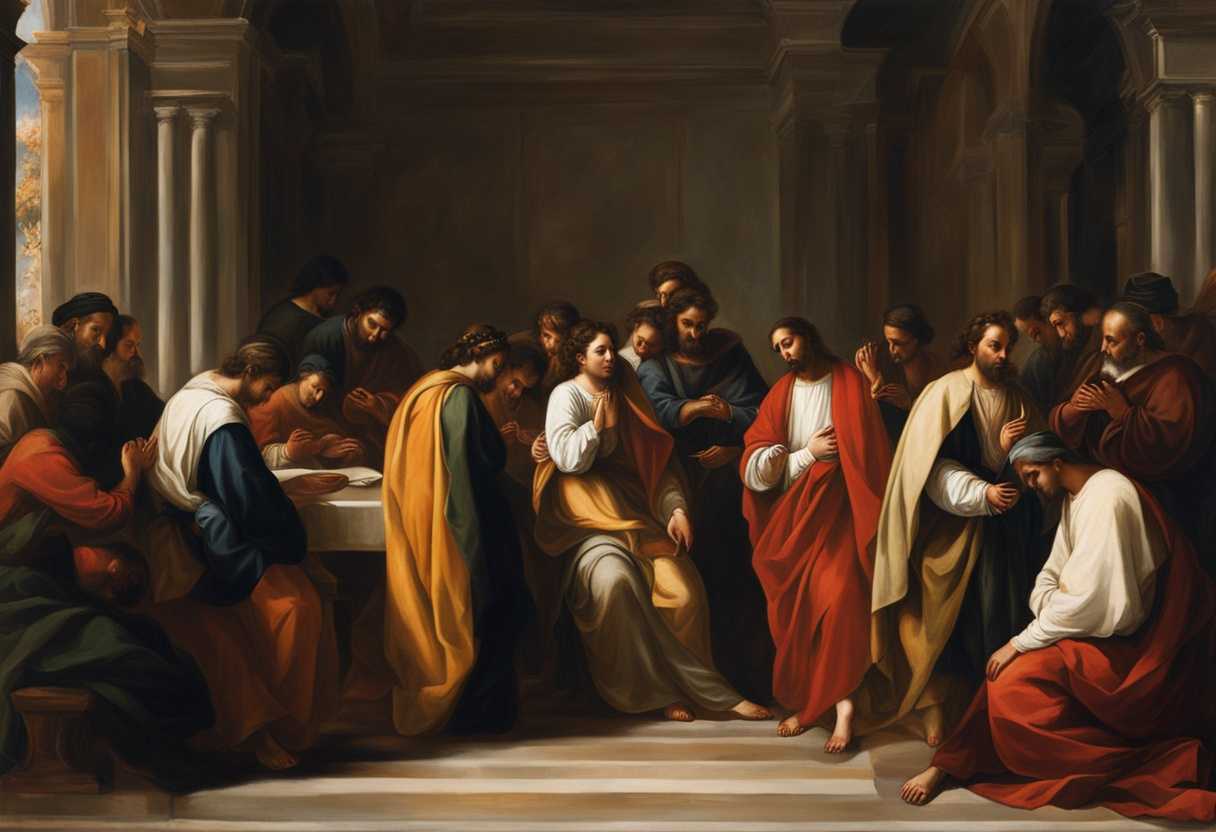
What the Bible Says About Not Calling Yourself a Rabbi
In the Bible, specifically in Matthew 23:8-10, “do not call yourself a rabbi” emphasizes humility and the importance of recognizing that all followers of Christ are equals under God, discouraging the elevation of certain individuals through titles. It teaches that God is the ultimate authority and guide in spiritual matters, rather than human leaders. Scripture…
-

What the Bible Says About Honoring Thy Father: Understanding Its Meaning
“Honor thy father” is a commandment found in Exodus 20:12, which calls for children to show respect, obedience, and care for their parents. This principle emphasizes the importance of family relationships and the value of honoring those who have authority and responsibility within the family structure. Scripture 12 “Honor your father and your mother, that…
-

What the Bible Says About “Pisseth Against the Wall”
In the Bible, “pisseth against the wall” is a phrase found in 1 Kings 14:10 and refers to male individuals, symbolizing those who are strong or of warrior status. It is often interpreted as a metaphor for God’s judgment against unfaithfulness, emphasizing the totality of the destruction that will come upon a house or lineage.…
-

What the Bible Says About the Synagogue of Satan
The term “synagogue of Satan” appears in Revelation 2:9 and 3:9, where it refers to a group of individuals who falsely claim to be Jewish but oppose the followers of Christ. It symbolizes a community that stands in opposition to God’s people and their beliefs, reflecting spiritual deception and opposition. Scripture 8 “And to the…
-

What the Bible Says About a Bible-Believing Church
A Bible-believing church is defined as a congregation that upholds and teaches the Scriptures as the authoritative and infallible Word of God. It emphasizes the importance of Scripture for faith and practice, striving to align its beliefs and actions with biblical teachings. Scripture 42 And they devoted themselves to the apostles’ teaching and the fellowship,…
-

What the Bible Says About Appropriation: Understanding Its Meaning
In the Bible, appropriation generally refers to the act of taking something for oneself, often seen in the context of faith where believers claim God’s promises and blessings. It emphasizes the personal acceptance and application of God’s provisions in one’s life, as seen in passages that encourage faith and trust in God’s divine gifts and…