
Category: Doctrines and Beliefs
-

What the Bible Says About Peter’s Name Change
In the Bible, Peter’s name change from Simon to Peter (meaning “rock”) signifies his foundational role in the Church as a leader and steadfast believer in Christ (Matthew 16:18). This transformation highlights the authority bestowed upon him by Jesus and symbolizes his commitment to faith and mission. Scripture 13 Now when Jesus came into the…
-

What the Bible Says About the Biblical Meaning of Just
In the Bible, “just” refers to being righteous and morally upright; it signifies living in accordance with God’s standards and laws. It often describes individuals who are faithful, honest, and act with integrity, reflecting God’s character in their actions (e.g., Deuteronomy 32:4; Proverbs 21:15). Scripture 23 Then Abraham drew near and said, “Will you indeed…
-

What the Bible Says About Biblical Reproof
Biblical reproof refers to the act of correcting or rebuking someone in a spirit of love and truth, often intended to guide them back to righteous living (Proverbs 3:11-12). It serves as a means of instruction and discipline, reflecting God’s desire for believers to grow in wisdom and righteousness. Scripture 11 My son, do not…
-

What the Bible Says About the Meaning of Petition
In the Bible, a petition refers to a request or prayer made to God, often expressed in faith and earnestness, seeking His intervention or assistance in a particular situation (Philippians 4:6). It signifies a deep reliance on God’s providence and the act of bringing one’s needs before Him (James 5:16). Scripture 14 And this is…
-

What the Bible Says About Immoral Behavior
In the Bible, “immoral” refers to actions or behaviors that violate God’s commandments or moral laws, often associated with sexual sins and unethical conduct. It signifies a departure from the righteousness expected of believers, as highlighted in passages such as 1 Corinthians 5:9-11, which admonishes against associating with those who practice immorality. Scripture 19 Now…
-

What the Bible Says About the Meaning of a Scorner
In the Bible, a “scorner” refers to a person who mocks, ridicules, or expresses contempt, particularly towards wisdom and instruction (Proverbs 9:7-8). Scorners are often characterized by their disdain for authority and truth, leading to their ultimate downfall (Proverbs 3:34). Scripture 22 “How long, O simple ones, will you love being simple? How long will…
-

What the Bible Says About Condemnation: Understanding Its Meaning
In the Bible, “condemn” generally refers to declaring someone guilty or deserving of punishment, often in relation to sin and moral failure. It emphasizes God’s judgment against wrongdoing, as seen in passages like John 3:18, where it states that those who do not believe are already condemned. Scripture 17 For God did not send his…
-

What the Bible Says About the Meaning of Woman
In the Bible, women are often portrayed as vital figures in salvation history, embodying faith, strength, and resilience; examples include figures like Miriam, Ruth, and Mary, the mother of Jesus. Their roles signify God’s inclusion and value of women in His divine plan, emphasizing their contributions to family, community, and spiritual life. Scripture 26 Then…
-
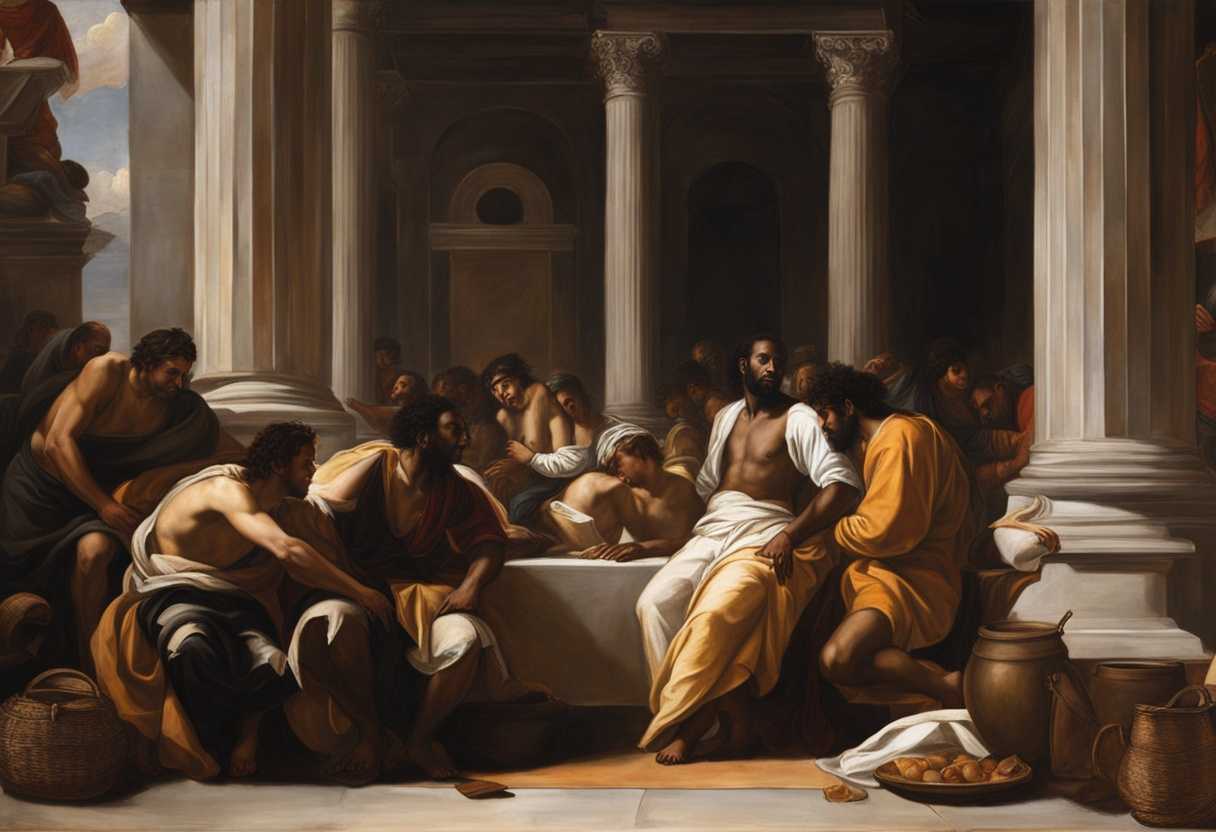
What the Bible Says About the Definition of a Slave
In the Bible, slavery is often defined as a state of being under the control of another person, where a slave serves their master and is subject to their authority. It is addressed in various contexts, particularly in the Old Testament laws and in the New Testament, with an emphasis on ethical treatment and the…
-

What the Bible Says About Being Virtuous
In the Bible, “virtuous” refers to a person, particularly a woman, who exhibits moral excellence, strength, and righteousness. Proverbs 31:10 describes a virtuous woman as one whose worth is far above jewels, emphasizing her value through her character and good deeds. Scripture 10 An excellent wife who can find? She is far more precious than…