
Category: Doctrines and Beliefs
-

What the Bible Says About Requite: Understanding Its Meaning
In the Bible, “requite” means to repay or respond to a person’s actions, often in the context of justice or reciprocity. It is used to signify both rewarding good deeds and administering punishment for wrongdoing, reflecting the principle of divine justice and human relationships. Scripture 35 Vengeance is mine, and recompense, for the time when…
-

What the Bible Says About Yeshua: Understanding His Meaning and Significance
In the Bible, “Yeshua” is the Hebrew name for Jesus, meaning “Salvation” or “The Lord saves.” It signifies Jesus’ role as the Savior in Christian belief, reflecting the fulfillment of God’s promise of redemption. Scripture 18 Now the birth of Jesus Christ took place in this way. When his mother Mary had been betrothed to…
-
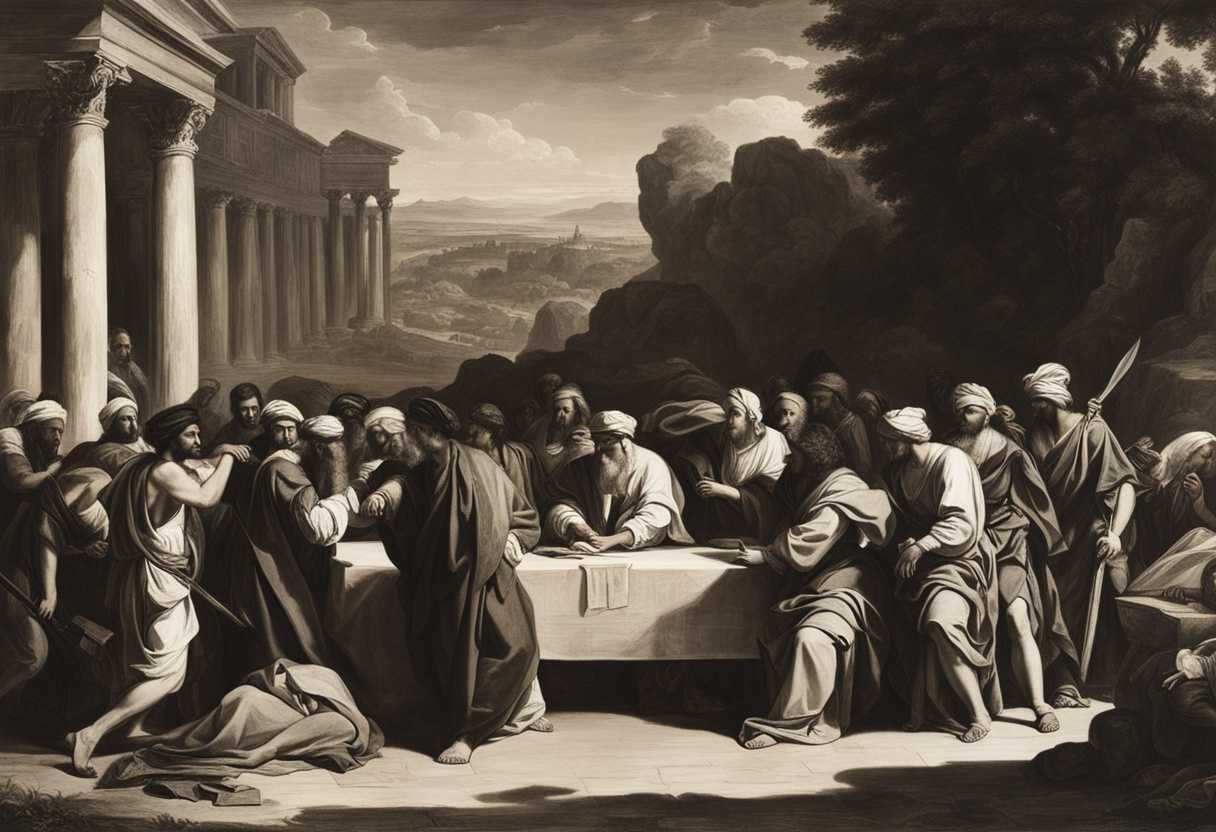
What the Bible Says About Judges: Definition and Role
In the Bible, judges were leaders raised by God to deliver the Israelites from oppression and to govern them, primarily during the period between Joshua’s death and the establishment of the monarchy. The Book of Judges records the stories of these leaders, emphasizing their role in guiding the people back to faithfulness after periods of…
-

What the Bible Says About the Head of Household
In the Bible, the head of household typically refers to the male leader and provider of the family, often seen as responsible for the spiritual and moral guidance of the household, as exemplified in passages like Ephesians 5:23. This role encompasses leadership, protection, and care for family members, reflecting a structure of authority meant to…
-

What the Bible Says About Chiding: Understanding Its Definition and Context
In the Bible, “chide” generally means to scold or reproach, often in the context of correcting or admonishing someone for their behavior. It conveys a sense of urging repentance or a change in conduct, as seen in passages where God or a spokesperson addresses wrongdoing. Scripture 11 My son, do not despise the Lord’s discipline…
-

What the Bible Says About Acknowledgment and Its Definition
In the Bible, “acknowledge” often refers to recognizing and accepting God’s sovereignty, truth, or moral authority. It can also mean to confess or affirm one’s relationship with God, as seen in Proverbs 3:6, which encourages believers to acknowledge the Lord in all their ways. Scripture 5 Trust in the Lord with all your heart, and…
-

What the Bible Says About the Treacherous: A Definition and Exploration
In the Bible, “treacherous” refers to someone who is deceitful, untrustworthy, or betrays others, often associated with actions that lead to harm or destruction (see Proverbs 11:3). It reflects a breach of loyalty and faithfulness, particularly in relationships or covenants. Scripture 6 The Lord said to me in the days of King Josiah: “Have you…
-

What the Bible Says About Pharmakeia: Understanding Its Definition and Implications
In the Bible, “pharmakeia” (from the Greek word often translated as “sorcery” or “witchcraft”) refers to the use of potions, drugs, or enchantments, often associated with idolatry and practices contrary to God’s teachings. It appears in Galatians 5:20, where it is listed among the works of the flesh, signifying its negative connotation and moral implications.…
-

What the Bible Says About Corruption: A Definition and Understanding
In the Bible, “corrupt” typically refers to moral decay or the act of perverting one’s integrity, often associated with sinfulness and wrongdoing (e.g., Genesis 6:11-12). It signifies a state where one strays from righteousness and truth, leading to spiritual and social decay. Scripture 11 Now the earth was corrupt in God’s sight, and the earth…
-

What the Bible Says About the Meaning of Beards
In the Bible, beards symbolize maturity, wisdom, and honor. They are often associated with cultural identity and the duties of manhood; for instance, Leviticus 19:27 commands not to shave the corners of the beard, reflecting a covenantal and cultural importance in ancient Israel. Scripture 27 You shall not round off the hair on your temples…