
Category: Doctrines and Beliefs
-

What the Bible Says About Compromise: Understanding Its Meaning and Implications
In the Bible, compromise often refers to the concession of one’s principles or faith, seen as detrimental to one’s relationship with God. It can lead to moral and spiritual decline, as illustrated in stories where faithful individuals or communities wavered in their beliefs to appease worldly influences or pressures (e.g., the Israelites compromising with surrounding…
-
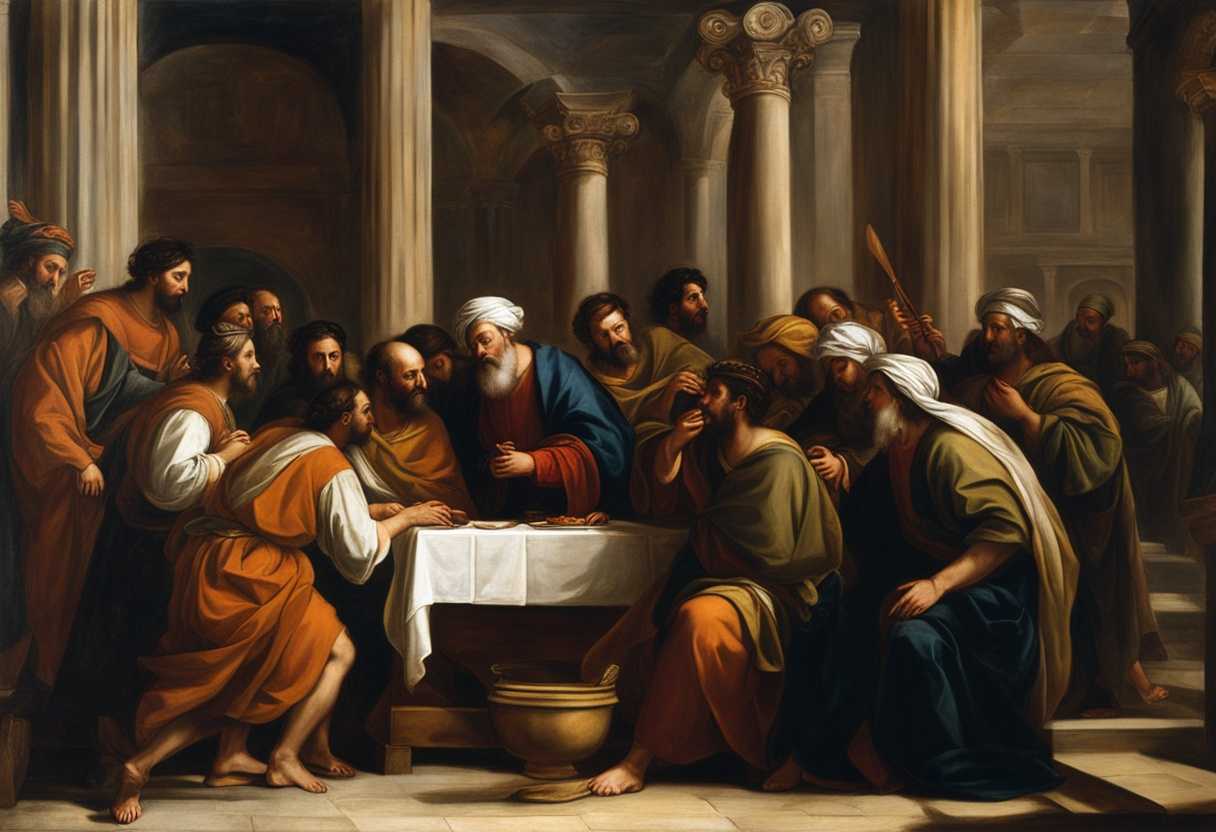
What the Bible Says About Herodians: Definition and Significance
The Herodians were a political group mentioned in the New Testament, closely associated with King Herod and supportive of his rule, often opposing Jesus and the early Christians. They are depicted as collaborating with the Pharisees to conspire against Jesus, particularly in the Gospels of Mark and Matthew. Scripture 15 Then the Pharisees went and…
-

What the Bible Says About Bondage: Understanding Its Meaning
In the Bible, “bondage” refers to a state of being enslaved or in captivity, often symbolizing spiritual or moral oppression, as seen in the Israelites’ enslavement in Egypt (Exodus 1:14) and the New Testament’s reference to sin as a form of bondage (John 8:34). It underscores the need for redemption and liberation through faith and…
-

What the Bible Says About the Meaning of a Teacher
In the Bible, a “teacher” is often someone who imparts knowledge and wisdom, particularly in spiritual matters, guiding people in understanding God’s laws and truths (James 3:1). Jesus Himself is frequently referred to as a teacher, emphasizing the role of educating others in the ways of God (Matthew 23:8). Scripture 1 Not many of you…
-

What the Bible Says About Tradition: Understanding Its Definition and Significance
In the Bible, tradition often refers to the teachings or practices handed down from one generation to another, which can be either beneficial or detrimental. For instance, in Mark 7:8-9, Jesus critiques the Pharisees for elevating human traditions above God’s commandments. Scripture 1 Then Pharisees and scribes came to Jesus from Jerusalem and said, 2…
-

What the Bible Says About Pardon: Understanding Forgiveness in Scripture
In the Bible, “pardon” refers to the act of forgiving someone for their sins or wrongdoings, allowing them to be restored in their relationship with God. It emphasizes God’s mercy and grace, as seen in passages such as Isaiah 55:7, which calls for the wicked to forsake their ways and seek the Lord for pardon.…
-

What the Bible Says About Lustful Desires
In the Bible, lust is often viewed as an intense or inappropriate desire for something, particularly sexual desire that goes beyond the bounds of God’s intentions for relationships (Matthew 5:28). It is considered a sin when it leads to actions contrary to God’s commandments or promotes unfaithfulness (James 1:14-15). Scripture 27 “You have heard that…
-

What the Bible Says About Graven Images: Understanding Their Meaning
A “graven image” in the Bible refers to a carved or sculpted representation of a deity or idol, which is often condemned as a violation of the commandment to worship only the true God (Exodus 20:4-5). It symbolizes misplaced faith and can lead people away from true worship. Scripture 4 “You shall not make for…
-

What the Bible Says About the Nazarite: Definition and Significance
The Nazarite vow, as described in Numbers 6:1-21, involves a commitment to abstain from certain activities, including consuming wine and cutting hair, as a sign of consecration to God. It represents a period of separation and dedication, often associated with spiritual purity and devotion. Scripture 1 And the Lord spoke to Moses, saying, 2 “Speak…
-

What the Bible Says About Affection: Understanding Its Meaning
In the Bible, affection is often associated with love, compassion, and a deep emotional connection, as seen in verses like Colossians 3:2, which encourages believers to set their minds on things above and to embrace love deeply. Affection can also reflect the intimate bonds of family and friendship, underscoring the importance of caring for one…