
Category: Doctrines and Beliefs
-

What the Bible Says About “Which Was, Which Is”
In the Bible, “which was, which is” refers to the eternal nature of God, emphasizing His presence throughout history and existence. Specifically, it highlights God’s unchanging character and sovereignty over time, as seen in Revelation 1:8, where He is described as the Alpha and Omega. Scripture 4 John to the seven churches that are in…
-

What the Bible Says About Marriage and Multiple Wives
In the Bible, marriage is defined as a sacred union between one man and one woman, intended for companionship and procreation (Genesis 2:24). Polygamy, while practiced by some biblical figures, often led to familial strife and is not presented as God’s ideal for relationships (1 Timothy 3:2). Scripture 18 Then the Lord God said, “It…
-
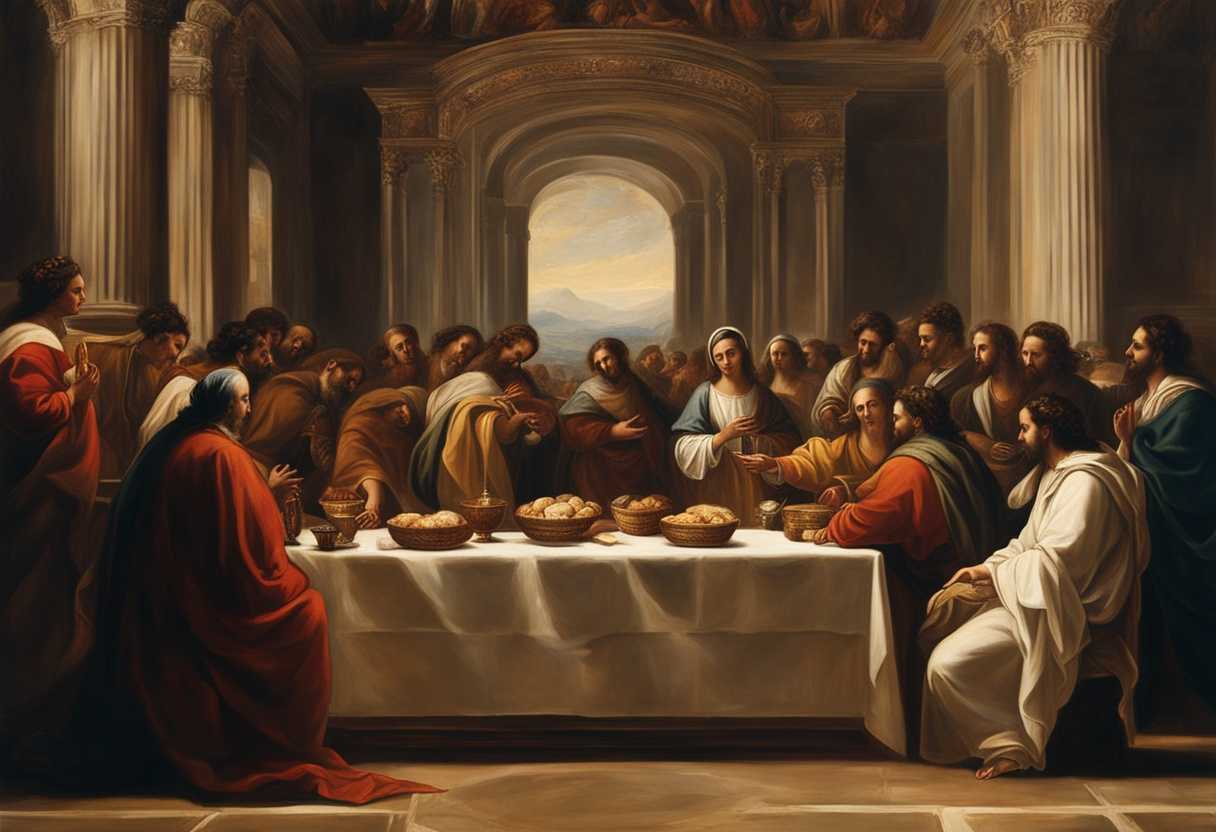
What the Bible Says About Communion as a Means of Grace
Communion, often referred to as the Lord’s Supper, symbolizes the grace of God as believers partake in the body and blood of Christ, representing His sacrifice for the forgiveness of sins (1 Corinthians 11:24-25). It serves as a means of grace, nurturing spiritual connection and unity among believers while remembering the transformative power of Christ’s…
-

What the Bible Says About the Definition of a Real Man
In the Bible, a real man is often characterized by traits such as integrity, humility, and the ability to lead and protect his family, as seen in Proverbs 20:7, which describes a righteous man as one who walks in integrity. Additionally, a real man demonstrates love, sacrifice, and responsibility, reflecting the qualities of Christ in…
-
What the Bible Says About Diversity in the Kingdom Community
In the Bible, diversity in community reflects the inclusion of different races, cultures, and backgrounds, as seen in passages like Revelation 7:9, which describes a great multitude from every nation, tribe, and language standing before the throne of God. This diversity is celebrated as part of God’s design, promoting unity and love among believers, as…
-

What the Bible Says About Good Will: A Definition and Exploration
In the Bible, goodwill can be understood as a disposition of kindness and favor towards others, reflecting the love and grace of God. It embodies the spirit of generosity and a willingness to promote the well-being of others, as seen in passages such as Ephesians 4:32, which encourages believers to be kind and compassionate. Scripture…
-

What the Bible Says About Manslayer: Definition and Context
In the Bible, a manslayer refers to an individual who unintentionally causes the death of another person. This term is often associated with the cities of refuge established in the Old Testament, where such individuals could find asylum to avoid retribution (Numbers 35:11-15). Scripture 9 And the Lord spoke to Moses, saying, 10 “Speak to…
-

What the Bible Says About Rebels: Understanding the Definition and Consequences
In the Bible, a rebel is often seen as someone who opposes authority, particularly God’s commands, and acts in defiance of moral or divine law. For example, in 1 Samuel 15:23, rebellion is equated with the sin of witchcraft, illustrating the seriousness of turning away from God’s will. Scripture 2 Hear, O heavens, and give…
-

What the Bible Says About Sound Judgment
In the Bible, sound judgment refers to the ability to make wise and discerning decisions in accordance with God’s principles and teachings. It is often associated with wisdom, understanding, and the fear of the Lord, as seen in Proverbs 2:6, which states that “the Lord gives wisdom; from his mouth come knowledge and understanding.” Scripture…
-

What the Bible Says About Being Cast Away
In a biblical context, “cast away” often refers to being rejected or forsaken, as seen in passages like Jeremiah 6:30, where God describes people as “reprobate silver.” It conveys a sense of being deemed worthless due to disobedience or failure to uphold God’s commands. Scripture 9 you whom I took from the ends of the…