
Category: Definitions
-

What the Bible Says About Languish: Understanding Its Meaning and Implications
In the Bible, “languish” often refers to a state of weakness, suffering, or declining in strength due to despair or distress. It signifies a deep emotional or spiritual decline, as seen in passages like Psalm 102:4, where the psalmist expresses feelings of fading away or losing vitality amidst hardship. Scripture 4 The earth mourns and…
-

What the Bible Says About Blood Rituals: Meaning and Power in the Hebrew Text
In the Hebrew Bible, blood rituals symbolize purification, atonement, and covenant, underscoring the gravity of sin and the need for sacrifice to restore relationship with God. The blood of sacrifices is seen as a medium through which the faithful seek redemption and divine protection, illustrating the sanctity of life and the seriousness of transgression (e.g.,…
-
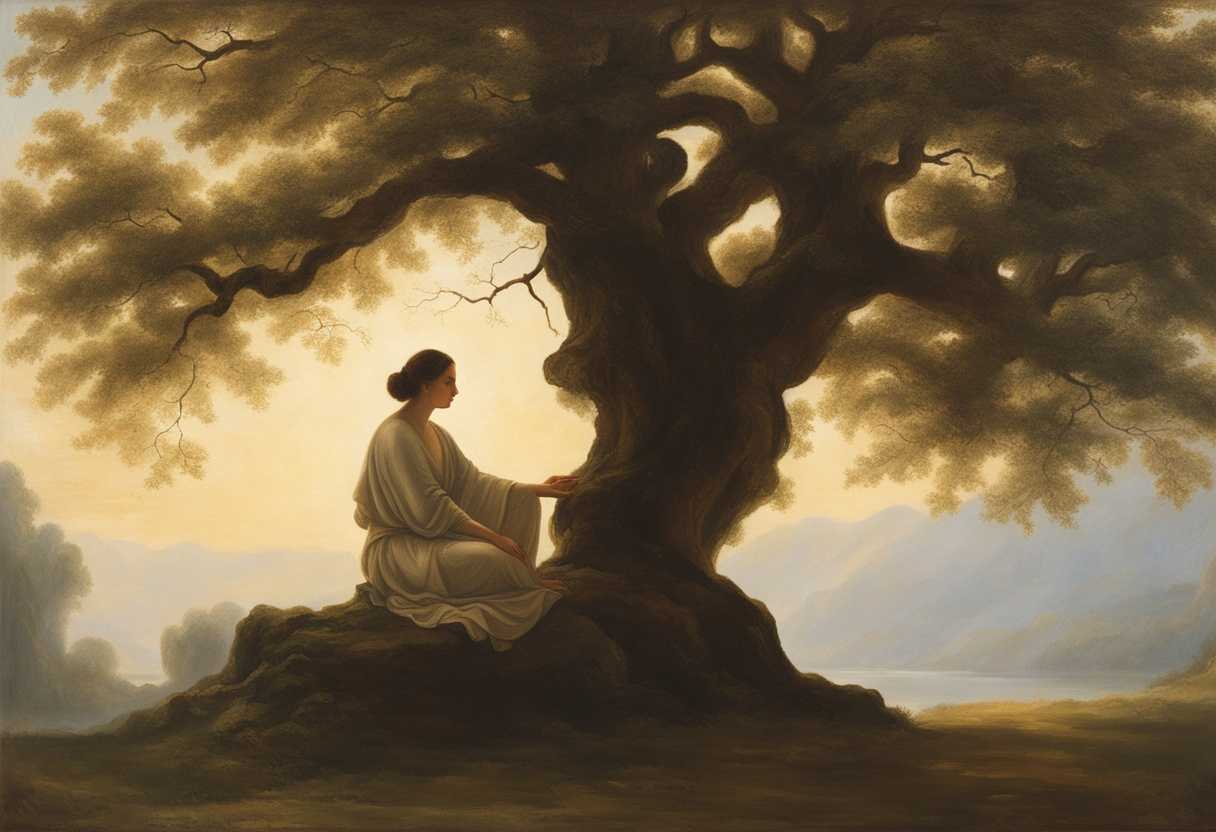
What the Bible Says About the Meaning of Musing
In the Bible, “musing” refers to deep contemplation or reflection, often associated with pondering God’s laws or thoughts. For example, Psalm 1:2 mentions meditating on God’s law day and night, which aligns with the concept of musing in a spiritual context. Scripture 1 Blessed is the man who walks not in the counsel of the…
-

What the Bible Says About the Meaning of “Alas”
In the Bible, “alas” is an exclamation used to express grief, sorrow, or lamentation. It often indicates a sense of distress or mourning over a difficult situation or judgment, as seen in various prophetic texts. Scripture 4 Ah, sinful nation, a people laden with iniquity, offspring of evildoers, children who deal corruptly! They have forsaken…
-

What the Bible Says About the Meaning of Qohelet
Qohelet is a Hebrew term often translated as “Preacher” or “Teacher” and is traditionally associated with the author of the Book of Ecclesiastes. It reflects a voice that explores the meaning of life, the futility of human endeavors, and the search for wisdom amidst the transience of existence. Scripture 1 The words of the Preacher,…
-

What the Bible Says About “A House Divided Cannot Stand”
The phrase “a house divided against itself cannot stand” comes from Mark 3:25 in the Bible, where Jesus emphasizes that internal conflict or division leads to destruction. It signifies that unity and cohesion are essential for any group or individual to thrive. Scripture 22 Then a demon-oppressed man who was blind and mute was brought…
-

What the Bible Says About the Meaning of Song
In the Bible, songs often serve as expressions of worship, praise, and lament, reflecting the emotional and spiritual state of individuals or the community. Examples include the Song of Moses (Exodus 15) and the Psalms, which articulate feelings of joy, sorrow, and devotion to God. Scripture 1 Then Moses and the people of Israel sang…
-

What the Bible Says About the Meaning of “Buried a Pearl”
The phrase “buried a pearl” does not have a direct biblical reference, but it may evoke the parable of the hidden treasure in Matthew 13:44, which describes the Kingdom of Heaven as a treasure hidden in a field. In this context, valuing and seeking after spiritual truths can be seen as akin to finding and…
-

What the Bible Says About the Woman Folly
In the Bible, particularly in the book of Proverbs, “the woman folly” symbolizes a personification of foolishness that simultaneously attracts and leads others astray, contrasting with the wisdom represented by Lady Wisdom. She is described as seductive and loud, enticing individuals to make unwise choices and ultimately facing destruction. Scripture 13 The woman Folly is…
-
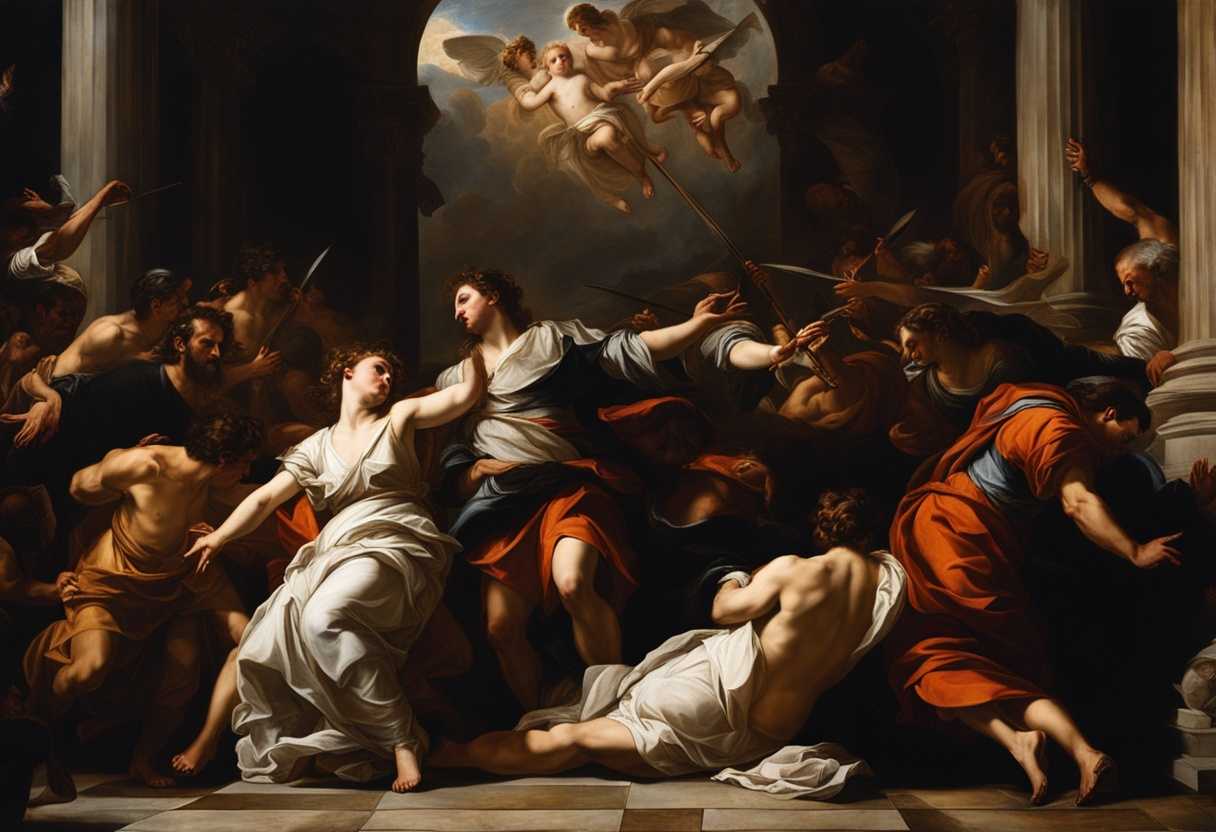
What the Bible Says About Redemption in Pulp Fiction
In “Pulp Fiction,” the quote often referenced is Ezekiel 25:17, which speaks to divine retribution and the protection of the righteous while punishing the wicked. Its meaning emphasizes themes of vengeance, justice, and the moral complexity found in the battle between good and evil. Scripture 17 I will execute great vengeance on them with wrathful…