
Category: Definitions
-
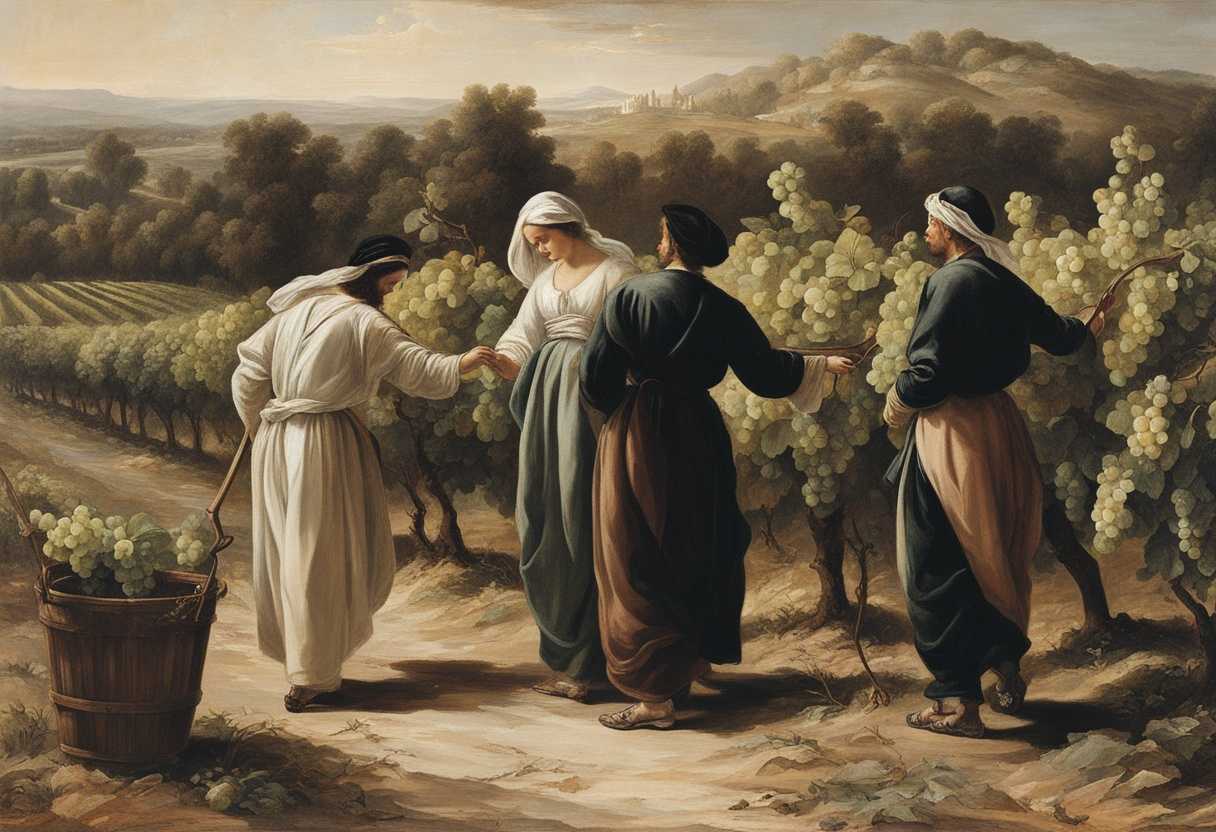
What the Bible Says About Vinedressers: Understanding Their Role in Scripture
In the KJV Bible, “vinedressers” refers to those who tend to vineyards, caring for the vines and grapes. This term often symbolizes the responsibility of stewardship and cultivation in spiritual contexts, as seen in parables like the one in Matthew 21:33-41. Scripture 1 The Spirit of the Lord God is upon me, because the Lord…
-

What the Bible Says About Insolence: Understanding Its Definition and Implications
Insolent in the Bible refers to someone who displays arrogance, disrespect, or scorn, particularly towards authority or divine commands. This attitude is often condemned as it contradicts the principles of humility and reverence found in Scripture, such as in Proverbs 21:24, which describes the insolent as “scoffers” who bring trouble upon themselves. Scripture 24 “Scoffer”…
-

What the Bible Says About the Sanhedrin: Pronunciation and Meaning Explained
The Sanhedrin, pronounced san-HEE-drin, refers to the assembly or council of Jewish leaders, including priests and elders, responsible for religious and legal authority during the Second Temple period (Matthew 26:57). It played a crucial role in the Jewish judiciary system and was involved in significant decisions, including the trial of Jesus. Scripture 57 Then those…
-

What the Bible Says About Revolution: Understanding Its Meaning
The term “revolution” is not explicitly defined in the Bible, but it can be associated with themes of significant change, upheaval, or transformation in societal or spiritual contexts. Biblical narratives often depict revolutions in the form of God’s intervention, the overthrow of oppressors, or the establishment of God’s kingdom, such as in the stories of…
-

What the Bible Says About the Name Zachary
Yes, Zachary is a biblical name, often associated with the figure Zechariah, a priest mentioned in the New Testament who is the father of John the Baptist (Luke 1:5-23). The name itself means “Yahweh has remembered” in Hebrew. Scripture 1 “In the eighth month, in the second year of Darius, the word of the Lord…
-
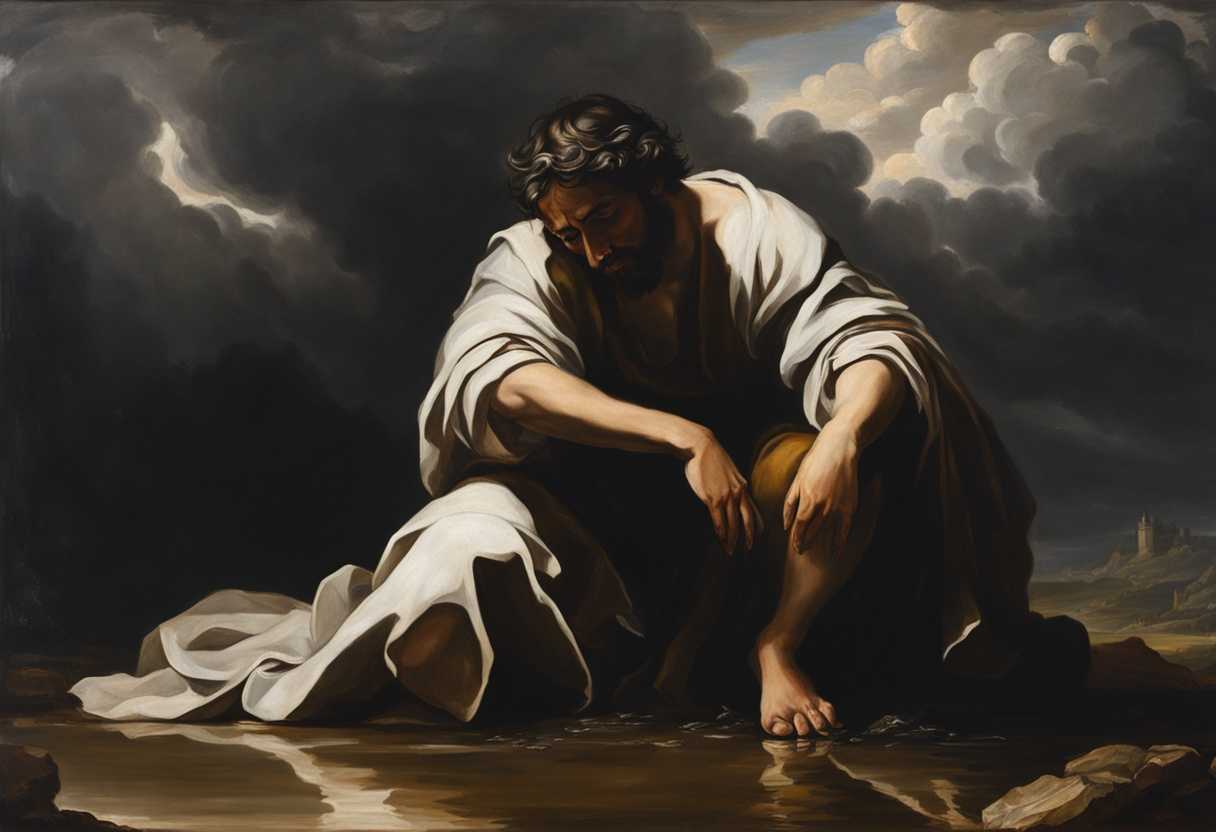
What the Bible Says About the Meaning of Mire
In the Bible, “mire” refers to a muddy or swampy area, symbolizing distress or a situation of being trapped and in trouble. It often represents spiritual or emotional struggles, as seen in Psalms 69:2, where the psalmist describes being overwhelmed and seeking deliverance from God’s saving hand. Scripture 1 I waited patiently for the Lord;…
-

What the Bible Says About the Meaning of Martha in Hebrew
The name “Martha” in Hebrew (מַרְתָּא) means “lady” or “mistress.” It signifies a position of honor and respect, often associated with hospitality and service, as seen in the biblical account of Martha in the New Testament. Scripture 38 Now as they went on their way, Jesus entered a village. And a woman named Martha welcomed…
-

What the Bible Says About the Meaning of “Compel”
In the Bible, “compel” generally refers to the act of urging or forcing someone to act, often with a sense of strong influence or necessity. It appears in contexts such as the call to follow God’s will or in the parable of the Great Feast, where servants are instructed to compel guests to come (Luke…
-

What the Bible Says About the Meaning of Zach
In the Bible, “Zach” is often a shortened form of “Zachariah” or “Zechariah,” which means “the Lord has remembered” in Hebrew. Several figures named Zechariah appear in the Scriptures, including a prophet and the father of John the Baptist. Scripture 5 In the days of Herod, king of Judea, there was a priest named Zechariah,…
-

What the Bible Says About Kine: Understanding Its Definition and Significance
In the Bible, “kine” is an archaic term used to refer to female cattle or cows. It appears in various contexts, often symbolizing abundance or wealth, particularly in agrarian societies. Scripture 24 And God said, “Let the earth bring forth living creatures according to their kinds—livestock and creeping things and beasts of the earth according…